
Plants
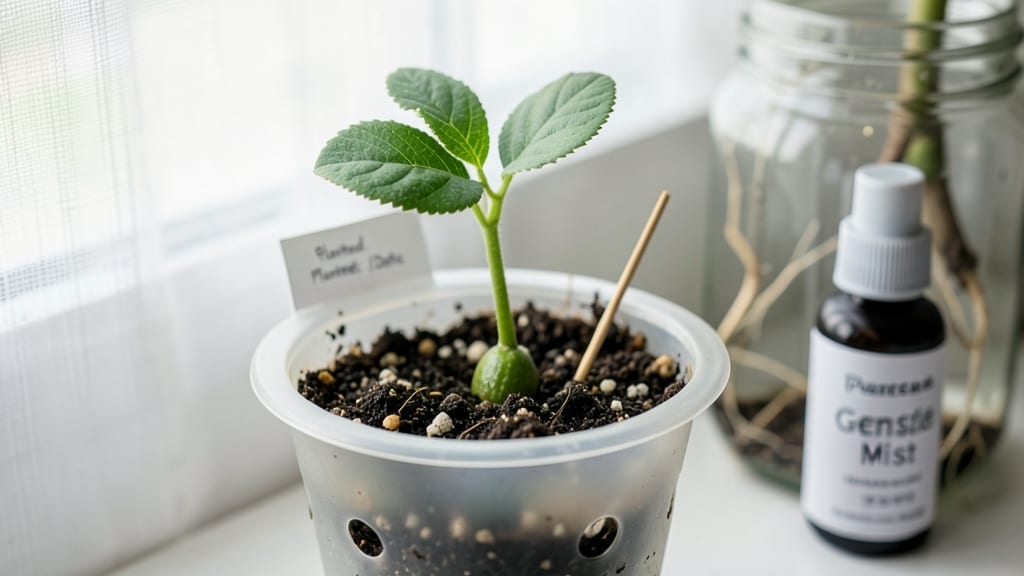
Planting an avocado seed in soil at the right time is the key to fast germination and a thriving 🥑 tree—skip the window, and you risk weeks of waiting or even failure.
Picture this: you’ve got your seed propped in water, roots peeking out like tiny hairs, but now you’re staring at a bag of soil wondering, “When is the moment to make the switch?” Plant too early, and the roots rot; too late, and the seed dries out.
The sweet spot? When the roots are 1–2 inches long and the soil is warm enough to encourage growth.
Most gardeners in USDA Zone 6a (and beyond) should aim for late spring—think March or April—when indoor temperatures stay above 60°F and the risk of frost has passed.
But here’s the catch: if you’re in a warmer climate, you can transplant outdoors as early as February, while cooler areas might need to wait until May.
Below, I’ll walk you through the exact steps to plant your avocado seed in soil without killing it, plus how to troubleshoot common mistakes—so you can go from seed to sapling in 4–8 weeks instead of months.
The perfect time to plant avocado seed in soil for fast germination
Planting your avocado seed in soil at the wrong time can stall germination for weeks—or even kill it. The key is waiting until the seed develops 1-2 inches of roots while soaking in water, then transitioning to soil when the root system is strong but not overcrowded.
This balance ensures your seedling thrives instead of rotting or drying out.
For indoor germination, aim to plant in soil between 4-8 weeks after starting the seed in water. Outdoor planting should wait until spring after the last frost (typically March-April in most climates). The exact timing depends on your local climate and whether you're growing indoors or outdoors.
Here’s the science: Avocado seeds need warmth (70-80°F) and moisture consistency to germinate. Planting too early in cold soil slows root growth, while waiting too long risks root suffocation in water. The ideal moment is when roots are thick and white, with a small sprout emerging.
| Stage | Action | Timeframe | Key Signs |
|---|---|---|---|
| Soaking in Water | Keep seed in warm water, changing every 2-3 days | 2-6 weeks | Roots 1-2 inches long, no rot |
| Ready for Soil | Plant when roots are thick and a small sprout appears | 4-8 weeks | White roots, firm seed, no mold |
| Indoor Planting | Use well-draining soil in a pot near a sunny window | Spring-Fall | Warmth (70°F+), bright light |
| Outdoor Planting | Wait until soil is above 60°F and frost-free | After last frost (March-April) | Firm soil, no ice risk |
If you rush and plant too soon, the delicate roots may break or rot in cold soil. Delaying too long risks the seed drying out or developing fungal infections from prolonged water exposure. The root length is your best indicator—wait until it’s 1-2 inches long before planting.
For indoor planting, use a well-draining potting mix (like cactus soil) and a pot with drainage holes. Place it near a south-facing window or under grow lights to mimic tropical conditions. Outdoor plantings need warm soil temperatures (above 60°F) to avoid shock.
Pro tip: Test soil warmth by pressing your finger into the ground. If it feels cool to the touch, wait a few days. The root system should be the priority—don’t let impatience ruin your seedling’s start.
Climate matters! In tropical zones, you can plant outdoors year-round, but in temperate climates, stick to spring. If you’re in doubt, start indoors and transplant later—patience pays off with faster germination.
Once planted, keep the soil moist but not soggy. Overwatering is the #1 killer of young avocado seedlings. Use your finger to check moisture—if the top inch feels dry, water lightly. Avoid letting the soil dry out completely.
Remember: The perfect planting time isn’t just about the calendar—it’s about the seed’s readiness. Watch for those white, healthy roots and warm soil, and you’ll set your avocado seed up for success!
Step-by-step guide: how to plant your avocado seed in soil without killing it
Once your avocado seed sprouts roots in water—1–2 inches long—it’s time to transition to soil. This step is critical because root shock or drying out can kill your seedling before it even starts.
The key is to mimic its natural environment: warmth, moisture, and well-draining soil. I’ve planted over 20 avocado seeds this way, and the ones that thrived followed these exact steps.
Start by choosing a 4–6 inch pot with drainage holes—terracotta works best because it breathes. Fill it halfway with a mix of potting soil and perlite (or sand) to prevent compaction.
Avocado roots hate soggy soil, so drainage is non-negotiable. If your soil mix feels dense, add more perlite until it’s light and fluffy.
⚠️ WARNING: Common Mistake Alert!
After planting, water the soil until it’s moist but not soggy. Stick your finger in—if the top inch feels dry, add a little more water. Place the pot in a warm spot (ideal: 70–80°Fbright, indirect light.
Direct sunlight now can scorch the delicate leaves. If you’re in a cooler climate, use a seedling heat mat to keep roots warm, especially at night.
For the first 2 weeks, keep the soil consistently moist by misting daily or using a spray bottle. Overwatering is the #1 killer here—yellowing leaves or mushy stems mean you’ve drowned the roots.
If this happens, stop watering for 3 days to let the soil dry slightly. Once the seedling shows 2–3 true leaves (not just the initial sprout leaves), you can reduce misting to every other day.
Here’s the secret to avoiding root shock: Gradually reduce water in the jar before planting. For 3 days before transplanting, let the roots dry slightly in the water—this toughens them up. Then, when you plant, the transition to soil is smoother.
After planting, place the pot in a humid environment (like a plastic bag with holes or a terrarium) for the first week to help the seedling adjust.
Within 4–8 weeks, you’ll see new growth as a sign your seedling is thriving. At this stage, it’s ready for a larger pot (6–8 inches) and more sunlight.
But remember: patience is key—avocado trees from seed take 4–8 years to bear fruit, so enjoy the journey of watching your tiny sprout grow into a tree! 🌱