
Plants
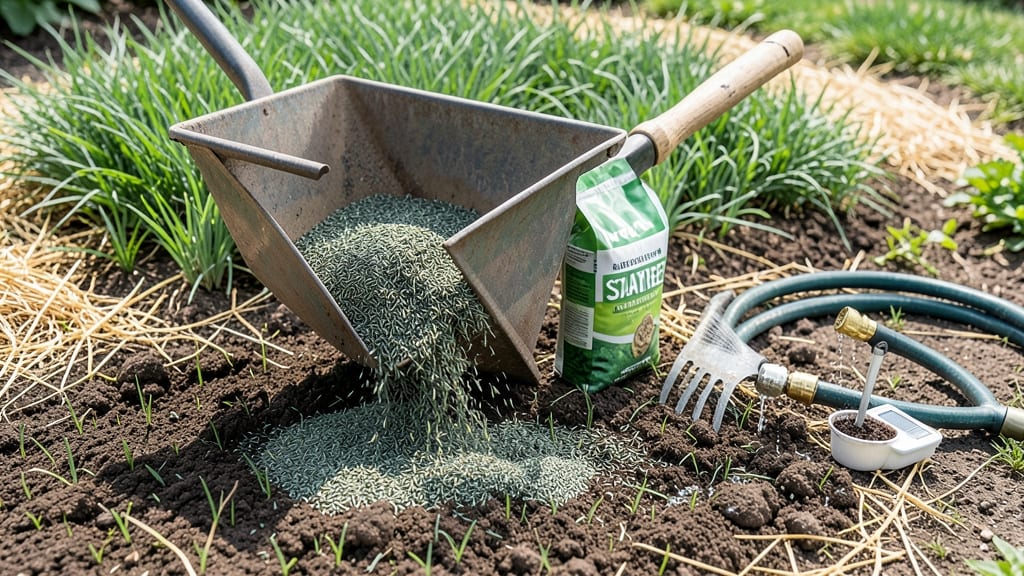
The best time to plant grass seed in Wisconsin is during early spring or early fall, when soil temperatures hover between 50°F and 65°F for consistent germination.
Wisconsin’s unpredictable spring and fall weather can make grass seed planting a gamble—but timing it right means the difference between lush green lawns and patchy disappointment. If you’ve ever stared at a bag of seed wondering when to finally break ground, you’re not alone.
For fast root establishment, focus on planting after the last frost (typically mid-April) or in September before the first frost hits (around mid-October). These windows ensure your grass seed won’t bake in summer heat or freeze before sprouting.
Below, I’ll break down soil temperature tricks, the best grass varieties for Wisconsin’s climate zones, and how to prep your lawn for success—so you can skip the guesswork and get a lawn you’ll actually enjoy.
Wisconsin grass seed planting calendar: best months by soil temperature and climate zones
Wisconsin’s cool-season climate and variable USDA zones 4b–6b make timing critical for grass seed success. Plant too early, and frost will kill tender sprouts. Too late, and summer heat stress stunts root growth.
The ideal soil temperature window for most grass seeds is between 50°F–65°F, where seeds germinate reliably without stress.
Southern Wisconsin (zones 5a–6b) enjoys slightly longer growing seasons, while northern areas (zones 4b–5a) face earlier frosts. My strategy? Focus on early spring (March–April) and early fall (September–October) planting, with adjustments based on your microclimate.
Let’s break down the exact deadlines and soil conditions to aim for.
📅 Key Deadlines by Zone:
- Southern WI (5a–6b): Last frost April 15–May 1 → Plant by March 15–April 15 (spring) or September 1–October 15 (fall).
- Northern WI (4b–5a): Last frost May 1–May 15 → Plant by March 1–April 1 (spring) or August 15–September 15 (fall).
Spring planting in Wisconsin starts as soon as soil temperatures consistently stay above 50°F for at least 5 days. Use a soil thermometer to check—most hardware stores sell them for under $10.
In northern zones (4b–5a), this often means waiting until late March or early April, while southern areas can start as early as mid-March.
Fall planting is my favorite strategy because cooler air temperatures reduce weed competition and give grass roots time to establish before winter. Aim to plant 6–8 weeks before your first frost date.
For zone 5a–6b, that’s typically September 1–October 15; in zone 4b–5a, shift to August 15–September 15 to avoid early snows.
If you miss the ideal window, don’t panic—but act fast. Late spring planting (May) is risky due to summer drought, but if you must, choose drought-tolerant varieties like tall fescue and water deeply 2x daily for the first 2 weeks. Late fall planting (November) is a no-go; seeds won’t germinate in cold soil, and frost will damage them.
Pro tip: Test your soil’s moisture before planting. Stick your finger 2 inches deep—if it feels dry, water until moisture reaches 4–6 inches down. Overwatering in spring causes seed rot, while underwatering in fall leads to weak root systems.
Aim for 1 inch of water per week, either from rain or irrigation.
Microclimates matter! Lawns near lakes or large trees stay cooler longer, extending your planting window by 2–3 weeks. Conversely, south-facing slopes warm up faster in spring, allowing earlier planting. Observe your yard’s patterns for 2–3 years to refine your schedule.
Remember: Grass seed needs 14–21 days to germinate in ideal conditions. If you plant too close to frost (within 3 weeks), young shoots will brown and die. Use a lightweight straw mulch (not hay—it contains weed seeds) to insulate seeds and retain moisture during germination.
For fastest results, combine proper timing with soil prep: till the top 4 inches, remove debris, and add compost or peat moss to improve drainage.
Then, plant in lightly raked furrows (1/4-inch deep) and cover with 1/8-inch of soil. Keep the area moist but not soggy until germination.
Timing your grass seed planting in Wisconsin boils down to soil temperature + frost dates. Use the table above as your guide, adjust for your microclimate, and you’ll be rewarded with a thick, green lawn that outcompetes weeds from day one. Happy
Soil temperature secrets: how to test and adjust for faster grass root growth
Soil temperature is the hidden factor that determines whether your grass seed will sprout in days or weeks—or fail entirely. In Wisconsin, where spring can swing between 32°F and 70°F in a single week, knowing the right temperature window is critical.
Grass seed typically germinates best when soil stays between 50°F and 65°F, but cooler or warmer conditions can stall growth or invite disease.
Before you rush to plant, grab a soil thermometer (they’re cheap and game-changing). Stick it 2 inches deep—this is where grass roots will first establish. Check readings at 10 AM when soil is warmest, not right after rain or in direct sun, which skews results.
If your thermometer shows below 50°F, your seed may sit dormant for weeks, while above 70°F can cause seeds to dry out or rot.
If your soil is stubbornly cold, don’t panic—there are quick fixes. Lay down a straw mulch layer (not hay, which contains weed seeds) to insulate the soil and trap warmth. A 1-inch layer can raise soil temps by 5–10°F in just a few days.
For shady spots, use black plastic mulch to absorb sunlight and accelerate warming. Just remember to remove it once seeds sprout to avoid smothering young grass.
On the flip side, if your soil is too hot (common in late spring or summer), plant in the early morning or late afternoon when temps drop. Water deeply before planting to cool the soil, and avoid working the ground when it’s dry and crusty.
Grass seed needs consistent moisture to germinate, so plan to water lightly twice daily until sprouts appear.
For slow-starting zones (like northern Wisconsin), try pre-warmed soil hacks. Spread a dark-colored landscape fabric over bare soil a week before planting to absorb heat. You can also use row covers or even a clear plastic tunnel to create a mini greenhouse effect.
Just monitor temps closely—above 75°F can scorch seeds.
Once your grass is up, keep an eye on soil temps to avoid shock or dormancy. If a late frost threatens, cover seedlings with frost cloth until temps rise.
And if summer heat arrives, reduce watering frequency but increase depth to 1–1.5 inches per week—this keeps roots cool and encourages deeper growth. With these tricks, you’ll turn Wisconsin’s unpredictable climate into an advantage for a thicker, greener lawn.