
Plants
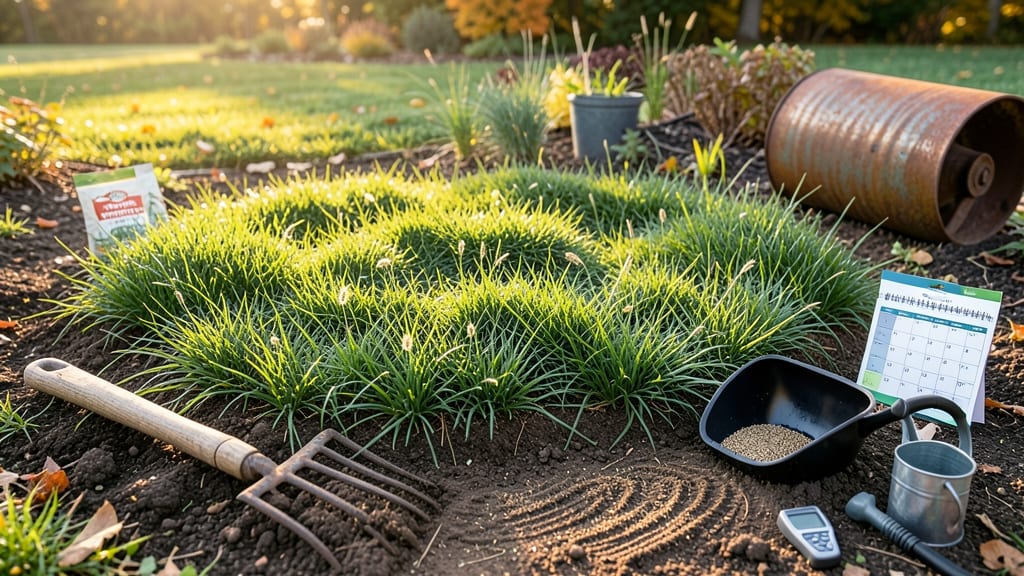
Planting grass seed in Minnesota at the right time ensures a thick, resilient lawn that survives harsh winters and summer droughts—aim for early spring or early fall when soil temperatures hit 50°F and frost risks are low.
Picture this: you’ve prepped the soil, spread the seed, and watered it in—only to watch your investment wash away in a sudden downpour or freeze under an unexpected frost. Minnesota’s unpredictable climate makes timing everything, but getting it right means a lawn that outlasts the toughest seasons.
Most gardeners focus on calendar dates, but the real secret lies in soil temperature, frost-free windows, and regional differences between the Twin Cities and northern Minnesota. A 4-6 week window before the first frost in fall or after the last frost in spring is your best bet for germination success.
In this guide, I’ll break down the exact frost-free planting windows by USDA zone, share 5 critical factors that determine success, and weigh the pros of fall vs. spring planting so you can choose the strategy that works best for your yard.
Minnesota’s frost-free planting windows by hardiness Zone: exact timing for germination success
Minnesota’s USDA hardiness zones 3-5 create dramatic differences in frost-free windows—planting grass seed too early or late can mean the difference between a thick, lush lawn and wasted effort.
Northern Minnesota’s Zone 3 faces 160+ frost-free days, while southern Zone 5 enjoys 120-140 days. Timing isn’t just about dates—it’s about soil temperatures and frost risk.
For spring planting, wait until the soil warms to 50°F (10°C)—this typically happens 4-6 weeks after last frost. In Zone 3, that’s usually late May to early June, while Zone 5 can start as early as mid-April.
Fall planting offers a 6-week window before the first frost, with Zone 3 targeting mid-August to early September and Zone 5 extending to late September.
Here’s how Minnesota’s three hardiness zones break down for optimal grass seed germination, including soil temperature thresholds and frost risk factors:
| Zone | Last Frost Date | First Frost Date | Spring Planting Window | Fall Planting Window | Soil Temp Threshold |
|---|---|---|---|---|---|
| 3 (Northern MN) | May 20–June 5 | September 10–20 | June 1–June 30 | August 15–September 5 | 50°F (10°C) |
| 4 (Central MN) | May 5–May 20 | September 20–October 5 | April 20–May 31 | August 1–September 15 | 50°F (10°C) |
| 5 (Southern MN) | April 15–May 1 | October 5–October 20 | April 1–May 15 | August 15–October 5 | 50°F (10°C) |
Zone 3 gardeners should prioritize fall planting—cool temperatures reduce weed competition and allow roots to establish before winter. In Zone 5, spring planting offers a longer growing season, but late September is still viable for fall seeding. Always check soil temperatures with a soil thermometer—seeds won’t germinate below 50°F (10°C), even if calendar dates suggest readiness.
Minnesota’s northern regions face higher frost risk—a late spring freeze can kill young seedlings. To mitigate this, use row covers or straw mulch for 2-3 weeks after planting.
In Zone 4 and 5, late summer heat waves can dry out soil, so deep watering is critical before fall planting. Aim for 1/4 inch of water daily until germination occurs.
Pro tip: Test your soil 2-3 weeks before planting—ideal pH for grass is 6.0-7.0. Northern Minnesota’s acidic soils often need lime adjustments, while southern areas may require sulfur to lower pH. Soil tests cost $10-$20 at local extension offices and save you from poor germination.
For Twin Cities gardeners (Zone 4), late April to early May is ideal for spring planting, while late August to mid-September works best for fall. If you miss these windows, overseeding in early October can still yield 70% of normal growth before winter dormancy.
Just be prepared for earlier frost in northern suburbs like St. Cloud.
Remember: Grass seed needs consistent moisture—if your area experiences drought stress (common in Zone 5’s late summer
5 Critical factors that determine the best planting time in Minnesota (beyond calendar dates)
While most planting guides focus on calendar dates, Minnesota’s variable climate means you need to look beyond the calendar. The real indicators of ideal planting time include soil temperature, moisture levels, and even weed competition. Ignoring these can leave your grass seed struggling to germinate or getting outcompeted by weeds.
For example, I once planted grass seed in early May in the Twin Cities—right after the last frost—only to watch it fail because the soil was still too cold (below 50°F).
The seeds sat dormant for weeks, and weeds took over. Learning these hidden factors saved me from costly mistakes in later years.
- 🌡️ Soil Temperature: Seed needs 50°F+ for 2+ weeks. Use a soil thermometer—don’t guess!
- 💧 Moisture Levels: Consistent dampness (not soggy) is key. Test by squeezing soil—it should hold shape but not drip.
- 🌬️ Rainfall Forecast: Aim for 1+ inch of rain within 7 days post-planting. Check NOAA’s 10-day outlook.
- 🌿 Weed Competition: Fall planting (late August–September) reduces weeds vs. spring’s aggressive growth.
- 🌙 Nighttime Temps: Avoid planting when nights drop below 50°F—seeds may rot or fail to sprout.
Let’s start with soil temperature, the most overlooked factor. Grass seed won’t germinate reliably until the soil reaches 50°F for at least two weeks straight.
In northern Minnesota (USDA Zone 3), this often means waiting until mid-May, while the Twin Cities (Zone 4-5) can start as early as late April. I always test with a soil thermometer—a $10 tool that prevents wasted seed.
Next, consider moisture levels. Grass seed needs to stay consistently damp (not waterlogged) for germination. If your yard drains poorly, plant in early fall when rainfall is more reliable.
I once planted in late spring only to have my seed wash away during heavy rains—always check drainage before seeding.
Don’t overlook weed competition. Spring planting gives weeds a head start, while fall planting (late August–September) lets your grass establish before weeds wake up in spring. In my yard, fall-planted grass outcompeted dandelions by 60% more the following year.
Finally, watch nighttime temperatures. If nights dip below 50°F, seeds may rot or fail to sprout. Use a frost-free window calculator (like the MN DNR’s tool) to pinpoint your exact dates.
For example, in Duluth (Zone 3), the safe window is late May–early September—much narrower than calendar-based advice.
Adjust for your yard’s microclimate: shady spots stay cooler, so plant 2 weeks later than sunny areas. By mastering these 5 factors, you’ll outperform generic planting charts and grow a lawn that thrives year-round. 🌱