
Plants
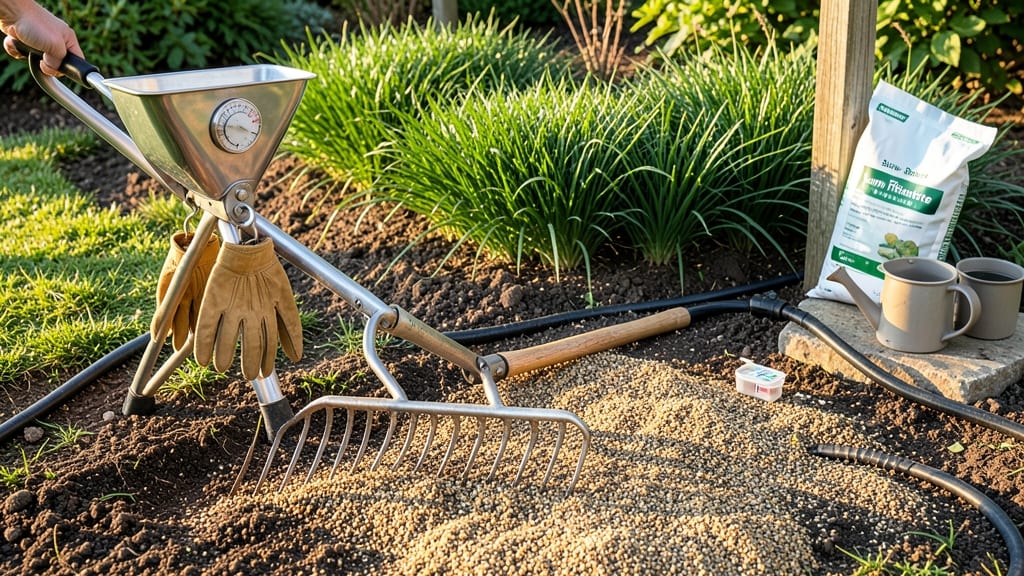
The best time to plant grass seed in Iowa is late summer to early fall or early spring, when soil temperatures hit 50–65°F and frost risks fade.
Iowa’s unpredictable spring and fall weather can make grass seeding a gamble—plant too early and risk frost damage, too late and face summer drought. But timing it right guarantees a lush, weed-resistant lawn that survives the Midwest’s harsh winters.
For 4a–5b zones, fall planting (September–October) often outperforms spring, thanks to cooler temps and fewer weeds. Yet spring (April–May) works too, if you act fast after the last frost—usually by mid-April in most of the state.
Below, I break down the exact soil temp thresholds, frost-free timelines by region, and how to adjust for Iowa’s windy plains or flood-prone areas. No more guesswork—just a lawn that thrives.
Iowa grass seed planting timeline by hardiness Zone (soil temp & frost dates)
Iowa’s USDA Zones 4a-5b create unique challenges for grass seed germination, where soil temperature and frost dates dictate success. Northern Iowa (Zone 4a) faces earlier frosts, while southern Iowa (Zone 5b) enjoys a slightly extended growing window.
The key? Planting when soil reaches 50-65°F and avoiding extreme heat or frost risks.
Cool-season grasses like Kentucky bluegrass and tall fescue dominate Iowa lawns, thriving in fall and spring when temperatures are moderate. Warm-season grasses (like buffalo grass) are rare but prefer late spring planting.
Below, we break down the ideal planting windows by zone, including microclimate adjustments for cities like Des Moines vs. Dubuque.
For northern Iowa (Zones 4a-4b), focus on fall planting (August-September) to avoid spring’s unpredictable weather. Soil temperatures in these zones often drop below 50°F by late October, making late fall seeding risky. Use a soil thermometer to confirm readiness—wait until morning temps consistently stay above 50°F.
In southern Iowa (Zones 5a-5b), you have more flexibility. The extended frost-free season allows for late fall planting (October-November) or even early spring (March) if you’re patient.
However, planting too late in fall risks winterkill, so aim to finish by October 15 in Zone 5a and November 1 in Zone 5b.
Microclimates play a huge role in Iowa. Urban areas like Des Moines (Zone 5a) often experience urban heat islands, delaying frost by 1-2 weeks compared to rural areas.
Conversely, northern Iowa’s corn belt (Zone 4a) can see earlier frosts due to cooler lake effects. Adjust your timeline by 1-2 weeks based on local conditions.
Pro tip: Test your soil temperature at 4-inch depth (where seeds germinate) using a digital soil thermometer. If temps dip below 50°F at night, delay planting. For cool-season grasses, the sweet spot is 55-65°F—this ensures rapid germination without stressing young seedlings.
One common mistake? Planting too early in spring when soil is still cold or too late in fall when frosts loom. In Zone 4a
5 Critical factors that determine the perfect planting window in Iowa
Timing your grass seed planting in Iowa isn’t just about checking a calendar—it’s about reading the soil, weather patterns, and your local microclimate.
While most guides suggest late summer or early spring, Iowa’s wind belts, rainfall variability, and grass seed types demand a more nuanced approach.
For example, Des Moines (Zone 5b) and Sioux City (Zone 4b) may share similar frost dates, but their wind exposure and summer drought risks differ dramatically.
Let’s break down the five game-changers that separate a thriving lawn from a failed investment. These factors will help you adjust your planting window—sometimes by weeks—based on your specific location and grass type.
Whether you’re seeding Kentucky bluegrass or tall fescue, these insights will save you time, money, and frustration.
- Soil Temperature: Aim for 50–65°F—below 50°F, seeds rot; above 75°F, they dry out. Use a soil thermometer in morning shade for accuracy.
- Rainfall Patterns: Iowa’s summer droughts (especially in southwest zones) mean fall planting (September–October) often outperforms spring. Check NOAA’s 30-day forecasts before committing.
- Grass Seed Type: Cool-season grasses (Kentucky bluegrass, fescue) thrive in fall; warm-season (buffalo grass) needs late spring. Mixing types? Plant cool-season first, then warm-season 4–6 weeks later.
- Wind Exposure: Iowa’s corn belt winds (especially in Sioux City) dry out seeds faster. Use windbreaks (straw mulch or temporary fencing) or plant on calm days (wind speeds <10 mph).
- Soil Moisture: Overwatering causes runoff; underwatering leads to crusting. Test moisture by squeezing soil—it should hold together but not be soggy. Morning watering (before 10 AM) maximizes absorption.
For Des Moines, where summers are hotter and drier, I recommend late August to early September for fall planting—this gives seeds time to germinate before October’s first frost.
In contrast, Sioux City’s cooler, windier climate benefits from mid-September to October, when winds ease slightly and soil stays moist longer. Pro tip: If your area faces flash droughts (like western Iowa), delay until you’ve secured 1–1.5 inches of rain within 10 days of planting.
Another critical factor is weed competition. Cool-season grasses planted in fall outcompete weeds before winter, while spring plantings risk crabgrass takeover. If you’re in a high-weed zone (like Ames or Cedar Rapids), apply a pre-emergent herbicide 2 weeks before seeding in spring.
For fall, focus on soil prep: till 4–6 inches deep to bury weed seeds and loosen compacted soil.
Finally, don’t overlook microclimates. A south-facing slope in Zone 5a may warm up faster than a north-facing yard, allowing earlier spring planting. Use a shade thermometer to check temperature variations in your lawn.
In urban areas (like Davenportmid-May, making late spring planting risky for cool-season grasses.
By aligning your planting window with these five factors, you’ll avoid the #1 mistake Iowa gardeners make: planting based on calendar dates instead of local conditions. Start with a soil test (pH 6.0–7.5 is ideal), monitor weekly weather updates, and adjust your timeline accordingly.
Your lawn will thank you with deep roots, dense growth, and year-round resilience. 🌱