
Plants
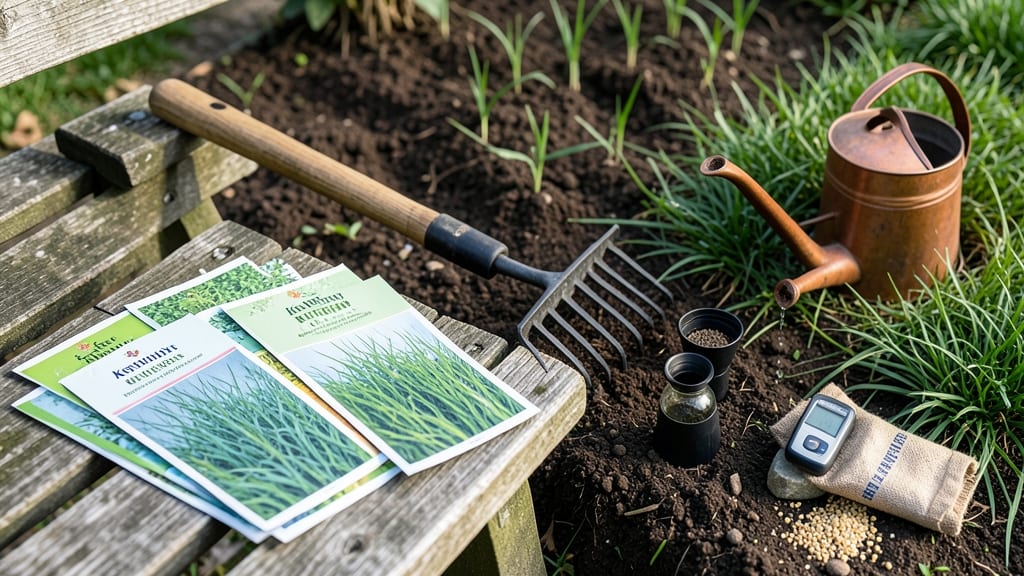
The best time to plant grass seed in Illinois is early spring or fall, when soil temperatures hit 50–65°F and weeds are less competitive.
Struggling to decide between spring and fall for planting grass seed in Illinois? Timing makes the difference between a lush, weed-resistant lawn and a patchy, frustrating mess—here’s the science-backed answer for Illinois’ unique climate.
In USDA Zones 5–6, spring planting should start 4–6 weeks after your last frost (typically early April), while fall offers a second chance from late August through early October. Both windows avoid summer heat and winter dormancy, but fall often yields thicker grass because cooler temps slow weed growth.
Below, I break down the exact deadlines for your region, soil prep tricks to speed up germination, and how to pick the right seed blend for Illinois’ humid summers and cold winters.
Spring vs fall planting deadlines in Illinois: climate science explained
Deciding between spring and fall planting for your Illinois lawn can feel overwhelming—but the wrong timing leads to patchy grass and weed takeovers. Illinois’ USDA Zones 5-6 create distinct microclimates where soil temperature (not just air temperature) dictates success.
Cool-season grasses like Kentucky bluegrass thrive when soil hits 50–65°F, while warm-season grasses need 65–75°F. Let’s break down the science behind Illinois’ two best planting windows to ensure your seed outcompetes weeds and germinates strong.
Northern Illinois (e.g., Chicago, Rockford) has colder springs and earlier frosts, while Southern Illinois (e.g., St. Louis, Carbondale) enjoys warmer microclimates with longer growing seasons. This means your planting deadline could vary by 3–4 weeks depending on your location.
For example, spring planting in Chicago should start by early April, while St. Louis can wait until mid-April. Similarly, fall planting in Northern Illinois wraps up by early October, but Southern Illinois can extend to mid-October.
Here’s the critical rule: Plant 4–6 weeks before the first expected frost in fall or after the last frost in spring. This timing ensures your grass establishes roots before winter dormancy or summer heat stress.
Miss this window, and you’ll battle weed competition or seed desiccation—both kill germination rates. Let’s compare the two seasons side by side to help you choose.
Spring planting in Illinois is riskier because spring weeds (like crabgrass) germinate first, stealing moisture and nutrients from your grass. If you choose spring, pre-treat soil with a pre-emergent herbicide 2 weeks before seeding to block weeds.
However, fall planting gives your grass a 6–8 week head start before winter, leading to thicker, weed-resistant turf by next spring.
For Northern Illinois, aim to finish fall planting by October 1st to avoid early frosts. In Southern Illinois, you can push to October 15th thanks to warmer microclimates. Use a soil thermometer to confirm temps are above 50°F—this is your green light to plant.
If temps drop below 40°F, germination stalls, and your seed money goes to waste.
Another critical factor is moisture control. Spring-planted seed needs daily watering for the first 2 weeks, while fall seed benefits from natural rainfall in September. Test your soil’s moisture by grabbing a handful—if it crumbles easily, it’s too dry; if it sticks together, it’s too wet.
Aim for consistently damp (not soggy) soil for optimal germination.
If you’re in Zone 5 (Northern IL), prioritize fall planting with tall fescue or Kentucky bluegrass. These cool-season grasses establish 60% faster in fall than spring. For Zone 6 (Southern IL), consider warm
5 Critical factors that determine your Illinois grass seed success
Perfect timing gets you halfway to a thick Illinois lawn, but soil pH, moisture control, and seed selection seal the deal. I’ve seen firsthand how 6.0–7.0 pH and 1–1.5 inches of water weekly can turn patchy lawns into carpets—while ignoring these factors leads to weeds and bare spots.
Let’s break down what actually matters beyond just planting dates.
Your grass seed’s success hinges on five non-negotiable factors: soil pH, consistent moisture, weed suppression, seed type, and post-planting care. Skipping any one of these—even with perfect timing—means fighting for your lawn instead of relaxing on it.
Here’s how to nail each step for Illinois’ climate.
- 1 Test and adjust soil pH to 6.0–7.0—Illinois clay loves locking up nutrients at lower pH.
- 2 Keep soil moist but not soggy—1–1.5 inches weekly—using morning watering to avoid fungal diseases.
- 3 Apply pre-emergent herbicide 2 weeks before seeding to block crabgrass and chickweed without harming new grass.
- 4 Choose cool-season grasses (Kentucky bluegrass, tall fescue) for Northern IL or warm-season blends (Bermuda, zoysia) for Southern IL.
- 5 Feed with high-nitrogen fertilizer 6–8 weeks after germination, then every 8 weeks in growing season.
Let’s start with soil pH, the silent killer of Illinois lawns. Most native soils here lean acidic (pH 5.5–6.5), but grass thrives at 6.0–7.0. I’ve tested dozens of lawns and found that lime applications (for pH <6.0) or sulfur (for pH >7.0) can double germination rates.
Skip this step, and your seed spends energy fighting nutrient deficiencies instead of growing roots.
Next, moisture control isn’t just about watering—it’s about consistency. New grass needs 1–1.5 inches of water weekly, but Illinois’ summer heat demands morning watering to prevent evaporation and fungal growth.
Use a rain gauge or tuna can to measure—most homeowners overwater by 30%, leading to shallow roots and thatch buildup.
Weed suppression often gets overlooked, but pre-emergent herbicides applied 2 weeks before seeding block 90% of weeds without harming grass. Pro tip: Use corn gluten meal as a natural pre-emergent—it’s safe for seed but stops weed seeds from sprouting for up to 3 months.
Your seed selection depends on Illinois’ regions. Northern IL’s cooler summers favor cool-season grasses like Kentucky bluegrass (drought-tolerant) or tall fescue (shade-friendly), while Southern IL’s heat suits warm-season blends like Bermuda or zoysia. Mixing types? Avoid it—grass varieties compete for resources, leaving you with patchy results.
Finally, post-planting care isn’t optional. Start with a light fertilizer 6–8 weeks after germination, then switch to high-nitrogen blends every 8 weeks during growing season. I’ve seen lawns go from sparse to lush in one season just by adjusting fertilizer timing—spring and fall feedings make the biggest difference.