
Plants
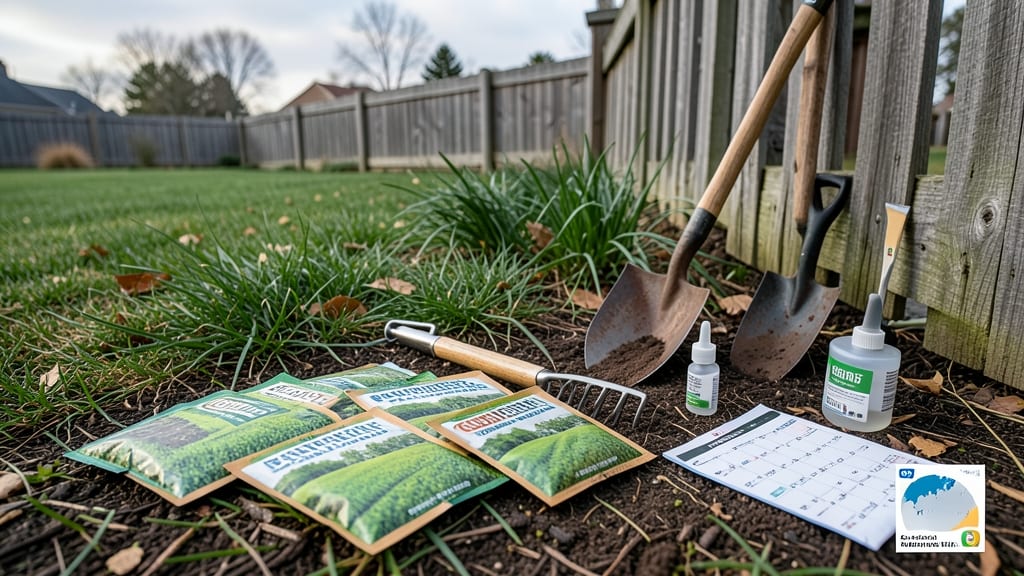
Planting grass seed in Connecticut at the right time means the difference between a lush lawn and a patchy, weed-filled mess.
You’ve spent hours picking the perfect seed blend, only to watch it struggle in the wrong season. Too early, and frost will kill your sprouts. Too late, and summer heat dries out the soil before roots take hold.
The ideal window is narrow, but nailing it guarantees a thick, green lawn by next spring.
Connecticut’s 5b-6b climate gives you two prime chances: early fall (September to mid-October) and late spring (April to mid-May). Each has its own rules—soil temps, rainfall, and even coastal vs. inland microclimates play a role.
Below, I break down the exact deadlines, prep steps, and seed varieties that thrive in your zone.
Skip the guesswork and learn how to time it perfectly, from soil prep to watering schedules, so your grass seed doesn’t end up as a lesson in what not to do.
Connecticut grass seed planting deadlines by season: spring vs fall timeline
Timing your grass seed planting in Connecticut makes all the difference between a thick, vibrant lawn and a patchy disappointment. With USDA zones 6a/6b, your window for success hinges on soil temperatures, frost dates, and even whether you're near the coast or inland.
The two best times—early fall and late spring—offer distinct advantages, but missing the mark can leave your seed vulnerable to drought stress or freezing temperatures.
Fall planting, specifically September through mid-October, is my top recommendation for Connecticut lawns. The cool soil and moderate temperatures create ideal conditions for seed germination, while established roots get a head start before winter.
Spring planting, on the other hand, should happen between early April and mid-May, but it’s riskier due to unpredictable weather and potential late frosts.
Here’s how to navigate Connecticut’s microclimates: Coastal areas like Groton or New London have milder winters, so you might push fall planting into early November. Inland zones like Hartford or Torrington need to plant earlier—late August to early October—to avoid early frosts.
Always check your last frost date (typically April 15) and plant 4-6 weeks before the first frost for fall.
Soil temperature is your secret weapon. Grass seed thrives when soil is between 50°F and 75°F. In Connecticut, this usually means late April to early June for spring or September to early October for fall. Use a soil thermometer to confirm—if temps drop below 50°F, germination slows dramatically.
Now, let’s break down the critical deadlines and what happens if you miss them:
If you plant in fall, aim for 6-8 weeks before the first frost. This gives your grass enough time to establish roots but avoids the stress of winter dormancy. For example, if your frost date is October 20, plant by September 1.
In spring, wait until the soil warms to at least 50°F—usually mid-April or later—and always check for late frost warnings.
One of my biggest mistakes was planting in late May because the weather looked perfect. But a heatwave dried out the soil, and my seed struggled to germinate.
Always monitor weekly forecasts and adjust your timeline if unseasonable weather is predicted. For instance, if a heatwave hits in early September, delay fall planting until temps drop.
For coastal Connecticut, like Stamford or Norwalk, you can push fall planting into early November due to milder winters. Inland areas, however, should stick to late August to early October to avoid early frosts.
If you’re unsure, use a frost date calculator or check with your local Cooperative Extension office for hyper-local advice.
Pro tip: If you’re overseeding an existing lawn, late August to early September is ideal because established grass provides shade and moisture retention for new seedlings. For new lawn
How to prepare your Connecticut lawn for grass seed planting: soil, weather, and pre-treatment checklist
Getting your Connecticut lawn ready for grass seed is half the battle—proper prep ensures strong germination and a thick, vibrant lawn. Connecticut’s cool-season climate demands precise soil conditions and timing to outpace weeds and drought.
Start by testing your soil pH (ideal: 6.0–7.0) and clearing debris, which prevents mold and uneven seed contact.
Next, choose the right grass seed blend for your lawn’s sun exposure—tall fescue thrives in full sun, while fine fescue excels in shade. Avoid planting during extreme heat or frost, as seeds need consistent moisture and moderate temps (50–75°F) to sprout.
Connecticut’s microclimates (coastal vs. inland) also affect timing, so adjust for local frost dates.
Step-by-Step Prep for Connecticut Lawns
-
Test Soil pH
Use a soil test kit (available at garden centers) to check pH. Aim for 6.0–7.0—amend with lime (to raise pH) or sulfur (to lower it) if needed. -
Remove Debris
Clear rocks, sticks, and thatch with a lawn rake or dethatching tool. Focus on areas with bare patches or thick weeds. -
Loosen Soil
Use a garden rake or aerator to break up compacted soil. This helps seeds make direct contact with soil and roots. -
Choose Seed Blend
Pick a mix suited to your lawn’s sun/shade:- Full Sun: Tall fescue + Kentucky bluegrass
- Partial Shade: Fine fescue + perennial ryegrass
-
Apply Starter Fertilizer
Spread a low-nitrogen starter fertilizer (10-10-10) to encourage root growth. Avoid over-fertilizing, which can burn seeds. -
Plant at Right Depth
Lightly rake soil to create a 1/4-inch furrow. Spread seeds evenly (use a broadcast spreader for large areas) and cover with a thin layer of soil. -
Water Consistently
Keep soil moist but not soggy for 6–8 weeks. Water lightly daily (morning) until germination (7–14 days), then reduce to 2–3 times weekly.
One common mistake is planting too deep—seeds need light to germinate, so keep soil coverage to 1/4-inch max. Another pitfall is ignoring frost dates: aim to plant 4–6 weeks before Connecticut’s first frost (typically mid-October for inland areas, later near the coast).
After planting, monitor for even moisture and avoid foot traffic until grass reaches 3 inches tall. Mulch lightly with straw to retain moisture and deter weeds. With these steps, your Connecticut lawn will establish a dense, resilient turf ready for mowing in 6–8 weeks.
Pro tip: Mark your calendar for late spring (April–May) or early fall (September–October) planting—these windows align with Connecticut’s ideal soil temps and rainfall patterns for optimal germination. 🌱