
Plants
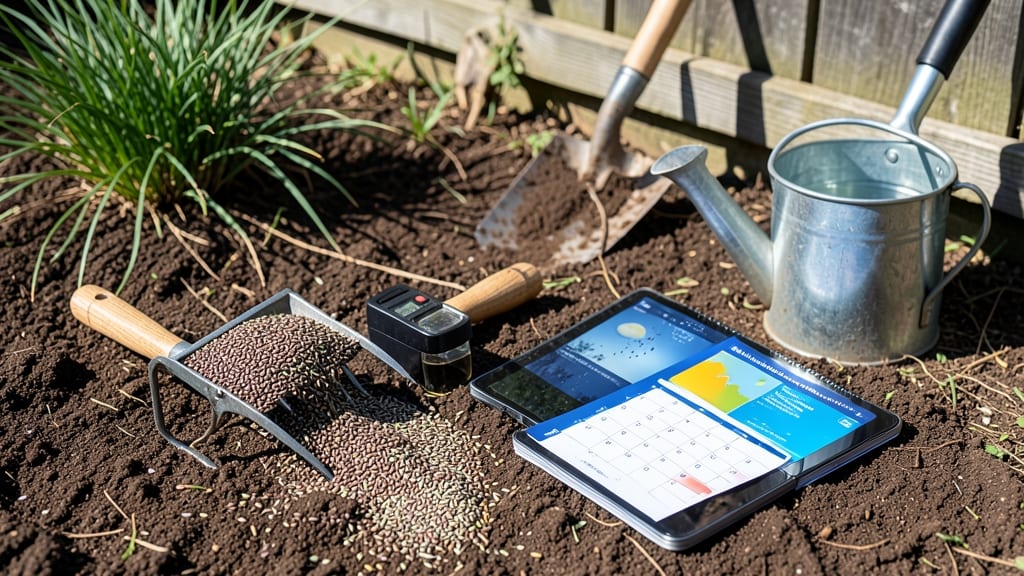
Planting grass seed in North Carolina too late can leave you with patchy lawns or wasted seed, but knowing the exact cutoff date saves you from costly mistakes.
North Carolina’s unpredictable fall weather can leave you scrambling—did you miss the perfect window to plant grass seed, or can you still salvage your lawn this season?
Cool-season grasses like tall fescue 🌱 need to establish roots 4-6 weeks before the first frost, which hits as early as mid-October in Zone 6a or as late as November in Zone 8b.
That means your last safe planting window often closes by early October, but with the right tricks, you might push it even later.
Most gardeners assume late fall is a lost cause, but the truth is more nuanced. Soil temperatures, seed varieties, and even your yard’s microclimate can shift that deadline by weeks.
For example, fast-germinating ryegrass might still thrive if planted in late September with frost protection, while Kentucky bluegrass could fail if seeded too close to winter. The key is understanding your region’s frost dates and adjusting your approach.
Below, I’ll walk you through how to read your local frost forecast, the best late-season seed choices for NC, and proven strategies to extend your planting window—even if you’re already past the "ideal" date. By the end, you’ll know exactly when to pull the trigger (or walk away) without guessing.
North Carolina frost dates: the critical deadline for late grass seed planting
North Carolina’s first frost dates act as a hard deadline for planting cool-season grasses like tall fescue and ryegrass. These varieties need 4-6 weeks to establish strong roots before winter dormancy begins. Missing this window can leave your lawn vulnerable to winter kill or slow spring recovery.
The key to success lies in understanding your USDA hardiness zone—whether you’re in Zone 7a (western mountains) or Zone 8b (coastal regions)—and how frost dates shift across the state.
For most of North Carolina, the last safe planting window for cool-season grass seed falls between early September and mid-October. This timeline ensures seedlings have enough time to germinate, develop roots, and harden off before the first frost.
However, if you’re in Zone 8a or 8b (eastern NC), you might squeeze in a late planting until early November, while Zone 7a areas (western NC) should aim to finish by mid-October. The difference can mean the gap between a thriving lawn and a failed project.
| USDA Zone | Avg. First Frost | Last Safe Planting | Grass Types Suited |
|---|---|---|---|
| 6a (Mountains) | October 15 | September 15 | Tall fescue, Fine fescue |
| 7a (Piedmont) | October 22 | September 25 | Tall fescue, Ryegrass |
| 7b (Coastal Plain) | October 30 | October 5 | Tall fescue, Bermuda (warm-season) |
| 8a (Eastern NC) | November 5 | October 15 | Tall fescue, Zoysia |
| 8b (Coastal) | November 15 | November 1 | St. Augustine, Centipede |
Your local frost dates aren’t just about the calendar—they’re tied to soil temperatures and daylight hours. Cool-season grasses like tall fescue thrive when soil temps stay above 50°F for consistent growth. If you’re planting in late October, check soil temps: below 50°F slows germination to a crawl.
Use a soil thermometer to confirm readiness, especially in Zone 7a where nights can drop quickly.
Don’t assume microclimates won’t affect your lawn. Urban areas like Raleigh or Charlotte often experience frost 1-2 weeks later than rural spots due to the urban heat island effect.
If you’re in a city, you might push planting to early November without risk, while nearby farms could face frost by October 25. Observe nearby gardens or check local weather stations for real-time data—your neighbors’ lawns hold clues to your microclimate.
For fast germination, choose ryegrass mixes or tall fescue blends labeled for quick establishment. These varieties can sprout in as few as 5-7 days with ideal conditions, giving you a fighting chance if frost looms.
Pair these with a starter fertilizer (high in phosphorus) to boost root growth. Even if you plant late, proper soil prep—like loosening compacted soil and removing weeds—can shave off critical days from the germination timeline.
If you’re just outside the frost-free window, consider frost cloth or row covers to buy time. These lightweight fabrics can raise soil temps by 5-10°F, extending the growing season by 2-3 weeks.
Secure the cover with bricks or stakes to prevent wind damage, and remove it during the day to allow sunlight. This tactic works best for small patches or newly seeded areas rather than entire lawns.
Watch for false frost warnings—those light freezes in late September that trick you into thinking winter’s arrived. These 28-32°F dips rarely cause damage to established grass but can harm tender seedlings. If you’ve planted late, protect new growth with mulch or straw to insulate roots.
The real threat comes when temps drop below 25°F, which can kill young grass before it’s had a chance to root deeply.
Timing isn’t everything—soil conditions
Last-minute grass seed planting tips: how to extend your window in NC’s fall
If you’ve been waiting for the perfect moment to plant grass seed in North Carolina, don’t panic if fall’s ideal window is slipping away. With the right strategies, you can still establish a lush lawn even when the calendar says it’s too late.
The key lies in understanding how to work with your local climate and microclimates—whether you're in a cooler mountain region or a warmer piedmont zone. Let’s explore practical ways to push your planting timeline safely.
First, focus on fast-germinating grass varieties like annual ryegrass or tall fescue blends, which can sprout in as few as 7-14 days under optimal conditions. These varieties are your best bet for late-season planting because they establish quickly before winter sets in.
Pair them with proper soil preparation, and you’ll give your new lawn the best chance to thrive despite the late start.
🌱
One of the most effective ways to extend your planting window is by using frost protection methods. In North Carolina’s USDA Zones 7a-8b, late fall can bring unexpected cold snaps.
A simple row cover or even a thick layer of straw mulch (3-4 inches) can insulate your new seedlings and protect them from light frosts. For urban gardeners, take advantage of microclimates—areas near buildings or pavement retain heat longer, creating a warmer environment for your grass to establish.
Don’t overlook the power of soil preparation. Before planting, loosen the top 2-3 inches of soil and mix in compost or peat moss to improve drainage and fertility. This step is critical for late-season planting because cool soil can slow germination.
If your soil is too cold (below 50°F), consider using a black plastic mulch to warm it up naturally. This hack can buy you an extra 1-2 weeks of planting time.
Finally, adjust your watering schedule to match the cooler temperatures. Water deeply in the late afternoon or evening to reduce evaporation and fungal risks. Aim for 1 inch of water per week, including rainfall, and avoid wetting the grass blades themselves.
With these strategies, you can successfully plant grass seed well into October or even early November, depending on your specific microclimate.
With the right approach, your late-season lawn can still thrive—just give it the extra care it needs to beat the clock. 🌿