
Lawn
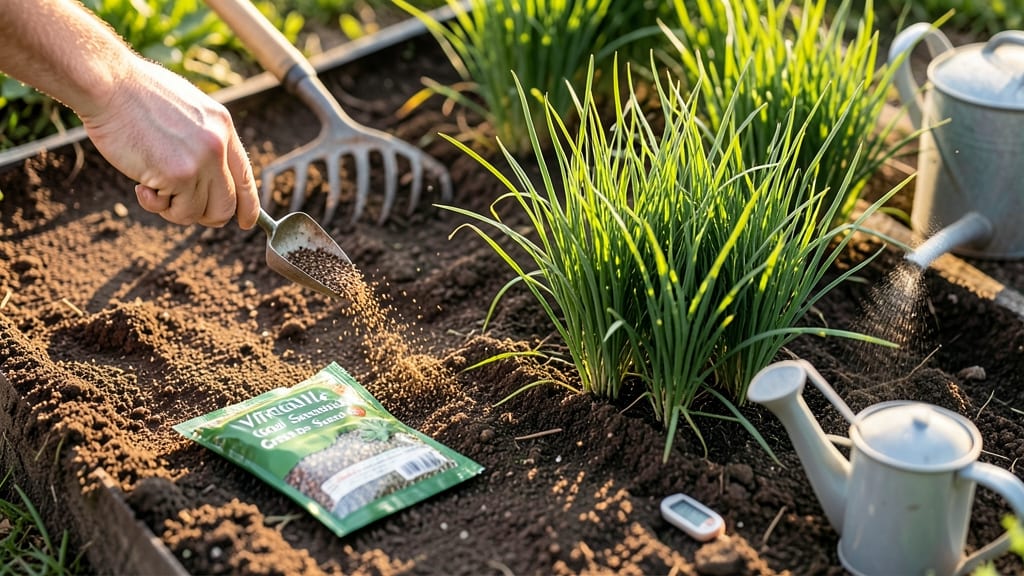
Planting grass seed in Virginia at the right time ensures your lawn thrives in 6a-8a zones, where the difference between early spring and late fall can mean the difference between a lush carpet of green and a patchy disappointment.
Picture this: you’ve spent hours raking, leveling, and preparing your soil, only to watch your new grass seedlings struggle under the relentless summer sun or freeze before they can take root.
That’s why timing is everything—especially in Virginia’s varied climate, where coastal areas and mountain regions can feel like entirely different worlds.
Most Virginia gardeners swear by early fall (September–October) as the ideal window, when soil stays warm enough to encourage strong root growth while cooler air keeps moisture levels just right.
But spring planting (March–April) also works if you’re in a hurry to see results—just be ready to fight off weeds and keep the soil consistently damp.
Below, I’ll break down the best months for your specific Virginia zone, how to prep your soil for maximum success, and the three key signs your grass is on track to establish beautifully. Let’s get that lawn growing right!
Best months to plant grass seed in Virginia’s 5 climate zones
Virginia’s diverse climate zones create unique challenges for grass seed planting. From the humid Coastal Plain to the cooler Appalachian Plateau, timing matters more than ever. Planting at the wrong time can lead to slow germination, weed competition, or even seed failure.
Let’s break down the best months for each of Virginia’s five distinct zones, including soil prep tips to ensure your new lawn thrives.
The key to success lies in soil temperature and weather conditions. For most Virginia regions, early fall (September–October) and early spring (March–April) are ideal. However, the Coastal Plain and Valley & Ridge zones may have slight variations due to their unique microclimates.
Below, we’ll explore the best planting windows, temperature thresholds, and soil preparation steps for each zone.
| Zone | Best Planting Months | Soil Temperature Threshold | Key Prep Steps | Grass Seed Type |
|---|---|---|---|---|
| Coastal Plain | September 15–October 15 or March 1–April 15 | 60–75°F (optimal for germination) | Test soil pH (6.0–7.0); loosen soil 4–6 inches | Tall Fescue, Bermudagrass |
| Piedmont | September 1–October 10 or March 10–April 10 | 55–70°F (avoid extreme heat) | Remove debris; add compost for clay-heavy soil | Kentucky Bluegrass, Fine Fescue |
| Blue Ridge | September 1–October 5 or March 15–April 5 | 50–65°F (cooler temps preferred) | Test for acidity; amend with lime if needed | Fine Fescue, Ryegrass |
| Valley & Ridge | August 25–September 20 or March 10–April 10 | 55–68°F (avoid late summer heat) | Till rocky soil; use starter fertilizer | Tall Fescue, Perennial Ryegrass |
| Appalachian Plateau | September 1–October 1 or March 15–April 15 | 45–60°F (cooler, shorter growing season) | Aerate compacted soil; add organic matter | Fine Fescue, Creeping Red Fescue |
For the Coastal Plain, which includes regions like Norfolk and Virginia Beach, September 15–October 15 is ideal due to its humid subtropical climate. The soil stays warm enough for germination but avoids the intense summer heat that can dry out seeds.
If planting in early spring, aim for March 1–April 15 when soil temperatures rise above 60°F. Use Tall Fescue or Bermudagrass for heat and humidity tolerance.
The Piedmont region, covering cities like Richmond and Charlottesville, benefits from planting in September 1–October 10 or March 10–April 10.
This zone often has clay-heavy soil, so amending with compost before planting is critical. Kentucky Bluegrass and Fine Fescue are excellent choices here, as they handle the region’s moderate rainfall and variable temperatures well.
In the Blue Ridge Mountains, cooler temperatures dictate a slightly earlier window. Plant between September 1–October 5 or March 15–April 5 to avoid the harsh mountain winters.
Soil temperatures should stay between 50–65°F for optimal germination. Fine Fescue and Ryegrass thrive in this high-elevation zone, where acidic soil is common—
How Virginia’s weather affects grass seed germination success
Virginia’s weather creates unique challenges and opportunities for grass seed germination. From the humid coastal plains to the drier mountain regions, the right timing and conditions make all the difference.
Too much heat or drought can scorch young seedlings, while excessive rain can suffocate them. Understanding these factors helps you maximize your lawn’s potential.
Cool-season grasses like Kentucky Bluegrass and Tall Fescue thrive in Virginia’s mild winters, but they need consistent moisture to germinate. Warm-season grasses like Bermuda and Zoysia prefer hotter soil but struggle in cooler months. Knowing which type suits your region ensures your seeds don’t waste away before they sprout.
Here’s the critical insight: Spring and fall are the only safe windows for planting in most of Virginia. Outside these times, extreme heat or cold can derail germination. But even within these windows, local weather patterns dictate success—especially in drought-prone areas like the Piedmont or high-humidity zones along the coast.
⚠️ Virginia Weather Pitfalls
Drought Risk: Planting in late spring (May–June) without irrigation often leads to failed germination in dry western Virginia. Always check the 7-day forecast before planting.
Heat Stress: Seeds planted in July–August may bake in the soil, causing poor germination. Wait until soil temps drop below 85°F.
Fungal Threats: Overcast, humid fall weather (Sept–Oct) can promote fungal diseases. Use fungicide-treated seed if planting late.
Rainfall is another game-changer. Virginia averages 40–50 inches annually, but distribution varies. Coastal areas get steady rain, while the Valley & Ridge can experience sudden droughts. If you’re planting in September, aim for a window with predictable showers—not prolonged downpours that can erode seeds.
For warm-season grasses, plant in late spring (May–June) when soil temps reach 65°F+. These grasses grow aggressively in summer but need deep, infrequent watering to establish roots. Cool-season grasses, however, prefer fall planting (Sept–Oct) when days are warm but nights cool, mimicking their natural growth cycle.
Adjust your planting timeline based on your local microclimate. In drought-prone areas, opt for drought-tolerant varieties like Tall Fescue and water deeply twice weekly. In humid zones, choose fungus-resistant seed and avoid overhead watering to prevent disease.
Pay attention to soil temperature—use a soil thermometer to confirm it’s 50–65°F for cool-season grasses or 65–75°F for warm-season types.
By aligning your planting with Virginia’s weather patterns, you’ll give your grass the best shot at thriving. Monitor conditions closely, and don’t hesitate to adjust your schedule if the forecast turns unfavorable. A little patience now means a lush, resilient lawn for years to come. 🌱