
Plants
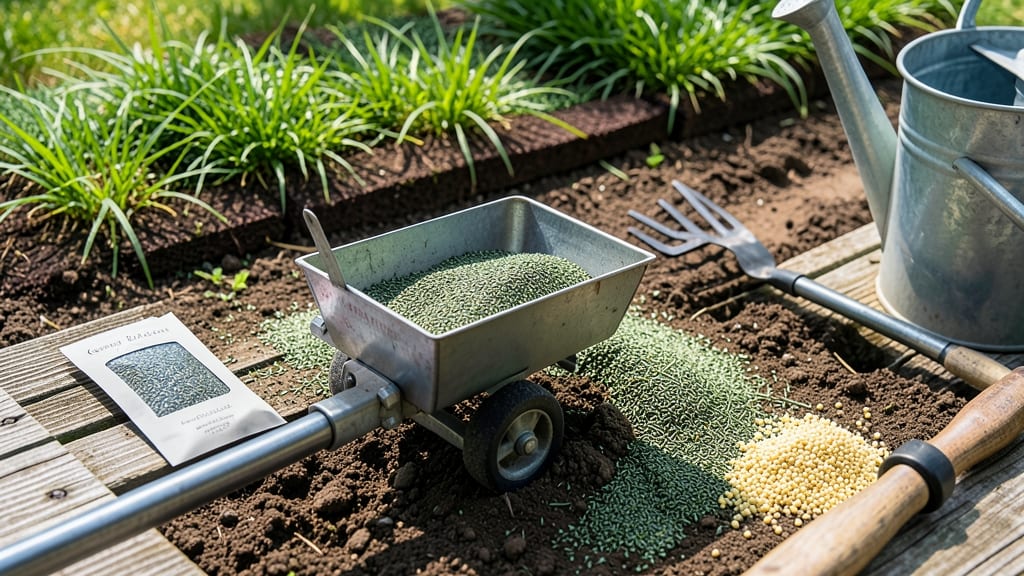
Planting grass seed in the fall gives your lawn a head start before winter, but the timing must be precise to avoid weak roots or wasted seed.
Fall is the perfect time to plant grass seed—but timing it wrong means thin lawns or wasted effort. Get it right, and you’ll have a thick, resilient turf before winter’s first freeze. Here’s how to pinpoint the exact window for your climate zone.
In USDA Zone 6a, like much of the Midwest, aim to plant 4-6 weeks before your first frost—typically late August to early September. This window lets seeds germinate and establish roots before cold sets in, giving your grass a survival advantage.
Below, I’ll break down zone-specific deadlines, soil prep tips to boost germination, and 5 warning signs you’re planting too late. Whether you’re a beginner or a seasoned gardener, these steps ensure your fall planting pays off next spring.
Fall grass seed planting deadlines by USDA hardiness zones
Timing your fall grass seed planting correctly means the difference between a lush, green lawn and wasted seed. The key is planting 4-6 weeks before your first frost date, giving roots time to establish before winter dormancy.
But deadlines vary wildly across USDA hardiness zones 3-10, where frost dates can differ by months. Let’s break down your exact window based on your climate zone.
In northern zones (3-5), where winters are harsh, you’ll need to plant early in September to avoid early frosts. Meanwhile, southern zones (8-10) can often plant well into November thanks to milder winters.
The ideal soil temperature for germination is 60-75°F, so we’ll factor that into your zone-specific deadlines too.
Pro Tip: Check your local frost date using the USDA Plant Hardiness Zone Map or your local cooperative extension office. For example, a Zone 5 might have a first frost on October 15, while a Zone 8 might not see frost until December 1. Planting too late risks weak germination before winter sets in.
| USDA Zone | Early Window | Ideal Window | Late Window | Soil Temp (°F) | First Frost |
|---|---|---|---|---|---|
| Zones 3-4 | Late August | Early-to-mid September | Early October | 60-70°F | Mid-October |
| Zones 5-6 | Early September | Mid-September | Late October | 60-75°F | Mid-to-late October |
| Zones 7-8 | Late September | October | Early November | 65-75°F | Late November |
| Zones 9-10 | October | November | Early December | 70-75°F | Rare (or none) |
If you’re in Zone 5 or 6, aim for mid-September planting—this gives your grass seed 6-8 weeks to germinate and establish roots before winter.
For Zone 7 and warmer, you can push it to October, but avoid planting after November 15 unless you’re using cold-hardy varieties like tall fescue or ryegrass.
For northern climates (Zones 3-4), late August is your last chance for early planting. If you miss this window, wait until early spring instead—fall planting in these zones risks frost damage before roots take hold.
Always test your soil temperature with a soil thermometer; if it drops below 50°F, germination slows dramatically.
In southern zones (8-10), where winters are mild, you can plant well into November. However, avoid planting after December 1 unless you’re in Zone 10, where frost is rare.
Even then, cool-season grasses like Kentucky bluegrass won’t thrive in warm winters—opt for warm-season varieties like Bermuda grass or Zoysia if you’re planting in late fall.
One common mistake? Planting too early in fall when soil is still warm. This can trigger weed competition or dormancy before germination. Stick to the ideal window in the table above, and pair it with proper soil prep
How to prepare soil and conditions for fall grass seed success
Fall’s cooler temperatures and increased rainfall create the perfect conditions for grass seed germination. But without proper soil prep, even the best seeds will struggle. The key lies in soil temperature, moisture balance, and removing obstacles like weeds and compacted soil.
Let’s break down my step-by-step checklist to ensure your new lawn thrives before winter sets in.
First, check your soil temperature—it should be between 60°F and 75°F for optimal germination. If it’s too hot or cold, seeds may fail to sprout.
Use a soil thermometer to test, especially in early fall when temperatures can still fluctuate. Moisture levels are equally critical; soil should be damp but not soggy, like a wrung-out sponge.
Now, let’s dive into the actionable steps to prepare your soil and conditions:
- 1 Test Soil pH: Aim for a pH of 6.0 to 7.0. Use a soil test kit to check, and amend with lime (to raise pH) or sulfur (to lower it) if needed.
- 2 Aerate Compacted Soil: Rent a core aerator to pull 3-4 inch plugs from the lawn. This loosens soil, allowing roots to penetrate deeply and seeds to make better contact with the earth.
- 3 Remove Weeds and Debris: Use a pre-emergent herbicide (like corn gluten meal) to prevent weed seeds from germinating, or hand-pull existing weeds. Rake the area to clear leaves and rocks.
- 4 Add Compost or Topsoil: Spread a ¼-inch layer of compost or topsoil over the aerated area. This provides nutrients and improves soil structure for seedling growth.
- 5 Level the Surface: Use a lawn rake to smooth out bumps and create a firm, even seedbed. This ensures seeds make consistent contact with the soil.
- 6 Water Thoroughly Before Planting: Soak the soil to a depth of 4-6 inches the day before seeding. This helps seeds settle into the soil and encourages rapid germination.
After preparing the soil, scatter your grass seed evenly using a broadcast spreader or by hand. Lightly rake the seeds into the soil to ensure seed-to-soil contact, which is crucial for germination.
Follow up with a light watering to settle the seeds, then maintain consistent moisture for the first 2-3 weeks—this is when roots establish.
Once seeds sprout, reduce watering slightly but keep the soil moist. Avoid walking on the new lawn until the grass reaches 3-4 inches tall to prevent damage. With these steps, your fall-planted grass will have a strong start and outperform spring plantings every time.