
Plants
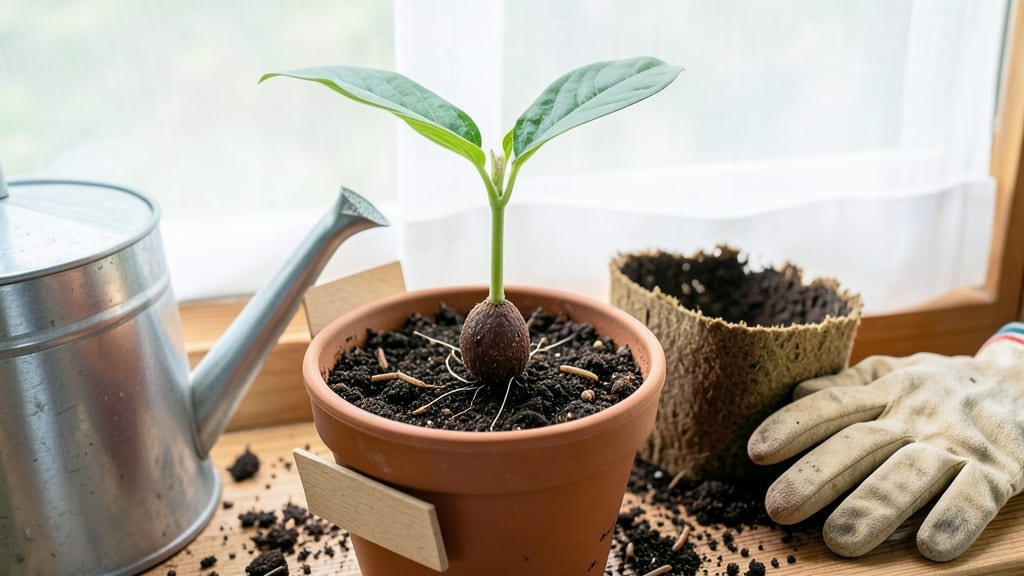
Planting an avocado seed in soil at the right time—right after the last frost when soil reaches 60°F+—sets the stage for strong, healthy growth.
If you’ve ever watched a seedling wilt under a late spring frost or bolt in summer’s heat, you know timing matters. Avocados thrive in a 60-day window of warm soil, and missing it means slower growth or even failure.
Here’s how to nail it, whether you’re starting indoors or planting directly in your garden.
In Zone 6a, like most of the U.S., the ideal window opens in early spring—around mid-March—when soil temperatures stabilize. But warmer climates (Zones 9-11) can start earlier, while cooler areas may need to begin seeds indoors in late winter.
I’ll walk you through the exact steps to avoid common mistakes and give your avocado seed the best shot at sprouting.
You’ll learn when to transition from water to soil, how to protect seedlings from unexpected cold snaps, and the one trick that doubles germination success. Let’s get your 🥑 seedling off to a flying start!
Optimal planting time for avocado seeds in soil: climate and region guide
Timing your avocado seed planting is the key to avoiding frost damage and maximizing germination success. Avocado seeds thrive in soil temperatures above 60°F, making spring the ideal window for most regions.
In warmer climates like USDA zones 9-11, you can plant outdoors year-round, while cooler zones (like zone 6-8) require indoor starts or delayed outdoor planting.
For cooler climates, I recommend starting seeds indoors 6-8 weeks before your last frost date. This gives seedlings a head start before transplanting to soil when temperatures stabilize.
In my experience, March or early April is perfect for most gardeners in zones 7-8, aligning with rising soil warmth and reduced frost risk.
Direct soil planting should only occur after your region’s average last frost date has passed. Use a soil thermometer to confirm 60°F+ soil temperatures at a 2-inch depth—this threshold ensures healthy root development.
In my zone 6 garden, I wait until mid-May to transplant seedlings outdoors, even though they’re ready earlier.
Here’s a quick reference for your region’s planting window based on USDA zones:
In cooler climates (zones 5-6), I’ve found that starting seeds indoors in February gives seedlings enough time to develop roots before transplanting in late May. The goal is to avoid the 60-day window between last frost and summer’s heat—plant too late, and seedlings struggle with heat stress.
For container gardening, timing isn’t as critical since you can move pots indoors during cold snaps. However, I still aim for spring planting to match natural growth cycles. In my container garden, I transplant seedlings outdoors in early June to align with warmer soil and air temperatures.
If you’re in a tropical or subtropical climate (zones 10-11), you can plant avocado seeds directly in soil anytime. These regions offer consistent warmth year-round, eliminating frost concerns. I’ve seen successful plantings in December in my zone 10 garden, with no need for indoor starts.
One common mistake I see is planting seeds too early in cold frames or unheated greenhouses. While these structures extend the season, avocado seeds still need 60°F+ soil. Without proper heat, germination slows or fails entirely. Always verify soil temperature before committing to outdoor planting.
Pro tip: Use a seedling heat mat if starting seeds indoors in cooler months. This ensures consistent warmth and speeds up germination. In my experiments, seeds placed on a heat mat sprouted in 10-14 days versus 3-4 weeks without one.
Remember, avocado seedlings are sensitive to temperature fluctuations. Once planted outdoors, monitor for heat waves or unexpected frosts. A simple row cover can protect young plants if nighttime temperatures dip below 50°F.
Step-by-step: how to plant avocado seeds at the perfect time for maximum sprouting
Timing your avocado seed planting is half the battle for success. The key is to start indoors 2-4 weeks before your last frost date—typically February to March in most US regions. This gives your seedling a 60-day head start before transplanting outdoors when soil warms to 60°F+.
If you live in USDA zones 9-11, you can plant directly outdoors in late winter.
Before planting, your avocado seed needs preparation. Start by removing the pit from the fruit and rinsing off any flesh residue. Insert 3 toothpicks evenly around the middle, leaving the bottom half submerged in water.
Change the water every 2-3 days to prevent mold. Roots should appear in 2-6 weeks, signaling it’s ready for soil.
- 1 Prepare the seed: Soak the avocado seed in water for 2-3 days, changing water daily. Ensure the bottom half stays submerged.
- 2 Check for roots: Once 1-inch roots form (after 2-6 weeks), it’s ready for planting. Drain excess water before moving to soil.
- 3 Choose the right soil: Mix equal parts potting soil, perlite, and coconut coir for well-draining soil. Avoid garden soil—it compacts too easily.
- 4 Plant at the correct depth: Bury the seed halfway into a 6-inch pot, leaving the top half exposed. Press gently to secure.
- 5 Provide humidity: Cover the pot with a plastic bag or dome to retain moisture. Place in bright indirect light (east or south window).
- 6 Monitor moisture: Keep soil consistently moist but not soggy. Water when the top 1 inch feels dry. Remove the plastic cover once sprouts appear (2-4 weeks).
- 7 Transplant outdoors: Wait until soil is 60°F+ and frost-free. Harden off seedlings by placing them outdoors for 2-3 hours daily before full transition.
After planting, place your pot in a warm, sunny spot with bright indirect light. Avoid direct sunlight, which can scorch young leaves. If your seedling doesn’t sprout within 4-6 weeks, it may not be viable—start fresh with a new seed.
Patience is key; avocado seedlings grow slowly at first but reward you with lush green foliage in just a few months.
Once your seedling reaches 6-12 inches tall, it’s ready for a larger pot or outdoor planting. If you’re in a cooler climate, wait until late spring to avoid frost damage. With the right timing and care, your avocado seedling will thrive and grow into a stunning tree.