
Companion Plants
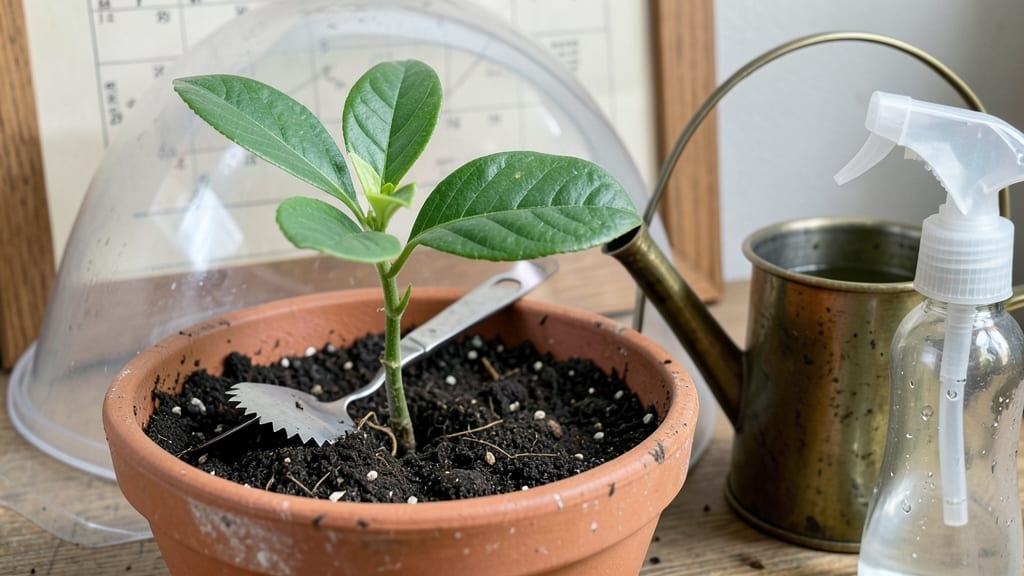
Plant your avocado seed in soil when the soil temperature stays above 70°F (21°C) and roots reach 2–3 inches—timing this right can mean the difference between a thriving 🥑 sapling and a lost effort.
Most gardeners rush to plant too soon, only to watch their seeds rot in cold soil or struggle under weak light. The key is patience: indoor germination first (in water or a damp paper towel) buys you 4–6 weeks to harden off the seedling before outdoor exposure.
In USDA Zone 6a, aim for late spring (after April 15) or early fall (6–8 weeks before frost). Warmer zones (7+) can plant as early as March, but never skip the soil-warmth check—avocado roots despise chill.
Below, I’ll break down the exact steps by climate, plus the 3 biggest mistakes that kill seeds before they sprout. Ready to turn that pit into a tree?
Best time to plant avocado seeds by USDA climate zones
Avocado seeds thrive in warm climates, but timing your planting depends entirely on your USDA zone. In Zones 7-11, the ideal window shifts from early spring to late fall, aligning with soil temperatures and daylight hours.
Planting too early in cooler zones risks rotten seeds, while waiting too long in hot zones can stunt growth before winter dormancy.
For indoor germination, start seeds year-round in Zones 7-9—they’ll sprout faster in warm water (70–85°F/21–29°C). However, outdoor planting requires soil warmth (at least 60°F/15°C) and consistent sunlight.
In Zone 10-11, you can plant directly outdoors almost year-round, but spring or fall still offers the best balance of moisture and warmth.
Here’s a zone-by-zone breakdown of when to transition your avocado seed from indoor germination to soil, including key triggers like root length, leaf development, and outdoor temperature thresholds:
In Zone 7, wait until after the last frost (typically late April) to plant outdoors.
Start seeds indoors in February to give them a head start—2-inch roots and 2 leaves signal readiness for soil. Zone 8 gardeners have flexibility, planting in spring or fall when soil warms to 60°F+.
For Zones 9-11, the rules relax further. In Zone 9, you can plant as early as February or transition seedlings outdoors in August-September. Zone 10-11 offers the most freedom—plant directly in soil year-round, but spring or fall still yields the fastest growth due to consistent moisture.
Avoid planting outdoors in Zone 7-9 when nighttime temps drop below 50°F (10°C). Avocado seedlings are tropical plants and won’t survive frost. If you’re in a cooler microclimate within these zones, extend indoor germination by 4-6 weeks to delay outdoor exposure.
Pro tip: Use a soil thermometer to confirm 60°F+ (15°C+) soil temps before planting outdoors. Cold soil slows root growth and increases rot risk. In Zones 10-11, monitor humidity levels—avocado seedlings thrive in 60-80% humidity but may need shade cloth during peak summer heat.
Once your seedling has 3-4 leaves and 3-inch roots, it’s ready for a 5-inch pot with well-draining soil. In <
Indoor vs. outdoor germination: which method works faster?
Deciding between indoor water-glass germination and direct soil planting for your avocado seed can feel overwhelming. Indoor methods like the water-glass technique give you visible control over root growth, while outdoor planting skips the transition phase.
The truth? Indoor germination wins for speed and survival rates—especially in cooler climates—but outdoor planting can work in warm zones if timed perfectly.
Most avocado seeds sprout 2–4 weeks faster indoors because you control temperature and moisture. Outdoor planting, however, exposes seeds to unpredictable soil conditions, which can delay germination by 3–6 weeks or worse, cause rot.
For example, in USDA Zone 6a, indoor germination in 70–85°F (21–29°C) ensures roots start before outdoor soil warms up.
Here’s the key difference: indoor methods let you monitor root development (aim for 2–3 inches before soil planting) while avoiding fungal risks from damp soil. Outdoor planting requires soil temperatures above 70°F and consistent moisture—two factors you can’t always guarantee without indoor prep.
Indoor Water-Glass Germination
- Faster sprouting (2–4 weeks)
- Visible root growth (control timing)
- Lower rot risk (no soil-borne pathogens)
- Requires daily water changes (to prevent mold)
- No soil acclimation (transition shock risk)
- Limited root strength (needs hardening off)
Outdoor Direct Soil Planting
- No transplant shock (direct growth)
- Soil microbes boost natural defenses
- Lower maintenance (no water changes)
- Slower sprouting (3–6 weeks or longer)
- Higher rot risk (cold/wet soil)
- Unpredictable conditions (frost, pests)
If you’re in USDA Zones 7–11, outdoor planting can work if soil temps stay above 70°F year-round. But for cooler zones (6a–6b), indoor germination is non-negotiable. Start seeds in water 4–6 weeks before your last frost date—this gives roots time to establish before outdoor exposure.
Pro tip: After indoor germination, harden off seedlings for 7–10 days by placing them outside in partial shade during the day. Gradually increase sun exposure to avoid leaf scorch.
For outdoor planting, wait until soil is warm to the touch (use a soil thermometer if unsure) and choose a well-draining spot.
Remember, avocado seeds are sensitive to cold—never plant outdoors if night temps dip below 50°F (10°C). Even in warm climates, a 2–3 inch root system from indoor germination gives seedlings a 30% better survival rate when transplanted.
The extra effort upfront pays off with stronger, faster-growing trees. 🌱