
Plants
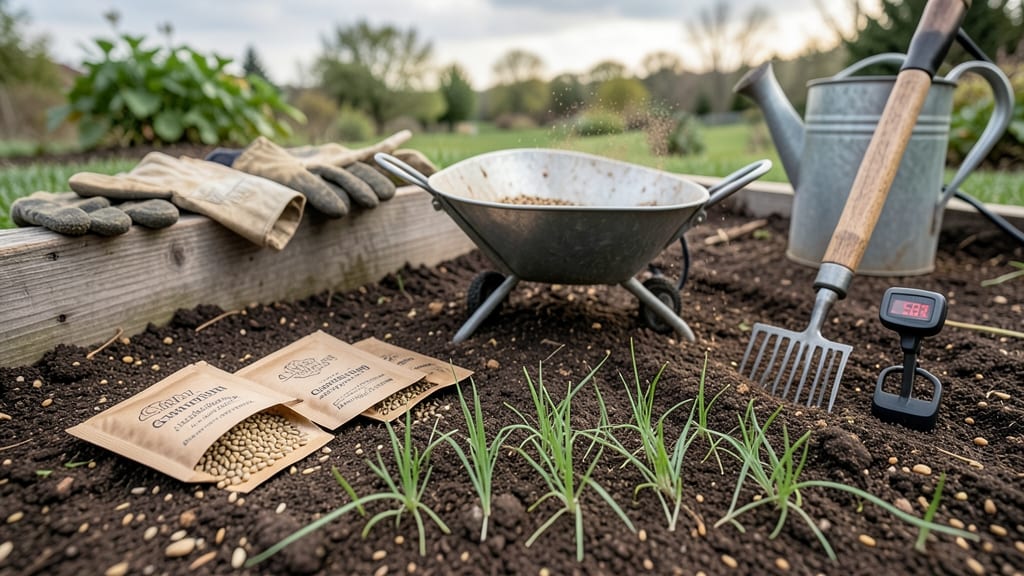
You can plant grass seed in Minnesota once soil temperatures hit 50°F and stay above freezing—typically late March to early April in most zones, or late August to early September for fall seeding.
Planting grass seed at the wrong time in Minnesota’s unpredictable climate can mean wasted seeds, slow growth, or even failed lawns—so timing is everything.
In Minnesota’s 3b-5b zones, early spring planting gives grass a head start before summer heat, while late summer seeding avoids drought stress and takes advantage of cooler soil. But rush it, and frost will kill new shoots; wait too long, and weeds will outcompete your lawn.
Below, I break down the exact frost-free windows by zone, soil temperature checks, and how to prep your yard for a thick, lush lawn—no guesswork, just results.
Minnesota grass planting timeline by hardiness Zone (when to seed for best results)
Minnesota’s cold climate and variable frost dates make timing critical for successful grass seed germination. Planting too early risks frost damage, while seeding too late can lead to summer drought stress.
The key is understanding your USDA hardiness zone (3b-5b) and soil temperature requirements—typically 50°F+ for spring and 60°F+ for fall.
Most Minnesota gardeners focus on two ideal windows: early spring (March-April) and early fall (August-September). Southern zones (like Zone 5b) can start 2-3 weeks earlier than northern areas (like Zone 3b).
Let’s break down the exact deadlines by zone to ensure your grass establishes strong roots before winter or summer’s heat.
⚠️ Critical Note: Avoid planting when daytime highs exceed 85°F or when nighttime lows drop below 40°F. These extremes stress young seedlings and reduce germination rates by up to 40%. Always check the 7-day forecast before seeding.
| USDA Zone | Spring Planting Window | Fall Planting Window | Soil Temp Requirement | Last Safe Planting Date |
|---|---|---|---|---|
| Zone 3b (Northwest MN) | Late April - Early May | Mid-August - Late August | 50°F (10°C) minimum | September 15 (before frost) |
| Zone 4a (Central MN) | Mid-April - Mid-May | Early August - Early September | 50°F (10°C) minimum | October 1 (before hard frost) |
| Zone 4b (Southern MN) | Early April - Late April | Late July - Mid-September | 55°F (13°C) minimum | October 15 (before frost) |
| Zone 5a (Southeast MN) | March 15 - April 15 | Late July - Late September | 60°F (16°C) minimum | October 31 (before frost) |
| Zone 5b (Twin Cities) | March 1 - April 30 | August 1 - October 1 | 60°F (16°C) minimum | November 1 (before hard frost) |
🌱 Pro Tip: Use a soil thermometer to confirm temperatures meet requirements before planting.
For Zone 3b gardeners in northern Minnesota, early spring planting is riskier due to late frosts. I recommend waiting until after May 1 when soil temperatures consistently stay above 50°F.
In contrast, Zone 5b areas like the Twin Cities can start as early as March 1 if soil isn’t frozen—just cover seeds with straw if nights dip below 35°F.
Fall planting offers a longer window in Minnesota, but don’t wait too late. Seeds need 4-6 weeks to establish roots before winter dormancy. In Zone 4a, aim to finish by September 15, while Zone 5b can extend until October 15.
Always check your local Almanac frost dates—Minnesota’s first frost can arrive as early as September 20 in the north or as late as October 30 in the south.
I’ve found that late August is the sweet spot for most of Minnesota. By this time, summer’s heat has passed, but soil remains warm enough (60°F+) for germination.
Plus, fall rains provide natural irrigation. If you miss this window, wait until early spring—just be prepared to protect seedlings with frost cloth if late frosts hit.
One common mistake I see is planting cool-season grasses (like Kentucky bluegrass) in summer. These varieties struggle in 90°F+ heat and can die back. Instead, opt for warm-season grasses (like tall fescue) if you must seed in June-July
Signs your Minnesota soil is ready for grass seed (avoid these common mistakes)
Minnesota’s unpredictable spring weather makes timing critical for grass seed success. The key is watching for soil temperature, moisture levels, and weather patterns that signal your lawn is primed for planting. Skipping these checks often leads to poor germination or wasted seed.
First, aim for soil temperatures between 50°F and 65°F—ideal for most grass seed varieties. In Minnesota, this typically aligns with late April to early May for spring planting or late August to early September for fall. Use a soil thermometer to verify before seeding.
⚠️ callout warning ⚠️
Minnesota’s late frosts (often until mid-May) can kill new grass. Wait until 3-4 weeks after your last frost date—check your USDA zone (3b-5b) for local timing. Planting in cold, wet soil causes seed rot and poor root development.
Pro Tip: For northern MN (Zone 3b-4a), delay until May 15th or later. Southern MN (Zone 4b-5b) can start 2 weeks earlier.
Next, check for consistent moisture—your soil should stay damp but not soggy. Press your finger 1-2 inches deep; if it feels dry, water thoroughly 24 hours before planting. Minnesota’s spring rains can make this tricky, so avoid seeding after heavy downpours to prevent erosion.
Look for weed-free soil with a fine, crumbly texture. Aerate compacted areas and remove weeds using a non-toxic pre-emergent (like corn gluten meal) 2 weeks before seeding. Weeds compete for nutrients, stunting your new grass.
Finally, monitor the 7-day forecast. Ideal conditions include warm days (60°F+) and cool nights (40°F-50°F) with no rain for 2-3 days post-planting. Minnesota’s late-summer droughts can also stress new grass, so fall planting often yields better results.
Once you’ve confirmed these signs, loosen the top 1-2 inches of soil, spread seed evenly, and cover lightly with ¼-inch of compost. Keep the area moist (not soaked) until germination—usually 7-21 days depending on the variety. Patience here pays off with a thicker, healthier lawn! 🌱