
Plants
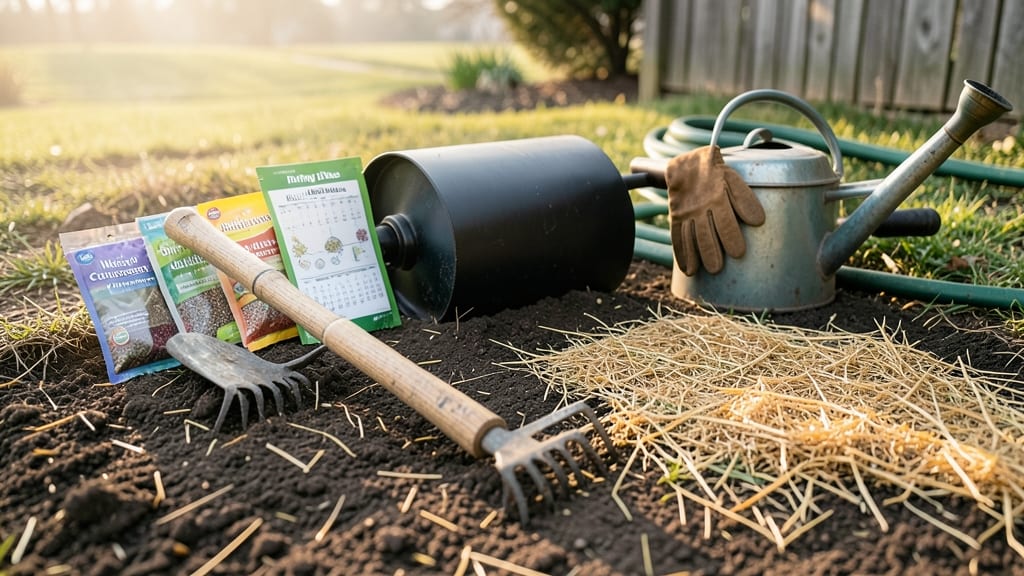
You can plant grass seed in Michigan when soil temperatures hit 50°F and the last frost has passed—typically between mid-April and early May for most of the state.
But here’s the catch: Michigan’s 5b-6b zones mean frost can linger well into April, and planting too early risks seed washout or frost damage. Meanwhile, fall planting offers a second chance in August-September, when cooler temps and moisture help roots establish before winter.
Whether you’re seeding a new lawn or overseeding an existing one, timing isn’t just about the calendar—it’s about soil warmth, moisture levels, and even your local microclimate. Get it wrong, and you’re staring at patchy growth or weeds taking over.
In this guide, I’ll break down the exact frost dates by zone, soil prep tricks to speed up germination, and why some years demand a fall planting instead. No more guesswork—just a lawn that thrives.
Michigan’s grass planting timeline by USDA Zone and frost dates
Michigan’s USDA Zones 4-6 create unique challenges for grass planting, where last frost dates can vary by 3-4 weeks between northern and southern regions.
Cool-season grasses like Kentucky Bluegrass and Tall Fescue thrive in Michigan’s climate, but timing your planting to avoid late spring frosts or early fall freezes is critical for success. I’ve broken down the ideal windows based on soil temperature and average frost dates to help you plant with confidence.
For most of Michigan, the best time to plant grass seed falls into two windows: early spring (March-April) and early fall (August-September). Spring planting allows seeds to establish before summer heat, while fall planting gives roots time to grow before winter dormancy.
However, these windows shift slightly depending on whether you’re in Zone 4 (northern Michigan), Zone 5 (central Michigan), or Zone 6 (southern Michigan).
Here’s a quick reference for soil temperature guidelines—your grass seed won’t germinate if the soil is too cold. Aim for 50°F (10°C) or warmer for cool-season grasses.
In northern Michigan (Zone 4), this typically means waiting until mid-to-late April, while southern Michigan (Zone 6) can start as early as early March. Warm-season grasses like Buffalo Grass need even warmer soil, around 65°F (18°C), which usually aligns with late May to early June.
🌱
In Zone 4 (northern Michigan), where frost can linger until May 1, I recommend waiting until mid-April to plant cool-season grasses. This gives seeds time to germinate before the risk of a late frost damages young shoots.
For Zone 5 (central Michigan), you can start as early as late March, but monitor soil temperatures closely—seeds won’t sprout if the ground is still too cold.
Fall planting in Michigan is often more successful than spring because soil moisture is higher, and weed competition is lower.
In Zone 6 (southern Michigan), you can extend fall planting into early October, but aim to finish by mid-September in northern regions to allow roots to establish before winter.
Always plant 6-8 weeks before the first frost—this gives grass enough time to develop a strong root system before dormancy.
If you’re planting warm-season grasses like Buffalo Grass or Zoysia, wait until the soil reaches 65°F (18°C), which typically happens in late May to early June. These grasses struggle in Michigan’s cool springs and are better suited for summer establishment.
However, they may go dormant in winter, so they’re less common for full lawn coverage in colder climates.
One of my biggest mistakes early on was planting too early in spring—seeds would sprout, only to be killed by a late frost. Now, I always check the Michigan State University Extension’s frost date maps and use a soil thermometer to confirm conditions are right.
For an extra layer of protection, consider using frost blankets or row covers if planting in early spring or late fall.
🌿
Remember, soil preparation is just as important as timing. Before planting, test your soil’s pH (ideal: 6.0-7.0) and amend it with compost or lime if
How to adjust your planting schedule for Michigan’s unpredictable weather
Michigan’s weather can throw off even the best-laid planting plans. One week you’re dreaming of spring blooms, and the next, a late frost wipes out your progress. For grass seed, this unpredictability means the difference between a lush lawn and a patchy disappointment.
The key is flexibility—knowing when to plant, how to protect your seeds, and when to pivot to a backup plan.
Start by checking your local frost dates, which can vary by 2-3 weeks even within the same county. Northern Michigan (Zone 4) often sees frost until May 10, while southern regions (Zone 6) might be safe by April 15.
Use the National Weather Service’s frost calendar or your local Michigan State University Extension office for real-time updates. But don’t rely solely on dates—soil temperature is the real game-changer.
⚠️ callout warning ⚠️
Even if the calendar says "spring," Michigan’s unpredictable frost can strike until May 1-15 in many areas. If you plant grass seed too soon, a single frost can kill young seedlings before they establish roots. Wait until soil temps hit 50°F+ (test with a soil thermometer) and check the 7-day forecast for frost warnings. For high-risk areas, delay planting until mid-May.
Pro Tip: Use a frost blanket (lightweight row cover) if you must plant early. Secure it tightly to avoid seed washout from rain.
Soil moisture is another wild card. Michigan’s spring can swing from soggy to drought-like in a week. Before planting, test your soil’s moisture retention by digging a 6-inch hole—if the dirt clumps together when squeezed, it’s ready.
If it crumbles, amend with compost or peat moss to improve water retention. Overwatering is just as harmful as underwatering; aim for consistent, deep watering (1/2 inch per week) to encourage root growth.
For regions with microclimates—like sheltered valleys or urban heat islands—adjust your schedule accordingly. South-facing slopes warm up faster, while low-lying areas stay colder longer. If your yard fits the latter, consider fall planting (August-September) instead.
Cooler temps and consistent moisture give grass seeds a better shot at establishing before winter. Just be sure to plant 6-8 weeks before the first frost to allow roots to develop.
Alternative planting methods can also help. If frost is a recurring issue, try hydroseeding, which uses a slurry of seed, mulch, and fertilizer to protect seedlings. For high-risk areas, starter fertilizer with fungicide can prevent disease from sudden temperature swings.
And if all else fails, sod might be your best bet—it establishes faster and resists frost damage better than seed.
Finally, keep an eye on the weather radar and have a backup plan. If a frost warning pops up after planting, cover seeds with a lightweight tarp or frost cloth and remove it during the day to prevent overheating.
With these adjustments, you’ll turn Michigan’s weather quirks into opportunities for a thriving lawn, not a headache. 🌱