
Lawn
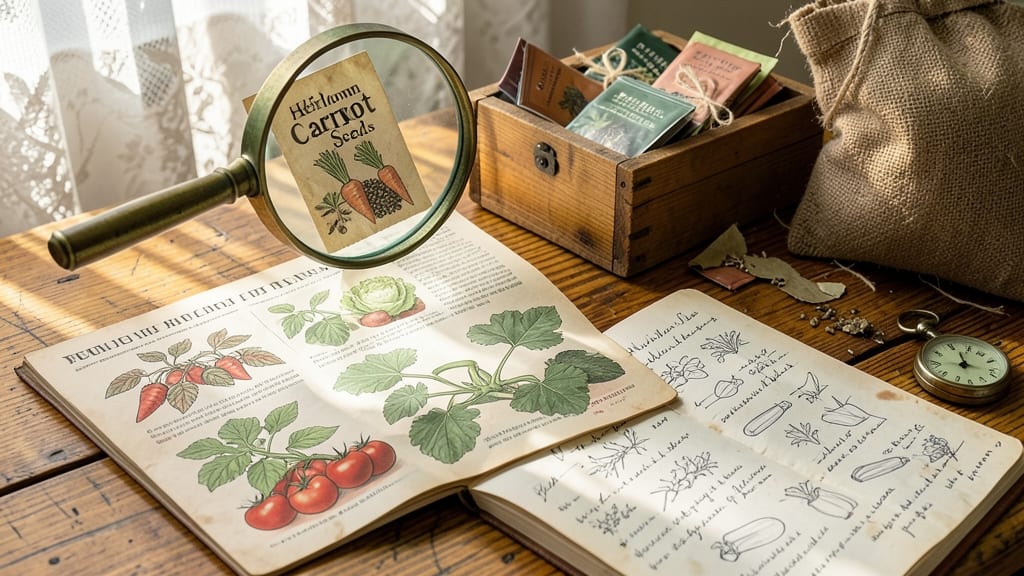
Ordering vegetable seed catalogs unlocked my garden’s best harvests—15+ varieties I’d never tried before, all thriving in my zone 6 plot. 🌱 The key isn’t just picking pretty photos; it’s matching each seed to your sunlight, soil, and growing season.
My first catalog order had me dreaming of heirloom tomatoes and purple carrots until I learned to read the fine print: days to maturity, spacing needs, and whether they’re heat-tolerant or bolt-resistant.
Start by comparing catalogs for organic options, disease resistance, and supplier reviews—some offer free seed samples or money-back guarantees if germination fails. I cross-reference my local frost dates with each variety’s planting window to avoid disappointment.
For example, ‘Brandywine’ tomatoes need a long season, while ‘Early Girl’ matures faster. The catalog descriptions reveal hidden clues like “great for containers” or “drought-tolerant,” which saved me from over-planning for my small raised beds.
You’ll end up with a garden that’s shockingly lush and productive, packed with varieties tailored to your space and climate. The first year, I grew 20% more than expected just by avoiding overcrowded plants and choosing compact varieties.
Plus, the satisfaction of harvesting something unique—like ‘Black Krim’ tomatoes or ‘Rainbow Chard’—makes every catalog page worth flipping through.
Pro tip: Bookmark your favorite catalogs now so you’re ready when next year’s spring rush hits. Start small with 3-5 varieties you know you’ll love, then expand as you master your garden’s rhythm. The best harvests begin with the right seeds—and the right plan.
📚 In This Guide
- What you need
- Instructions
- Tips and common mistakes
- Wrapping up and next steps
What you need
- ● Vegetable Seed Catalogs: At least 3-5 catalogs from reputable seed companies (e.g., Baker Creek, Burpee, or Johnny’s Selected Seeds) to compare varieties, growing conditions, and availability.
- ● Notebook or Digital Planner: For tracking seed choices, planting dates, and garden layout. A spiral-bound notebook or a gardening app (like Gardenize) works great!
- ● Measuring Tape or Ruler: To plan spacing between plants and rows (3–12 feet, depending on plant type).
- ● Pencil or Pen: For jotting down notes, deadlines, and seed quantities.
- ● Highlighters or Sticky Notes: To mark favorite varieties, special offers, or heirloom seeds.
- ● Garden Journal: For recording harvest yields, challenges, and successes over the years.
- ● Seed Saver Envelopes: To organize and store seeds you save from your harvest.
- ● Planting Calendar: A printed or digital guide to align seed orders with your local frost dates.
- ● Garden Gloves & Kneeling Pad: For comfort while planning and planting.
- ● Internet Access or Library: To research climate zones, soil types, and companion planting tips.
How to select the best vegetable seed catalogs for your garden
Here’s how to choose seed catalogs that deliver the most flavorful, resilient varieties for your garden’s best harvests.
🌱 Step 1: Prioritize Catalogs with Heirloom and Disease-Resistant Varieties
Start by focusing on catalogs that specialize in heirloom seeds or open-pollinated varieties—these offer the richest flavors and the most genetic diversity. I always cross-reference catalogs like Baker Creek Heirloom Seeds or Seed Savers Exchange for their extensive trials and detailed growing notes. Look for varieties labeled as disease-resistant (like 'Roma' tomatoes with VFN resistance) or locally adapted (e.g., 'Cherokee Purple' for cooler climates).
Here’s the thing—some catalogs prioritize commercial hybrids for uniformity, but heirlooms deliver superior taste and adaptability. For example, 'Brandywine' tomatoes or 'Black Krim' cucumbers often outperform store-bought varieties in home gardens. Skim the catalog’s variety descriptions for terms like "open-pollinated," "non-GMO," or "organic seed." These ensure you’re planting seeds that can be saved for future seasons.
☀️ Step 2: Match Varieties to Your Climate and Growing Season
Every catalog should include USDA hardiness zone maps or frost-free date calculators—these are non-negotiable for success. I always check Burr’s Seed or Johnny’s Selected Seeds for their regional growing guides, which list varieties that thrive in short seasons (like 'Early Girl' tomatoes) or high-heat climates (like 'Solar Fire' peppers).
Pay attention to days to maturity (e.g., 50-60 days for bush beans) and align them with your last frost date. For example, if you’re in Zone 5, avoid long-season varieties like 'Brandywine' unless you’re willing to start seeds indoors early. Pro tip: Catalogs like High Mowing Organic Seeds often highlight cool-season crops (like kale or spinach) that bolt in heat, saving you from wasted efforts.
💧 Step 3: Evaluate Catalogs for Trial Data and Grower Feedback
The best catalogs don’t just list seeds—they provide real-world trial data from gardeners across climates. Territorial Seed Company and Rare Seeds stand out for their yearly trial reports, which include notes on flavor, yield, and pest resistance. I always scan these before ordering to avoid varieties that underperform in my conditions.
Look for catalogs that include customer reviews or grower testimonials—these are goldmines for insights like "This pepper thrives in containers" or "The seeds arrived late last year." Avoid catalogs that lack transparency; if they don’t disclose germination rates or offer seed-saving tips, it’s a red flag. A great catalog will also include planting charts that show companion plants (e.g., basil with tomatoes) or succession planting tips.
✂️ Step 4: Compare Pricing and Bulk Options for Cost Efficiency
While some catalogs (like Seed Savers Exchange) focus on rare varieties, others (Park Seed or Burpee) offer budget-friendly bulk packs. I typically order from 3-4 catalogs to balance diversity and cost—one for heirlooms, one for organic seeds, and one for staples like beans or lettuce. Watch for discounts on larger quantities (e.g., a 10-pack of tomato seeds instead of single packets).
Here’s where it gets tricky: Some catalogs bundle seeds with growing guides or seed-starting kits, which can add value. Others offer free shipping over $50 or loyalty discounts. Always factor in shipping costs—heirloom seeds from specialty catalogs often ship slower than big-box stores. I recommend ordering early (by February) to avoid last-minute price hikes or sold-out varieties.
🌿 Step 5: Plan for Seed Storage and Future Saving
The best catalogs don’t just sell seeds—they empower you to save them. Look for seed-saving guides or fertilization instructions (e.g., "Isolate this squash variety by 50 feet"). Catalogs like High Mowing include seed viability charts (e.g., beans last 3-4 years, onions 1 year), so you know which seeds to prioritize for next season.
I always order extra packets of my favorite varieties (like 'Mammoth Melting' sugar snap peas) to ensure I have seeds for future years. Some catalogs even offer seed swap programs or free seed samples for first-time buyers. Before finalizing your order, check if the catalog provides seed storage tips (e.g., cool, dark, dry conditions with silica gel packets). Proper storage extends seed life and saves you money long-term.
Tips & tricks for selecting the best vegetable seed catalogs
These insider strategies will help you uncover the most exceptional seed varieties for a thriving garden.
Catalog Selection Strategy: Beyond just heirloom labels, dig into catalogs that offer trials conducted in multiple climates. For example, Baker Creek Heirloom Seeds includes notes like "performs well in Zone 4-8," while Johnny’s Selected Seeds provides detailed regional performance data. This level of specificity helps you avoid varieties that might struggle in your microclimate. I always cross-check at least three catalogs before finalizing my order—this ensures I’m not missing out on a variety that might thrive perfectly in my garden.
Variety Description Deep Dive: The devil is in the details when reading variety descriptions. Look for specific disease resistance codes (like VFN for tomato viruses) and growth habit notes (e.g., "determinate" for bush tomatoes vs. "indeterminate" for vining types). Some catalogs like Territorial Seed Company include flavor profiles such as "sweet with tropical notes" for melons, which helps me visualize the harvest before I even plant. Skim for terms like "prolific producer" or "heat-tolerant" to match your growing conditions precisely.
Climate-Specific Planning: Use the USDA hardiness zone maps in your top catalogs to create a personalized planting calendar. I overlay my last frost date (found through local weather records) with the days to maturity for each variety to create a realistic planting schedule. For instance, a 60-day tomato planted 2 weeks before my last frost date in Zone 6 gives me a perfect harvest window. This prevents the disappointment of varieties that won’t mature in time for your climate.
Budget Optimization: Many catalogs offer discounts for bulk orders or free seed samples with purchases—take advantage of these! I always order a 10-pack of my top-performing tomato seeds from one catalog and supplement with specialty varieties from others. This strategy lets me experiment with new crops while keeping staple seeds affordable. Just be sure to factor in shipping times, especially for heirloom seeds, which often have longer delivery windows than commercial varieties.
Pro Tips for Vegetable Seed Catalogs
- These insider strategies will help you uncover the most exceptional seed varieties for a thriving garden.
- Catalog Selection Strategy: Beyond just heirloom labels, dig into catalogs that offer trials conducted in multiple climates.
- Variety Description Deep Dive: The devil is in the details when reading variety descriptions.
Frequently asked questions
Got questions about diving into vegetable seed catalogs? You’re not alone! Here are answers to the most common queries to help you get started with confidence.
How do I choose the best vegetable seed catalog for my region?
Start by checking the catalog’s USDA Hardiness Zone recommendations—most list ideal zones for each variety. Look for catalogs specializing in your climate (e.g., heat-tolerant seeds for the South or cold-hardy options for the North). Local seed swaps or extension office resources can also point you to regionally proven varieties.
When is the best time to order seeds from a catalog?
Order seeds 8–12 weeks before your last frost date—this ensures you’re ready to plant as soon as conditions allow. For cool-season crops (like lettuce or peas), order early (winter/spring). Warm-season crops (tomatoes, peppers) can wait until late winter. Pro tip: Bookmark your catalog’s deadline dates—they often sell out fast!
Are vegetable seed catalogs more expensive than store-bought seeds?
Generally, yes—but quality and variety often justify the cost. Catalogs offer heirloom, organic, and rare varieties you won’t find in big-box stores. For budget-friendly options, buy in bulk or split packets with gardening friends. Many catalogs also offer discounts for first-time buyers or loyalty programs.
What if my seed doesn’t germinate? How do I troubleshoot?
First, check the packaging for freshness dates—old seeds may fail. Ensure proper planting depth (usually 2x the seed’s width) and moisture (keep soil damp but not soggy). Try soaking seeds overnight for stubborn varieties. If issues persist, contact the catalog—they often provide germination tips or replacements for verified problems.
Can I use seeds from catalogs for organic gardening?
Yes! Many catalogs label seeds as organic-certified or non-GMO. Look for keywords like “OUI (Organic Seed Alliance)” or “USDA Organic” on the packet. Even non-certified seeds can work—just avoid hybrid seeds if you’re saving seeds for future organic grows.
Wrapping up and next steps
Exploring vegetable seed catalogs is like unlocking a treasure chest of flavors, colors, and possibilities for your home garden! 🌱 Whether you're a seasoned green thumb or just starting, the right seeds can transform your space into a thriving oasis.
Now that you’re armed with knowledge on varieties, planning, and care—it’s time to take action!
Start by browsing your favorite catalogs, jot down your top picks, and sketch a simple garden layout. Then, order those seeds and let the magic begin—your future harvests will thank you! 🌿
- Pro Tip: Bookmark your catalogs for quick reference as you grow!
- Next Step: Check out our gardening tools guide to prep for planting day!