
Planting
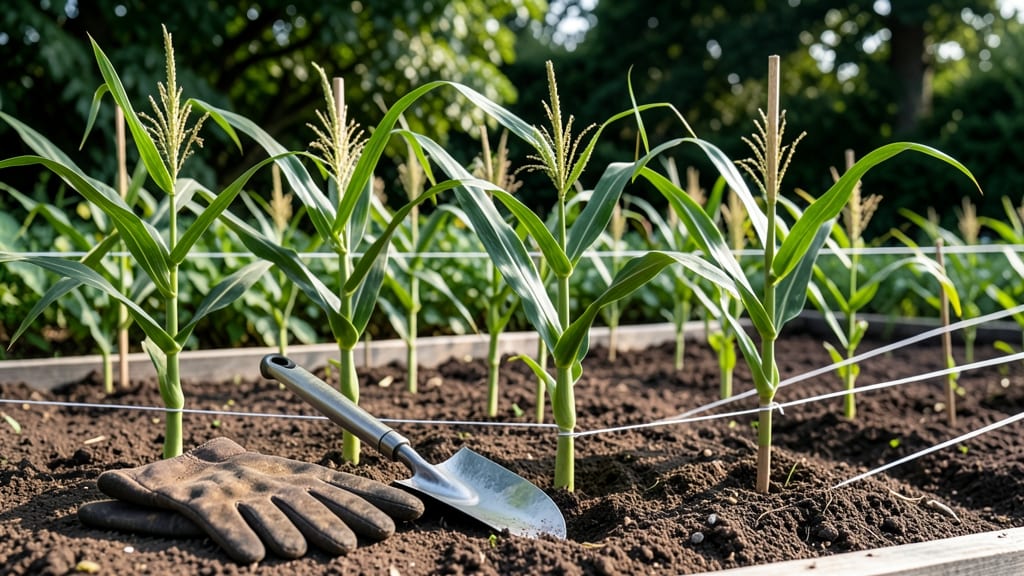
Sweet corn seed spacing isn't just about dropping kernels in the dirt—it's the secret to bushy plants, perfect ears, and fewer empty husks. 🌽 I learned this the hard way when my first corn patch produced more stalks than ears, all because the plants were too crowded.
The right spacing ensures every plant gets sunlight, air, and room to grow strong roots, which means more pollination and fewer diseases.
For most sweet corn varieties, aim for 36-inch rows spaced 12-18 inches apart, with seeds planted 1-2 inches deep and 4-6 inches apart within the row. Dwarf varieties can handle closer spacing (around 3 inches apart), while standard varieties need that extra room to avoid competition.
Soil prep matters too—loosen the top 6-8 inches and mix in compost to give roots a head start.
When done right, you’ll see taller, sturdier stalks with plump, well-pollinated ears by midseason. The plants will stand strong against wind, and airflow reduces the risk of fungal diseases like rust or blight. This isn’t just theory—my second attempt yielded three times more ears than my first crowded mess.
Works for home gardens, small farms, or even container growing (with dwarf varieties). The key is consistency—measure twice, plant once. Ready to turn your corn patch from scraggly to spectacular?
📚 In This Guide
- What you need
- Instructions
- Tips and common mistakes
- Wrapping up and next steps
What you need
- ● Sweet corn seeds: Choose high-quality, disease-resistant varieties (e.g., Silver Queen, Ambrosia, or Peaches and Cream). Buy 1–2 lbs per 100 ft² for optimal spacing.
- ● Garden soil or potting mix: Well-draining, nutrient-rich soil with a pH of 6.0–7.0. Amend with compost (2–3 inches) for fertility.
- ● Planting marker flags or stakes: 100+ flags (or DIY popsicle sticks) to mark seed rows for precision spacing.
- ● Measuring tape or ruler: For accurate 12–15 inch spacing between seeds and 24–36 inch spacing between rows.
- ● Hand trowel or dibble: A small, pointed tool to create 1-inch-deep holes for seeds.
- ● Watering can or hose with a gentle spray nozzle: For post-planting hydration without disturbing seeds.
- ○ Fertilizer (optional but recommended): Balanced 10-10-10 or 5-10-10 fertilizer (1 tbsp per planting hole).
- ● OR organic options like composted manure or fish emulsion (follow package rates).
- ● Row cover or mulch: Black plastic mulch or straw to suppress weeds and retain moisture.
- ● Trellis or stakes: For tall varieties (e.g., Country Gentleman) to support heavy ears.
- ● Seedling heat mat: If starting indoors in cool climates (60–70°F ideal for germination).
- ● Pest deterrents: Row covers for early planting or neem oil spray for aphids/corn earworms.
Instructions for planting sweet corn with perfect spacing
Here's how I ensure every ear develops fully with room to breathe and pollinate.
🌱 Step 1: Plan Your Planting Layout for Optimal Airflow
Sweet corn thrives in blocks, not rows—this creates windbreaks and ensures better pollination. For a 4-plant yield, arrange seeds in a 2x2 square rather than a straight line. Each plant needs 12-18 inches of space between neighbors, so a 2-foot square gives perfect airflow while maximizing pollination.
Sketch your garden bed first. Corn plants grow 6-8 feet tall, so leave 3 feet between blocks if planting multiple squares. I mark planting spots with sticks or a garden flag—corn seeds are tiny, and misplaced holes mean wasted seeds.
🌱 Step 2: Plant Seeds at the Correct Depth and Temperature
Corn seeds germinate best in soil that's 60-65°F, so wait until nighttime temperatures stay above 55°F—any cooler and seeds rot in the ground. Plant 1-1.5 inches deep, pressing two seeds per hole 1 inch apart. The reason? Corn seeds have low germination rates, and planting two ensures at least one strong sprout.
Thin to the strongest seedling once they reach 4-6 inches tall. I use a small trowel to gently remove the weaker sprout, leaving the one with the thickest stem. Don't pull—twist to avoid damaging roots. Water gently after thinning to settle the soil.
☀️ Step 3: Maintain Consistent Moisture and Monitor Growth Stages
Corn needs 1-1.5 inches of water weekly, but keep soil evenly moist—not soggy. I check by pressing my finger 1 inch into the soil—if it feels dry, water deeply. Too much water causes stalk rot; too little means poor ear development. Mulch with 2-3 inches of straw after seedlings emerge to retain moisture and suppress weeds.
Watch for the tassel stage—when the top leaves unfurl and reveal a long, feathery flower cluster. This is when pollination happens. If your block is small, you may need to hand-pollinate by shaking tassels gently over silks in the morning. I do this for 2-3 days to ensure every ear sets properly.
✂️ Step 4: Harvest at Peak Ripeness for Sweetest Corn
Corn is ready when silks turn brown and kernels are milky white when pierced with a fingernail. I harvest on a dry morning, cutting stalks 6-8 inches above the ground with a sharp knife. Don't wait too long—kernels turn starchy and sweetness fades within 2-3 days of peak ripeness.
For a 4-plant yield, expect 2-4 ears per plant if pollination was successful. Store unshucked ears in the fridge for up to a week, or blanch and freeze for long-term storage. The key to great corn? Spacing that lets every plant thrive without competing for sunlight or nutrients.
Tips & tricks for perfect sweet corn planting
These precision planting strategies will help you maximize your harvest and avoid common gardening pitfalls.
Layout Precision: When creating your 2x2 square planting block, use a simple string-and-stakes method to ensure perfect 12-18 inch spacing between plants. I stretch a string between two stakes and mark the 18-inch intervals with small flags—this guarantees uniform spacing that prevents crowding. The 2-foot square gives each plant enough room to develop strong stalks without competing for sunlight or nutrients, which is crucial for that 4-plant yield you're aiming for.
Temperature Timing: Don't rush planting when soil temperatures dip below 60°F—corn seeds need that consistent 60-65°F range to germinate properly. I use a soil thermometer to check temperatures in the morning and evening. Remember, nighttime temps above 55°F are critical for preventing seed rot. If your spring is unpredictable, consider using a cold frame or black plastic mulch to warm the soil faster. The investment pays off with stronger, healthier plants.
Thinning Technique: When thinning your seedlings to the strongest sprout at 4-6 inches tall, I've found that timing matters more than you'd think. Wait until you can clearly see which seedling is stronger—don't rush this step. Use a small trowel to gently loosen the soil around the weaker sprout before twisting it out. This prevents damaging the roots of your remaining plant. The key is patience—rushing can stress both plants and reduce your overall yield.
Pollination Assistance: For that critical 2-3 day hand-pollination period during tassel stage, I've developed a simple trick: use a small paintbrush to gently transfer pollen from tassels to silks in the morning when humidity is lowest. This ensures better pollen transfer than shaking alone. Focus on the central ears first—they'll set first and give you the sweetest corn. The extra effort here directly impacts your final harvest quantity and quality.
Pro Tips for Sweet Corn Seed Spacing
- These precision planting strategies will help you maximize your harvest and avoid common gardening pitfalls.
- Layout Precision: When creating your 2x2 square planting block, use a simple string-and-stakes method to ensure perfect 12-18 inch spacing between plants.
- Temperature Timing: Don't rush planting when soil temperatures dip below 60°F—corn seeds need that consistent 60-65°F range to germinate properly.
Frequently asked questions
Got questions about sweet corn seed spacing? You’re not alone!
Whether you’re a first-time gardener or a seasoned pro, proper spacing ensures healthy plants, better yields, and fewer pests. Here are some of the most common questions—and expert answers—to help you plant with confidence.
What’s the ideal distance between sweet corn seeds?
For most varieties, plant seeds 1–1.5 inches deep and space them 4–6 inches apart in rows. If you’re growing bush-type corn, rows should be 18–24 inches apart. For supertall varieties, widen rows to 30–36 inches to allow airflow and prevent disease.
When is the best time to plant sweet corn seeds?
Sweet corn thrives in warm soil—wait until after the last frost when soil temps reach 60°F+. In cooler climates, start seeds indoors 4–6 weeks before transplanting (use biodegradable pots to avoid root disturbance). For a fall harvest, plant 8–10 weeks before the first frost in your zone.
Can I plant sweet corn seeds too close together?
Yes, and it’s a common mistake! Overcrowding leads to poor airflow, which invites fungal diseases like gray leaf spot or rust. Plants also compete for nutrients, resulting in smaller ears or stunted growth. Thin seedlings to the recommended spacing 2–3 weeks after germination to give them room to shine.
What if I don’t have enough space for wide rows?
No problem! If space is tight, try interplanting with shallow-rooted crops like beans, lettuce, or radishes. Alternatively, grow bush corn varieties (like ‘Silver Queen’ or ‘Peaches and Cream’) in containers or raised beds with rows just 12–18 inches apart. Just ensure each plant still has 4–6 inches of in-row spacing.
Why do my sweet corn plants look weak even with proper spacing?
Weak plants often signal nutrient deficiencies (especially nitrogen or potassium), overwatering, or pest pressure. Check soil moisture—corn needs 1–1.5 inches of water weekly. For pests, handpick corn earworms or use row covers early in the season. If leaves yellow, test soil pH (ideal: 6.0–6.8) and amend with compost or fertilizer.
Wrapping up and next steps
Mastering sweet corn seed spacing is your secret weapon for a bountiful harvest! By following the right spacing guidelines—whether for single, twin, or triple rows—you’ll ensure optimal airflow, sunlight exposure, and disease prevention. Your garden is ready for success—now it’s time to plant with confidence!
Ready to take the next step? Sketch your garden layout and mark your planting zones based on the spacing tips above. Grab your seeds, tools, and a sunny day—your sweet corn adventure starts now! 🌱✨