
Size
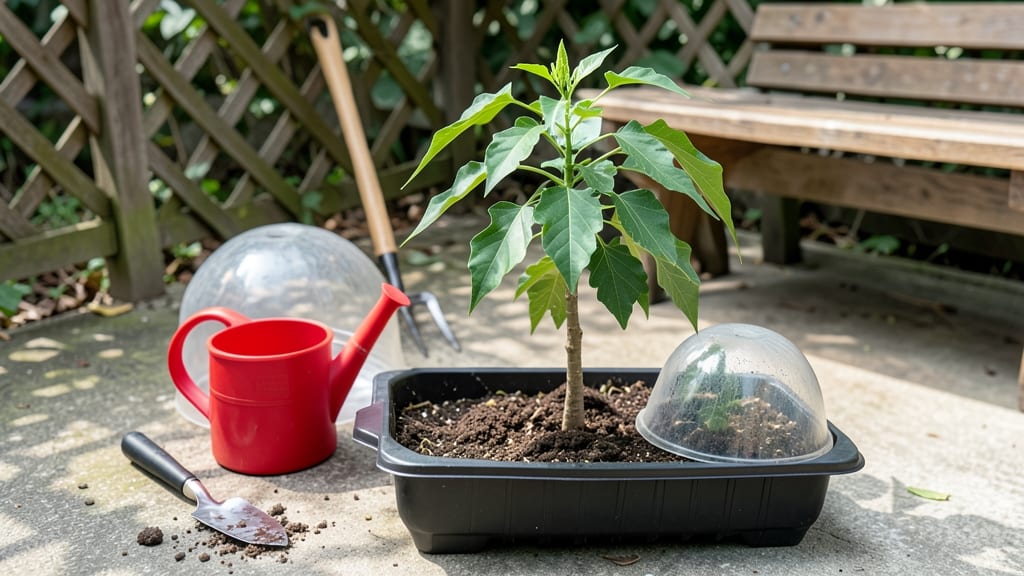
Growing a garden from a starfruit seed lets you taste tropical fruit without the grocery store markup. 🌱 The seeds inside those star-shaped fruits hold the potential for a small tree that, with time and care, could produce your own harvest.
My first attempt took three years to fruit—but that first bite made every season of waiting worth it.
You’ll need a sunny spot (or bright indoor light), well-draining soil, and patience for a tree that starts small but grows steadily. Starfruit thrives in zones 10-12, but you can grow it indoors in pots almost anywhere.
The key is keeping the soil moist but not soggy during germination, then letting the young tree develop strong roots before transplanting.
By year three, you’ll see the first star-shaped leaves and, with luck, tiny flowers. The real magic happens when those flowers turn into fruit—sweet, crunchy, and packed with vitamin C. Even if fruiting takes years, the journey of watching a kitchen scrap become a living tree is rewarding in itself.
Indoor growers can extend the season with grow lights, while outdoor gardeners in warm climates can plant directly in the ground. Just remember: starfruit trees grow slowly, but the payoff of homegrown tropical fruit makes the wait worthwhile.
📚 In This Guide
- What you need
- Instructions
- Tips and common mistakes
- Wrapping up and next steps
What you need
- ● Starfruit seeds: 3–5 fresh, plump seeds (harvested from ripe, organic starfruit—avoid store-bought fruit treated with preservatives).
- ● Seed-starting mix: 2–3 cups of well-draining, sterile potting soil (look for a mix labeled for seedlings or tropical plants).
- ● Small seed trays or pots: 2–4 biodegradable pots (3–4 inches in diameter) or a seed-starting tray with individual cells.
- ● Plastic wrap or humidity dome: To create a mini greenhouse effect and retain moisture.
- ● Spray bottle: For gentle watering (avoid over-saturating the soil).
- ● Grow lights or sunny windowsill: A warm, bright spot (70–80°F) with indirect light or a grow light for 12–14 hours daily.
- ○ Heat mat (optional but helpful): A seedling heat mat to maintain consistent warmth (75–85°F) if your home is cool.
- ● Larger pots (1–2 gallons): For transplanting seedlings once they’re 4–6 inches tall.
- ● Balanced fertilizer: A diluted liquid fertilizer (like 10-10-10) for young plants, applied every 4–6 weeks.
- ● Pruning shears: For shaping the tree as it grows (sterilize with rubbing alcohol between cuts!).
- ● Support stake or trellis: Once the tree reaches 3–4 feet, to help it stand upright.
- ● 🌡️ Temperature matters: Starfruit seeds germinate best in warm conditions—aim for 75–85°F.
- ● ✨ Patience is key: Germination can take 2–4 weeks (or longer), so stay consistent with care!
- ● 🌱 Outdoor prep: If planting outside, wait until the last frost and choose a location with full sun (6+ hours daily) and well-draining soil.
Step-by-Step instructions for growing starfruit trees from seed
Turn those starfruit scraps into a thriving tropical tree with this simple, foolproof method.
🌱 Step 1: Extract and Prepare the Seeds
Cut open a fresh starfruit and carefully remove the seeds—you’ll need about 4 seeds to start. Rinse them under cool water to remove any fruit residue, then let them dry on a paper towel for 24 hours. This prevents mold and ensures a clean start.
Here's the thing—starfruit seeds germinate best when fresh. If you’re working with seeds older than a week, soak them in lukewarm water for 12 hours first. You’ll know they’re ready when the outer coating softens slightly and the seed feels slightly heavier.
🪴 Step 2: Fill Pots and Plant the Seeds
Use 4-inch diameter pots filled with a mix of 50% well-draining potting soil and 50% perlite or coarse sand. This keeps roots aerated and prevents rot—starfruit trees hate soggy soil. Press the mix down gently, leaving about ½ inch of space at the top.
Plant each seed ½ inch deep, spacing them evenly in their pots. Water lightly until the soil is moist but not soggy. Cover the pots with clear plastic wrap to create a mini greenhouse effect, which speeds up germination. Place them in a warm spot—75-85°F is ideal—like on top of your fridge or near a sunny window.
☀️ Step 3: Germinate and Care for Sprouts
Keep the soil consistently moist but never waterlogged. You’ll see tiny sprouts in 2-4 weeks, though some seeds may take up to 6 weeks—patience is key. Once the first true leaves appear (not the initial seed leaves), remove the plastic wrap to prevent fungal growth.
Move the pots to a bright, indirect light spot. Starfruit trees love warmth but need gentle light at first—direct sun can scorch young seedlings. Rotate the pots every few days so the seedlings grow straight instead of leaning toward the light.
🌿 Step 4: Transplant and Support Growth
After 4-6 weeks, when seedlings have 3-4 sets of true leaves, it’s time to transplant them into 6-inch pots with the same soil mix. Handle the seedlings gently—starfruit roots are delicate. Water them thoroughly after transplanting to help settle the soil around the roots.
Fertilize lightly with a balanced, water-soluble fertilizer (like 10-10-10) every 4 weeks once the seedlings are established. Starfruit trees grow slowly at first, but with consistent care, they’ll develop into sturdy young trees in 6-12 months. Watch for new growth—healthy leaves should be glossy and deep green.
⏰ Step 5: Prepare for Outdoor Transition
When temperatures stay above 55°F at night, you can start hardening off your seedlings. Place them outside in a shaded, sheltered spot for 1-2 hours the first day, gradually increasing their time outdoors over 2 weeks. This helps them adjust to wind and sun without shock.
Once they’ve acclimated, plant them in the ground or 10-gallon containers if you’re growing in a warm climate. Starfruit trees thrive in USDA Zones 10-12 but can be grown in pots and brought indoors during winter in cooler areas. Mulch around the base to retain moisture and keep roots cool.
Tips & tricks for growing starfruit trees from kitchen scraps
Real talk: Growing a starfruit tree from seed is one of those rewarding projects where small details make all the difference. Here's what I learned after watching my first batch of seeds struggle—and how to avoid those same pitfalls.
Seed Freshness Matters: That 24-hour drying time in Step 1 isn't just about preventing mold—it's about giving fresh seeds their best shot. If you're working with seeds older than a week, the 12-hour lukewarm water soak is non-negotiable. I've seen seeds that looked perfectly fine germinate poorly until I tried this step. The slight softening of the outer coating is your cue that they're ready to plant.
Soil Mix Secrets: The 50/50 blend of potting soil and perlite/sand in Step 2 might seem simple, but here's what nobody tells you—starfruit roots are particularly sensitive to compaction. After pressing the mix down, run your finger through it one last time to break up any clumps. This creates tiny air pockets that prevent rot, which is especially important since starfruit trees hate soggy conditions.
Light Transition Strategy: When you move those seedlings to bright, indirect light in Step 3, think of it like sun protection for your plants. Start with morning sun only for the first week, then gradually introduce afternoon light. I've seen seedlings burn within hours when moved directly to full sun. That glossy deep green you're aiming for? It's your reward for patience with the light transition.
Transplant Timing: The 4-6 week window for transplanting in Step 4 is your sweet spot—wait too long and you risk root binding, but move too early and the delicate roots can't support themselves. Look for those 3-4 sets of true leaves as your signal, but also check the roots: if they're circling the bottom of the pot, it's definitely time. Gently tease them apart when transplanting to encourage outward growth.
Pro Tips for Starfruit Seed Grow A Garden
- Real talk: Growing a starfruit tree from seed is one of those rewarding projects where small details make all the difference.
- Seed Freshness Matters: That 24-hour drying time in Step 1 isn't just about preventing mold—it's about giving fresh seeds their best shot.
- Soil Mix Secrets: The 50/50 blend of potting soil and perlite/sand in Step 2 might seem simple, but here's what nobody tells you—starfruit roots are particularly sensitive to compaction.
Frequently asked questions
Got questions about growing starfruit from seeds? You’re not alone!
Here are answers to the most common queries—from germination tips to troubleshooting—so you can grow your own tropical fruit tree with confidence.
How long does it take for starfruit seeds to germinate?
Starfruit seeds typically germinate in 2–4 weeks when kept warm (70–85°F) and moist. Soak seeds for 24 hours before planting to speed up the process. Patience is key—some seeds may take up to 6 weeks! Use a heat mat if your climate is cool.
Can I grow starfruit from a grocery store seed?
Yes, but with a caveat: Store-bought starfruit seeds may not produce fruit identical to the parent plant (they’re often hybrid varieties). For better results, source seeds from a verified tropical fruit tree nursery or save seeds from a homegrown fruit. If you’re just experimenting, grocery seeds work fine for a leafy houseplant!
How cold can a starfruit tree tolerate?
Starfruit trees (Averrhoa carambola) are tropical and thrive in USDA zones 10–12. They’ll die in frost (<32°F), but young seedlings can handle brief dips to 35°F if acclimated. Grow in containers for mobility, or protect outdoor plants with frost cloth. In colder climates, keep them as houseplants and move outside in summer.
Why aren’t my starfruit seeds sprouting?
Common culprits:
- Dry seeds: Starfruit seeds need consistent moisture—keep soil damp (not soggy).
- Cold temps: Use a seedling heat mat (60–70°F ideal).
- Old seeds: Fresh seeds sprout better; store-bought seeds may be <1 year old.
- Low oxygen: Avoid over-potting; use well-draining soil.
How big does a starfruit tree get, and can it grow in a pot?
Mature starfruit trees reach 15–25 feet tall outdoors but stay manageable (<10 ft) in containers. For potted growth:
- Use a 5-gallon pot minimum (larger = slower root bound).
- Choose a fast-draining mix (cactus/succulent blend + perlite).
- Fertilize monthly with citrus-friendly nutrients (high potassium for fruit).
- Rotate pots for even sunlight—starfruit needs 6+ hours daily.
Wrapping up and next steps
Growing a starfruit tree from seed is a rewarding journey that transforms kitchen scraps into a thriving tropical treasure! 🌱 With patience, the right conditions, and a little care, you’ll enjoy lush foliage—and eventually—sweet, star-shaped fruit.
Whether you’re a beginner or a green thumb, this project is a fantastic way to connect with nature while adding a unique plant to your garden.
Ready to take the next step? Start by planting your seeds today and keep nurturing them with love. Before you know it, your starfruit tree will be a stunning centerpiece in your outdoor space—or even a conversation starter! Happy growing! 🌟