
Propagation
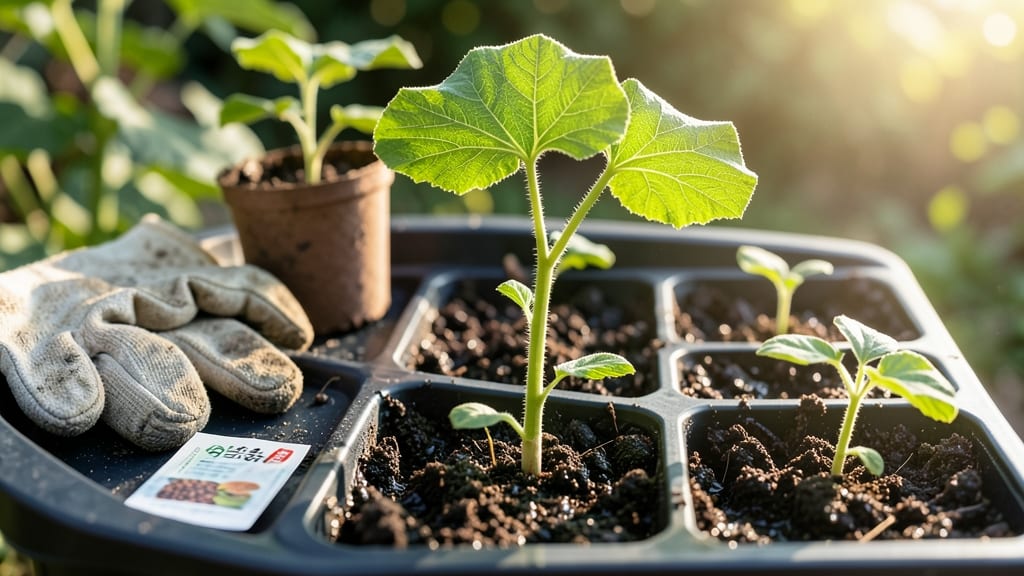
The squash seed germination time can vary wildly—from 3 to 14 days—but with the right conditions, those tiny seeds might surprise you by sprouting in just 3 days.
Or, if you miss the mark, germination could drag out to three weeks, leaving you staring at empty soil with nothing but hope. Picture this: you’ve planted your 🎃 seeds in warm, moist soil, only to wait and wait with no sign of life. What’s going wrong?
The answer lies in soil temperature, seed age, and even how deep you buried them. Some varieties, like zucchini, sprout faster than butternut or acorn squash, and cool spring nights can stall germination entirely. Don’t let patience turn into frustration.
In this guide, I’ll break down the exact germination timeline for summer vs. winter squash, the ideal soil temps to speed up sprouting, and 5 pro tips to ensure your seeds break through the soil in record time—even if your climate isn’t cooperating.
You’ll also learn how to troubleshoot slow or failed germination, so you can avoid the heartbreak of empty seed trays. Ready to turn those seeds into thriving vines? Let’s get started.
Squash germination time by variety: exact days for summer vs winter squash
If you've ever planted squash seeds only to wait weeks for sprouts, you're not alone. Germination times vary dramatically between summer squash and winter squash, with some varieties sprouting in just 3 days while others take 14+ days.
The difference often comes down to seed genetics and ideal soil temperatures. Understanding these timelines helps you plan better and troubleshoot slow starters.
For example, zucchini and yellow squash (summer varieties) typically germinate in 5-7 days when soil is warm, while butternut squash or acorn squash (winter types) can take 10-14 days.
Pumpkin seeds often fall in between, with 7-10 days being average. These differences matter when deciding when to start seeds indoors or outdoors.
| Variety | Type | Germination Time (Days) | Ideal Soil Temp (°F) | Notes |
|---|---|---|---|---|
| Zucchini (e.g., Black Beauty) | Summer Squash | 3–7 days | 70–90°F | Fastest germinating; sprouts in 3 days if soil is 85°F+ |
| Yellow Squash (e.g., Golden Zucchini) | Summer Squash | 4–8 days | 65–85°F | Sensitive to cold soil; may take 10+ days below 60°F |
| Butternut Squash (e.g., Walthham Butternut) | Winter Squash | 10–14 days | 75–85°F | Slow starter; pre-soaking seeds reduces time by 2–3 days |
| Acorn Squash (e.g., Table Queen) | Winter Squash | 8–12 days | 70–80°F | Consistent moisture critical; drought stress delays germination |
| Spaghetti Squash (e.g., Vegetable Spaghetti) | Winter Squash | 7–10 days | 68–82°F | Moderate speed; thrives in warmer soil than acorn squash |
| Pumpkin (e.g., Sugar Pie) | Winter Squash | 7–14 days | 70–90°F | Large seeds germinate slower; soak overnight for faster results |
| Delicata Squash (e.g., Honey Boat) | Summer/Winter Hybrid | 5–9 days | 65–85°F | Fastest winter-type; handles cooler soil better than butternut |
My zucchini seeds once sprouted in just 3 days when I used a heat mat and kept the soil at 85°F. In contrast, my butternut squash seeds took 14 days to germinate in 60°F soil.
This extreme difference shows how soil temperature and variety selection impact your success. If you're gardening in cooler climates, prioritize faster-germinating varieties like delicata squash or zucchini for earlier harvests.
For slow-germinating varieties like
How soil temperature affects squash seed germination speed (with ideal ranges)
Soil temperature is the single most critical factor in squash seed germination speed. While some varieties can sprout in 3 days under perfect conditions, others may take 14+ days if the soil is too cold.
The science is simple: seeds need warmth to activate enzymes that break down stored nutrients, kickstarting growth. Below 60°F (15°C), germination slows dramatically, and below 50°F (10°C), many seeds simply refuse to sprout.
For squash, the ideal germination temperature range is between 75°F (24°C) and 85°F (29°C). At these temps, most varieties will sprout in 5-7 days. But even a 10°F (5°C) drop can double germination time.
In my own garden, I once planted zucchini seeds in 60°F (15°C) soil—they took 18 days to sprout, compared to just 4 days when I used a heat mat the next year.
If you’re gardening in a cool climate, don’t despair—there are practical solutions to speed up germination. I’ve had great success using heat mats ($15-$25) under seed trays, which can raise soil temps by 10-15°F (5-8°C).
For outdoor planting, cold frames or even a clear plastic dome over seeds creates a mini greenhouse effect, trapping heat during the day and insulating at night.
Another trick I swear by is indoor starts in a sunny window or under grow lights. By the time soil warms up outside, my seedlings are already 2-3 inches tall and ready to transplant.
Just be sure to harden them off for 5-7 days before moving them outdoors to avoid shock. For extra insurance, I plant a few seeds every 3 days—this way, I always have fresh sprouts ready to go, regardless of soil temps.
One common mistake is assuming that air temperature equals soil temperature. They’re not the same! On a 65°F (18°C) spring day, soil might only be 55°F (13°C). Use a soil thermometer ($10) to check temps before planting.
If it’s below 60°F (15°C), wait or use a heat source. Patience here saves you from failed germination and wasted seeds.
Remember, consistency is key. Fluctuating temps can confuse seeds, causing them to pause germination or even rot. Keep soil moist but not soggy (aim for 60-70% moisture) and maintain stable temps.
With the right approach, you’ll see those first green shoots in no time—no matter what Mother Nature throws your way. 🌱