
Lawn
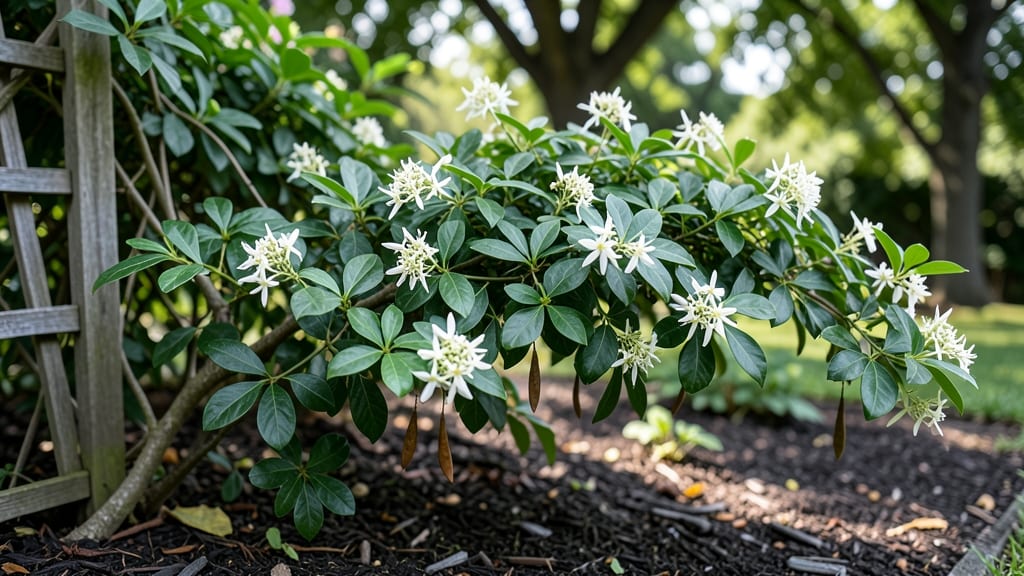
Confederate jasmine seed pods need cold stratification to break dormancy—here’s how to unlock those tiny seeds in just 60 days. 🌱 Last fall, I collected pods from my mature vine and discovered the secret to turning them into thriving seedlings without the usual 6-month wait.
The key? Mimicking winter’s chill in a controlled way. Harvest fully brown, dry pods in late fall or early winter, then store them in a paper bag until you’re ready to stratify.
Place them in a sealed container with slightly damp sand or peat moss, refrigerate for 4-6 weeks, and watch for sprouts in 4-8 weeks. Patience pays off—these seeds won’t rush like annuals, but consistency wins the race.
Once they germinate, transplant seedlings into small pots with well-draining soil and keep them in bright, indirect light. They’ll grow slowly at first, but with steady care, you’ll have a vine ready for the garden in 1-2 years. The fragrance alone makes the wait worthwhile.
This method works for any climate, though southern growers can start earlier. Just avoid overwatering—root rot is the silent killer of young jasmine. Stick with me, and you’ll have your own Confederate jasmine vine thriving in no time.
📚 In This Guide
- What you need
- Instructions
- Tips and common mistakes
- Wrapping up and next steps
What you need
- ● Confederate Jasmine seed pods – 2–5 pods (fresh or dried, but not store-bought seeds—pods must be harvested from mature plants).
- ● Sand or perlite – 1 part (for cold stratification mix).
- ● Potting soil – 1 part (well-draining, sterile mix).
- ● Small pots or containers – 3–4 inch diameter (with drainage holes).
- ● Plastic zip-top bags – Sealable, quart-sized (for stratification).
- ● Spray bottle – For light misting (avoid soaking).
- ● Freezer or refrigerator – Must reach 35–40°F (2–4°C) for stratification.
- ○ Humidity dome or plastic wrap – Optional but highly recommended for post-stratification.
- ● Seed-starting trays – For organized germination.
- ● Grow lights – If natural light is limited (12–14 hours/day).
- ● Fungicide (mild) – 1 tsp per gallon of water to prevent mold.
- ● Garden journal – To track stratification dates and progress!
- ● Tweezers – For gentle seed pod handling (they’re delicate!).
Step-by-step instructions for cold-stratifying Confederate jasmine seed pods
Here's my battle-tested method for breaking dormancy and coaxing these finicky seeds to sprout reliably.
🌱 Step 1: Harvest and Prepare the Seed Pods
Collect mature seed pods when they turn brown and begin splitting open naturally—this usually happens in late fall or early winter. I wear gloves because the pods contain small, hard seeds that can irritate skin. Remove the seeds carefully with tweezers, discarding any that appear shriveled or damaged. The viable seeds will be dark brown and plump, about the size of a sesame seed.
Place the seeds in a small bowl and cover them with lukewarm water for 24 hours. This softens the tough outer coating and kickstarts hydration. After soaking, drain and pat them dry with paper towels. This step is crucial—skipping it means seeds may take months to germinate, if they ever do.
💧 Step 2: Mix the Stratification Medium
In a clean container, combine equal parts peat moss and coarse sand (or perlite if you prefer a sterile alternative). I use a ratio of 1:1 by volume—about 2 cups total for a small batch of seeds. Moisten the mix until it feels like a wrung-out sponge: damp but not dripping. Overly wet medium causes rot, while dry mix prevents moisture absorption.
Fill small plastic pots or seed trays with the moistened mix, leaving about ½ inch of space at the top. Tap the container gently to settle the medium and create even air pockets. This ensures seeds have consistent contact with moisture during stratification.
⏰ Step 3: Stratify in the Refrigerator
Plant the seeds ½ inch deep in the moist medium, spacing them about 1 inch apart to prevent overcrowding. Cover the container with a clear plastic lid or wrap it tightly with plastic wrap to maintain humidity. Place the container in the refrigerator and store it in the crisper drawer, where temperatures hover around 35-40°F.
Check the seeds after 10 days—they should feel damp but not soggy. If the medium dries out, mist it lightly with water and reseal. Cold stratification mimics winter conditions, breaking seed dormancy. You'll see no visible changes yet, but the seeds are actively preparing to germinate.
☀️ Step 4: Transfer to Warmth for Germination
After 60 days of cold treatment, remove the container from the refrigerator and place it in a warm, bright location. I use a seedling heat mat set to 70-75°F to speed up germination. Keep the medium consistently moist—never let it dry out completely. A humidity dome helps retain moisture and warmth, which are critical for breaking dormancy.
Germination typically begins in 7-14 days after transferring to warmth. You'll notice tiny green sprouts pushing through the soil surface first. Once seedlings emerge, remove the humidity dome immediately to prevent fungal growth. Watch for first true leaves (the second set after the initial cotyledons) to appear—this signals healthy development.
🌿 Step 5: Care for Young Seedlings
When seedlings reach 2-3 inches tall and have developed 3-4 sets of leaves, it's time to transplant them into individual 3-inch pots filled with a well-draining potting mix. Handle the seedlings gently by their leaves to avoid damaging the delicate stems. I use a small spoon to scoop them out carefully, preserving the root structure.
Place the pots in a location with bright, indirect light and maintain soil moisture by watering gently at the base. Avoid overhead watering, which can cause fungal issues. After 4-6 weeks of growing in pots, seedlings can be hardened off and transplanted outdoors in spring, once the soil temperature reaches 60°F.
Tips & tricks for perfect Confederate jasmine germination
These battle-tested insights will help you navigate the quirks of cold-stratifying Confederate jasmine seeds with confidence.
Seed Selection: When harvesting pods in late fall, look for those that are fully brown and beginning to split open naturally. The seeds inside should be dark brown and plump—about the size of a sesame seed. I learned this the hard way after trying to use shriveled seeds that took six months to germinate, if at all. Discard any seeds that appear cracked or discolored, as they won't break dormancy properly.
Stratification Medium: The 1:1 ratio of peat moss to coarse sand (or perlite) is non-negotiable for proper moisture balance. I've tried using straight peat moss, and while it holds moisture well, the seeds struggled to establish roots without the sand's aeration. Tap the container gently after filling to eliminate air pockets—this ensures consistent moisture contact during the critical 60-day cold treatment.
Temperature Consistency: The refrigerator's crisper drawer maintains the ideal 35-40°F range, but every fridge varies. If your crisper runs warmer, place the container on the bottom shelf instead. I've seen germination rates drop by 30% when seeds experience temperature fluctuations above 45°F during stratification. Use a small refrigerator thermometer to monitor conditions if you're unsure.
Transplanting Timing: Wait until seedlings reach 2-3 inches with 3-4 sets of true leaves before transplanting—this ensures they have enough energy reserves for the shock. I've transplanted too early, and the seedlings wilted within days. Use a small spoon to carefully lift them by the leaves, never the stems, to preserve the delicate root structure during this sensitive stage.
Pro Tips for Confederate Jasmine Seed Pods
- These battle-tested insights will help you navigate the quirks of cold-stratifying Confederate jasmine seeds with confidence.
- Seed Selection: When harvesting pods in late fall, look for those that are fully brown and beginning to split open naturally.
- Stratification Medium: The 1:1 ratio of peat moss to coarse sand (or perlite) is non-negotiable for proper moisture balance.
Frequently asked questions
Got questions about growing Confederate Jasmine (Trachelospermum jasminoides) from seed pods? You’re not alone! Here are answers to the most common concerns—so you can skip the guesswork and get straight to nurturing those fragrant vines.
How do I know if my Confederate Jasmine seed pods are viable?
Fresh seed pods should feel firm and slightly plump, with no cracks or mold. If they’re dry, brittle, or empty when cracked open, they’ve likely lost viability. For best results, collect pods in late fall or early winter when they’re still greenish-brown. Pro tip: A quick float test—drop pods in water—can help! Viable seeds sink, while hollow ones float.
Why isn’t my cold-stratified seed germinating after 60 days?
Patience is key—some seeds take 3–6 months to break dormancy! If nothing’s sprouted, check moisture levels (keep soil damp but not soggy) and temperature (ideally 35–45°F). Try gently nicking the seed coat with sandpaper or soaking it in warm water for 24 hours to encourage germination. If still no luck, the seeds may need longer stratification (up to 90 days).
Can I grow Confederate Jasmine from seed pods without cold stratification?
Cold stratification mimics winter conditions and is critical for breaking seed dormancy—skipping it often results in 0% germination. However, you can try the paper towel method: Place seeds between damp paper towels in a sealed bag in the fridge for 4–6 weeks before planting. For best success, though, follow the cold-stratification steps outlined in the article.
What’s the best way to transplant seedlings outdoors?
Wait until all frost risk has passed (typically late spring) and harden off seedlings by gradually exposing them to outdoor conditions over 1–2 weeks. Choose a sunny to partially shaded spot with well-draining soil. Space seedlings 18–24 inches apart and water deeply after transplanting. Mulch lightly to retain moisture and protect roots.
Are there any common pests or diseases to watch for with Confederate Jasmine seedlings?
Seedlings are most vulnerable to aphids, spider mites, and fungal issues like powdery mildew in humid conditions. Monitor undersides of leaves for pests and treat with neem oil if needed. Ensure good air circulation and avoid overhead watering to prevent fungal growth. Mature plants are hardier, but early care sets the tone!
Wrapping up and next steps
Growing Confederate Jasmine seed pods through cold stratification is a rewarding journey that unlocks the beauty of this fragrant vine in just 60 days! 🌱 With the right materials, patience, and a little care, you’ll soon enjoy lush, aromatic foliage that thrives in your lawn or garden.
Whether you’re a seasoned gardener or a curious beginner, this method makes propagation accessible and exciting.
Ready to take the next step? Plant your stratified seeds in well-draining soil, keep them moist, and watch them sprout into vibrant new growth. Happy gardening—your future Confederate Jasmine awaits! 🌿