
Propagation
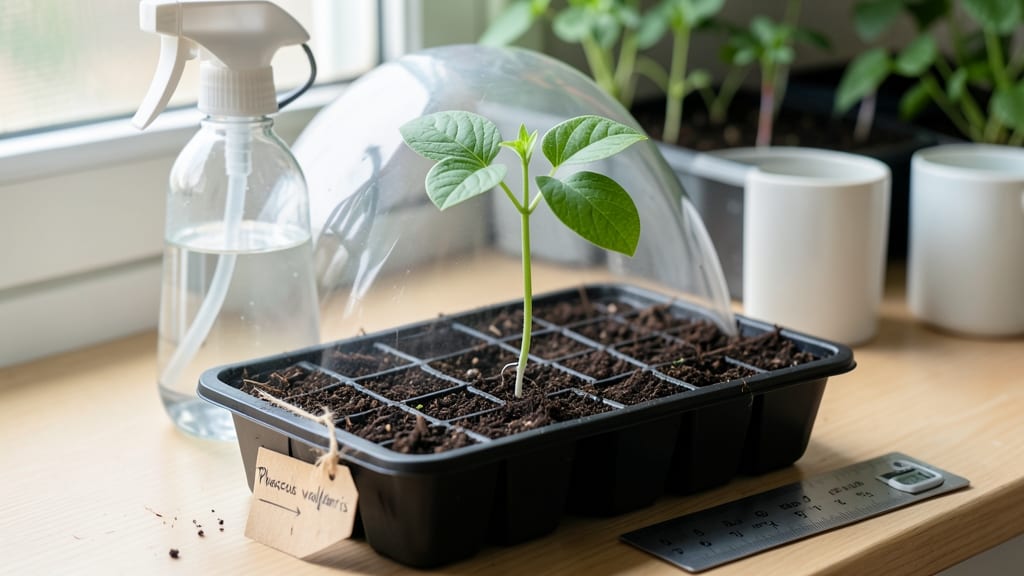
Soybean seed germination at a 90% success rate starts with the right moisture, temperature, and timing—three factors that make all the difference between a thriving crop and a wasted packet.
Struggling with soybean seeds that refuse to sprout? The secret to 90% germination success lies in mastering moisture, temperature, and timing—three critical factors most gardeners overlook. Too dry, and they won’t wake up; too hot, and they’ll rot before they even think about sprouting.
Get it right, though, and you’ll see those first green shoots in just 5–10 days.
Soybeans in USDA Zone 6a need soil that stays consistently moist but not soggy, paired with warmth between 68–86°F for the fastest results. Plant them 1–1.5 inches deep in loose, well-draining soil after your last frost—usually by April–May—and keep them hydrated without drowning them.
Skip these steps, and you’re setting yourself up for disappointment.
Inside, I’ll walk you through the exact moisture levels, temperature tricks, and planting techniques that turn flimsy seeds into strong, healthy 🌱 seedlings—plus how to troubleshoot when things go wrong. Ready to grow soybeans like a pro?
Soybean germination requirements: moisture, temperature & soil conditions
If you're planting soybean seeds and watching them fail to sprout, you're not alone—most gardeners miss the three key germination triggers: moisture, temperature, and soil conditions.
Soybeans need precise care to break dormancy and emerge consistently. Let's dive into the exact requirements that will give you 90%+ germination success.
First, moisture control is your secret weapon. Soybeans require 1.5–2 inches of water per week during germination, but overwatering can suffocate seeds. Think of it like a damp sponge—not soggy, just consistently moist.
Use a moisture meter or stick your finger 1–2 inches deep into the soil to check. If it feels dry, water gently until moisture reaches the seed level.
Next, temperature is non-negotiable. Soybeans sprout fastest between 68–86°F, with 77°F being ideal. If your soil is cooler than 60°F, germination slows dramatically—sometimes taking 2–3 weeks longer.
Use a seedling heat mat if planting early in spring or fall. Avoid planting in cold, wet soil, as it invites rot before sprouting.
Now, let's talk soil conditions. Soybeans thrive in loamy, well-draining soil with a pH of 6.0–7.0. Heavy clay or sandy soil can strangle roots.
Test your soil before planting—amend with compost or peat moss if needed. Aeration is key too; break up compacted soil to prevent oxygen deprivation during germination.
⚠️ CRITICAL FACT: Soybean seeds contain hard seed coats that resist water absorption. Soaking seeds in lukewarm water for 12 hours before planting can boost germination rates by 30%+. Skip this step, and you might end up with uneven sprouting.
| Germination Factor | Ideal Specification | Why It Matters |
|---|---|---|
| Moisture Level | 1.5–2 inches/week (consistent) | Prevents drying out but avoids waterlogging |
| Optimal Temperature | 68–86°F (77°F ideal) | Speeds up germination; below 60°F halts growth |
| Soil pH | 6.0–7.0 (slightly acidic to neutral) | Ensures nutrient availability for seedling roots |
| Soil Type | Loamy, well-draining (avoid clay/sand) | Balances aeration and water retention |
| Planting Depth | 1–1.5 inches deep | Too shallow = desiccation; too deep = weak sprouts |
| Pre-Soaking | 12-hour soak in lukewarm water | Breaks hard seed coat for faster germination |
Here’s a pro tip: Mulch lightly after planting to retain moisture without smothering seeds. Use straw or shredded leaves—never thick layers, which can trap heat and cause rot. Monitor your soil’s moisture daily for the first 7–10 days; this is when most germination failures occur.
If your garden experiences temperature swings, consider using black plastic mulch to warm the soil faster in spring. This trick can shave 5–7 days off germination time.
Just remember to remove it once seedlings emerge to avoid overheating. For container growers, place pots in a sunny, sheltered spot and use a thermometer to track soil temps.
One common mistake is assuming all soybeans germinate the same. Determinate varieties (bush types) often sprout faster than indeterminate varieties (vining types). Check your seed packet for specific notes—some may require even warmer soil or longer moisture retention. Adjust your approach accordingly!
Finally, patience and consistency are your allies. Soybeans can take 7–14 days to sprout, depending on conditions. Avoid the urge to replant if you don’t see immediate results—give them time. Once you’ve nailed these three requirements, you’ll see uniform, vigorous seedlings ready for transplanting.
Ready to put this into action? Grab your moisture meter, check that soil thermometer, and get those seeds planted with confidence. Your future soybean crop starts with these simple but critical steps! 🌱
Step-by-step soybean germination process: from planting to sprouting
Ready to grow your own soybeans but unsure where to start? The key to successful soybean germination begins with proper seed preparation and planting techniques. Unlike some plants, soybeans thrive when planted at the right depth and under ideal moisture conditions.
I’ve learned that even a small misstep—like planting too deep or inconsistent watering—can delay sprouting by weeks. Let’s break it down into clear, actionable steps to ensure your seeds germinate consistently.
Before you even reach for your trowel, focus on seed viability and soil readiness. Start by soaking your soybean seeds in warm water for 4–6 hours to soften the seed coat and kickstart hydration. This step alone can boost germination rates by 20–30%.
Next, prepare your planting area by loosening the soil to a depth of 6 inches, ensuring it’s free of clumps and debris. Soybeans prefer well-draining soil with a pH between 6.0 and 7.0—test your soil if you’re unsure.
Step-by-Step Soybean Germination Guide
-
Step 1: Soak Seeds
Soak soybean seeds in warm water for 4–6 hours to soften coats and speed up hydration. -
Step 2: Plant Depth
Plant seeds 1–1.5 inches deep in rows spaced 3–4 inches apart. -
Step 3: Water Immediately
Apply 1 inch of water right after planting to settle soil and trigger germination. -
Step 4: Maintain Moisture
Keep soil consistently moist (not soggy) with 1–2 inches of water weekly. -
Step 5: Monitor Temperature
Ensure soil stays between 68–86°F for fastest sprouting (use row covers if needed). -
Step 6: Watch for Sprouts
Germination typically takes 7–14 days—check daily for tiny green shoots. -
Step 7: Thin Seedlings
Once sprouts are 2 inches tall, thin to 3–4 inches apart for optimal growth.
Now that your seeds are planted, the next critical phase is consistent moisture management. Soybeans are sensitive to drought stress during germination, so aim to keep the top 2 inches of soil moist at all times.
Use a drip irrigation system or water gently in the morning to avoid displacing seeds. If your climate is dry, consider mulching with straw to retain moisture and regulate soil temperature—this can cut down on your watering frequency by 30%.
Avoid overhead watering, as it can compact soil and suffocate emerging seedlings.
Temperature plays a hidden but crucial role in soybean germination. While soybeans are hardy, they sprout fastest at 75–80°F. If your early spring soil is cooler, use black plastic mulch or a seedling heat mat to warm the soil by 5–10°F.
Monitor your seeds daily for the first 10 days—you’ll spot tiny green shoots peeking through the soil within 7–14 days under ideal conditions. Pro tip: Place a small stake near newly planted seeds to mark their location and avoid accidentally disturbing them while checking for progress.
Once you see those first cotyledons (the first leaves), resist the urge to fertilize—your seedlings are still fragile. Instead, focus on thinning when they reach 2 inches tall, leaving the strongest plants spaced 3–4 inches apart.
This reduces competition for nutrients and gives each plant room to develop a robust root system. If you notice yellowing leaves or stunted growth at this stage, it’s often a sign of overcrowding or nutrient deficiency.
Adjust your spacing or add a light compost tea to the soil for a gentle nutrient boost.
With these steps, you’ll transform your soybean seeds from dormant to sprouting in under two weeks. The key is patience and precision—every inch of planting depth and every drop of water matters.
Soon, you’ll be harvesting your own homegrown soybeans, all thanks to mastering the germination process. Happy planting! 🌱