
Planting
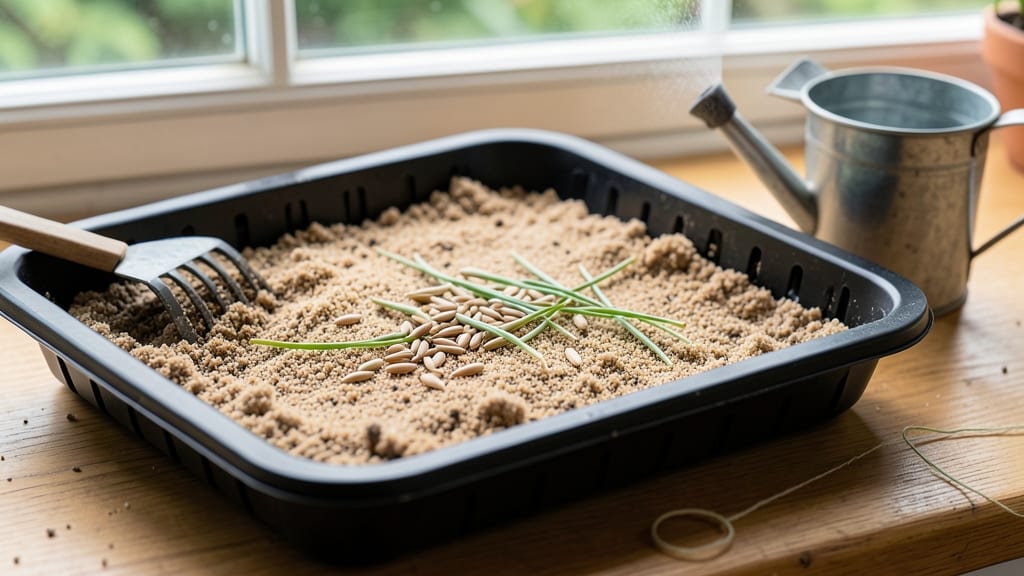
Sowing grass seed in September can give you a head start on a thick, weed-resistant lawn by the time spring rolls around.
Picture this: cool mornings, fewer weeds competing for space, and just enough warmth to keep the soil cozy for germination. It’s the perfect window—but only if you time it right and pick the right seed.
One wrong move, and you could end up with patchy growth or frost damage before the grass even takes hold.
In USDA Zone 6a, where I garden, September’s mild temperatures and steady rainfall make it ideal for cool-season grasses like tall fescue or Kentucky bluegrass. The key? Prepping the soil correctly, choosing the right variety, and keeping a close eye on moisture levels as winter edges closer.
Below, I’ll walk you through the exact steps to plant in late summer, from soil prep to post-sowing care, so your lawn doesn’t just survive the winter—it thrives when spring arrives.
Why September is the best time to sow grass seed (and how to maximize success)
September offers the perfect balance of cool temperatures and moderate rainfall for grass seed germination. Unlike spring planting, September avoids competition from weeds and intense summer heat, while still allowing enough time for roots to establish before winter.
The ideal soil temperature of 60-75°F (15-24°C) promotes faster germination and stronger growth.
Cool-season grasses like tall fescue and Kentucky bluegrass thrive when sown in September because they can establish deep roots before dormancy. Warm-season grasses like Bermuda or Zoysia may struggle in late September, but transition varieties like tifway can still succeed with proper care.
The key is adjusting your approach based on your USDA hardiness zone.
Here’s how September outperforms spring or fall alternatives, broken down by critical factors:
| Factor | Spring Planting | September Planting | Fall Planting |
|---|---|---|---|
| Temperature Range | 50-70°F (10-21°C) | 60-75°F (15-24°C) (optimal for germination) | 40-60°F (4-15°C) |
| Weed Competition | High (weeds germinate first) | Low to moderate (weeds less aggressive) | Moderate (some weeds remain) |
| Moisture Retention | Variable (drought risk) | Consistent rainfall (natural watering) | High (but frost risk) |
| Root Establishment | Slower (heat stress) | Rapid and deep (before winter) | Good (but frost limits growth) |
| Best For Zones | Zones 5-9 (cooler regions) | Zones 3-10 (adjust timing) | Zones 4-8 (frost-sensitive) |
For USDA Zones 3-5, aim to sow grass seed by mid-September to allow 4-6 weeks of growth before frost. In Zones 6-9, late September or early October works, but avoid planting if frost is forecast within 2 weeks.
The soil temperature should stay above 50°F (10°C) for at least 3 weeks post-planting.
One of September’s biggest advantages is reduced weed pressure. Weeds like crabgrass and dandelions germinate in spring, so September planting gives your grass a head start.
Apply a pre-emergent herbicide 2 weeks before sowing to further suppress weeds. This ensures your new grass isn’t competing with invasive species for nutrients.
Moisture retention is another September superpower. Unlike summer, when evaporation rates are high, September offers gentle rainfall and cooler nights that keep soil moist. Water deeply 2-3 times per week (about 1 inch total) to encourage germination.
Use a rain gauge or tuna can to measure water accurately—overwatering can suffocate seeds.
If you’re in a drier region (e.g., USDA Zone 8-10), opt for drought-resistant varieties like tall fescue or fine fescue. These grasses establish deeper root systems in September, making them 30% more resilient to winter drought.
Pair them with mulch (straw or wood chips) to retain moisture and regulate soil temperature.
For late-September planting (after September 20), switch to fast-germinating seeds like annual ryegrass or perennial ryegrass. These varieties sprout in 5-7 days and tolerate cooler soils. If frost is imminent, cover seeds with a lightweight frost blanket at night to protect tender shoots.
Pro tip: Test your soil’s pH level before planting. Grass thrives in pH 6.0-7.0. If your soil is too acidic (pH < 6.0), amend it with lime 4-6 weeks before sowing.
For alkaline soil (pH > 7.0), add sulfur or peat moss. A simple home soil test kit costs under $10 and saves you from wasted effort.
By leveraging September’s cool weather, low weed competition, and ideal moisture, you’ll give your lawn the best possible start. With the right seed, soil prep, and watering routine, your grass will outperform spring plant
Step-by-step September grass seed planting guide: soil prep to germination timeline
September’s cool evenings and warm days create ideal conditions for grass seed germination, but rushing the process can lead to frost damage or uneven growth. The secret to success lies in soil preparation and seed selection tailored to your climate.
In my USDA Zone 6a garden, I’ve found that tall fescue and Kentucky bluegrass thrive when planted in early September, while drought-resistant varieties like fine fescue handle late-September sowing better.
Before you even reach for your seed packet, focus on soil aeration and pH testing. Compacted soil smothers seeds, and a pH outside the 6.0–7.0 range can stunt growth.
I’ll walk you through every step—from prepping your lawn to tracking germination—so you can avoid common pitfalls and wake up to a thick, green lawn next spring.
Your 7-Step September Grass Planting Plan
-
Step 1: Test & Amend Soil
Use a soil test kit to check pH. If below 6.0, add lime (2–4 weeks before planting). For sandy soil, mix in compost to improve moisture retention.
-
Step 2: Aerate & Loosen Soil
Rent a core aerator to create ½-inch deep holes. This helps seeds make contact with soil and roots penetrate easily. Do this 3–5 days before sowing.
-
Step 3: Choose the Right Seed
Cool-season grasses (tall fescue, ryegrass) germinate in 7–21 days at 60–75°F. Warm-season (Bermuda, Zoysia) need 75–90°F—skip these in September unless you’re in Zone 8+.
-
Step 4: Spread Seed Evenly
Use a broadcast spreader for even coverage. Aim for 5–10 lbs per 1,000 sqft, depending on seed type. Lightly rake to press seeds ¼-inch deep—no deeper!
-
Step 5: Water for Germination
Keep soil consistently moist (not soggy) for 2–3 weeks. Water lightly 2x daily (morning/evening) until sprouts appear. Use a sprinkler, not a hose, to avoid washing seeds away.
-
Step 6: Track Germination
Sprouts should appear in 7–14 days. Once grass reaches 3 inches, reduce watering to 1 inch per week. Avoid walking on new growth to prevent damage.
-
Step 7: 30-Day Care Checklist
Week 1: Monitor moisture, protect from pests.
Week 2: Thin seedlings if overcrowded.
Week 4: Apply starter fertilizer (high phosphorus) and mow at 3–4 inches.
One of the biggest mistakes I see in September planting is overwatering after germination. While seeds need moisture, once sprouts appear, deep but infrequent watering encourages stronger roots. I’ve had lawns drown from daily light watering—always check soil moisture 1 inch below the surface before adding more.
If you’re in a drought-prone area, opt for fine fescue or tall fescue blends, which tolerate dry spells better than Kentucky bluegrass. These varieties also handle foot traffic sooner, so you can enjoy your lawn earlier in spring.
Just remember: September’s window closes fast—plant before mid-month in cooler climates to avoid frost risk.
By following this timeline, your grass will establish a deep root system before winter, giving it a fighting chance against freeze-thaw cycles and spring weeds. Next spring, you’ll be the envy of the neighborhood with a lush, uniform lawn—all thanks to a little September prep work.