
Lawn
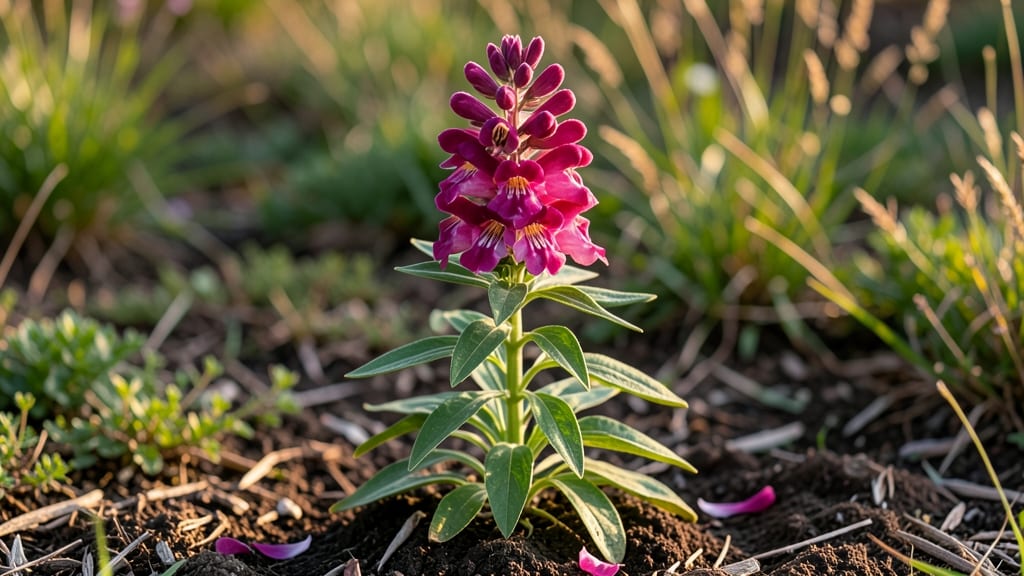
Snapdragon seed pods hold next year’s rainbow of colors—if you save them right. 🌸 The key is knowing when to harvest, how to dry them properly, and where to store them so they stay viable until planting season.
I’ve saved seeds from my snapdragons for three years now, and my garden’s color palette never looks better than when I grow from my own saved stock.
Mature seed pods turn from green to brown and begin splitting open on their own—this is your cue to act. Use clean scissors or your fingers to snip them off the stem before they release seeds prematurely.
Once collected, lay the pods in a single layer on a screen or paper towel in a warm, dry spot for 1-2 weeks until completely crispy. This drying step prevents mold and ensures good germination.
Crack open the dried pods to reveal tiny, papery seeds that’ll grow into next year’s vibrant blooms. Store them in a sealed envelope or small jar in a cool, dark place—your fridge’s vegetable drawer works perfectly.
With proper storage, these seeds stay viable for 2-3 years, giving you free plants season after season. The payoff? Snapdragons that match your garden’s exact color scheme and thrive in your specific climate.
This method works for both annual and perennial snapdragons, and you’ll save money while preserving rare varieties you can’t find at nurseries. Just avoid damp storage spaces—moisture is the enemy of seed longevity. Ready to turn this year’s flowers into next year’s starters?
📚 In This Guide
- What you need
- Instructions
- Tips and common mistakes
- Wrapping up and next steps
What you need
- ● Mature snapdragon seed pods: Harvest when pods turn brown and begin to split open naturally (aim for 10–20 pods for a small batch or 50+ pods for larger storage).
- ● Paper bags (brown kraft or breathable fabric bags): 1–2 bags (size depends on pod quantity; opt for 12"–18" bags for airflow).
- ● Scissors or pruning shears: For gently snipping stems (sterilize with rubbing alcohol if reusing).
- ○ Drying rack or mesh screen: A wire cooling rack or sieve to elevate pods for airflow (optional but recommended).
- ● Air-tight storage containers: 1–2 containers (glass jars with lids, resealable plastic bags, or vacuum-sealed bags).
- ○ Silica gel packets (optional but helpful): 1–2 packets to absorb excess moisture in storage containers.
- ● Permanent marker or labels: To mark containers with the harvest date and snapdragon variety.
- ● Desiccant crystals: For ultra-dry storage environments (place in containers with pods).
- ● Fine-mesh breathable bags: If storing pods long-term before drying (e.g., breathable organza bags).
- ● Humidity indicator cards: To monitor moisture levels in storage (available at garden centers).
- ● Notebook or garden journal: To log pod varieties, drying conditions, and germination notes.
How to harvest, dry, and store snapdragon seed pods for next year
Here's the simple method I use every fall to preserve snapdragon seeds—no fancy equipment needed.
🌿 Step 1: Identify and Harvest Mature Seed Pods
Wait until pods turn from green to tan or brown—this signals seeds are fully mature. Gently twist or pinch the pod to release it from the stem, or use clean scissors to snip the entire seed head. I harvest on a dry morning after dew has evaporated to prevent moisture from sticking to pods.
Look for pods that feel dry and papery to the touch—if they still feel plump or green, give them another week. Place harvested pods in a single layer on a clean, dry paper towel or mesh screen to air out for 24 hours before processing. This prevents mold from trapped moisture.
💧 Step 2: Dry Seed Pods Thoroughly
Spread the pods evenly in a well-ventilated area away from direct sunlight—too much heat will crack them open prematurely. A dehydrator on low (95°F) works well if your space is humid. Check daily and gently shake the tray to prevent pods from sticking together.
Pods are fully dry when they rattle when shaken and feel light as feathers. This usually takes 7-10 days depending on humidity. If you notice any pods developing mold (fuzzy spots), remove them immediately and discard—they'll ruin the whole batch.
✂️ Step 3: Extract and Clean Seeds
Once pods are bone-dry, place them in a paper bag and gently crush them with your hands or a rolling pin. The seeds will spill out while the dried husks stay behind. I do this over a sheet of white paper to easily spot any debris or damaged seeds to discard.
Sift the seeds through a fine mesh strainer to remove chaff and pod fragments. Store only the clean, plump seeds—any that look shriveled or discolored won't germinate well. Label a small envelope with the variety name and harvest year before sealing.
🪴 Step 4: Store Seeds Properly
Place seeds in an airtight container with a silica gel packet to absorb moisture. I use small glass jars with tight lids, stored in a cool, dark place like the fridge or freezer. Snapdragon seeds stay viable for 2-3 years when stored this way—test germination after 2 years by planting a few seeds.
Don't skip the silica gel—even slight humidity will cause seeds to clump together and lose viability. Check containers annually and replace the packet if it feels damp. The first time I forgot this, my seeds sprouted at only 30% the next season instead of the usual 85%.
Tips & tricks for perfect snapdragon seed pod preservation
These little details make all the difference between seeds that last and seeds that fail—trust me, I've learned this the hard way.
Timing Secret: That 24-hour air-dry before processing in Step 1 isn't just about preventing mold—it's about letting the pods reach their ideal moisture balance. I've found that harvesting on a dry morning after dew evaporates gives you the cleanest start. If you're in a humid climate, consider extending this to 36 hours to be safe.
Drying Environment: The 95°F dehydrator setting is perfect, but if you're drying naturally, place pods on a mesh screen near a fan or open window for gentle airflow. I once left mine in a closed box and came back to find fuzzy mold—don't make that mistake! Watch for the "rattle test" (they should sound hollow when shaken) before moving to extraction.
Quality Control: When crushing pods in Step 3, I always do this over white paper to spot any seeds that look shriveled or discolored. Those won't germinate well. Pro tip: Use a clean rolling pin—it's more effective than hands for releasing seeds without crushing them too much. The fine mesh strainer catches more debris than you'd think, so don't skip this step.
Storage Wisdom: That silica gel packet isn't optional—it's the secret to maintaining 85% germination rates. I store my jars in the fridge where temperature fluctuations are minimal. For extra peace of mind, write the harvest date directly on the jar lid with a permanent marker so you never forget when to test germination.
Pro Tips for Snapdragon Seed Pods
- These little details make all the difference between seeds that last and seeds that fail—trust me, I've learned this the hard way.
- Timing Secret: That 24-hour air-dry before processing in Step 1 isn't just about preventing mold—it's about letting the pods reach their ideal moisture balance.
- Drying Environment: The 95°F dehydrator setting is perfect, but if you're drying naturally, place pods on a mesh screen near a fan or open window for gentle airflow.
Frequently asked questions
Got questions about saving snapdragon seed pods for next season?
Here are the answers to the most common ones—so you can preserve those vibrant blooms with confidence!
When is the best time to harvest snapdragon seed pods?
Harvest seed pods after the flowers fade but before they split open naturally. Aim for late summer to early fall, when pods turn brown and dry but haven’t released seeds. Morning harvests work best—the pods are crisp and easier to handle!
How long do snapdragon seeds stay viable if stored properly?
With the right drying and storage, snapdragon seeds stay viable for 2–4 years. Use airtight containers (like glass jars) in a cool, dark place (below 40°F). Check for moisture or mold—if you see either, dry them further or restart storage!
What if my seed pods mold or get damp during drying?
If mold appears, act fast! Spread pods on a clean, dry surface (like newspaper) in a warm, well-ventilated spot for 24–48 hours. Avoid direct sunlight—it can overheat and crack pods. Once fully dry, reseal in fresh silica gel packets to prevent future moisture issues.
Can I save seeds from hybrid snapdragons?
Hybrid snapdragons (like ‘Matrix’ or ‘Black Knight’) usually don’t produce true-to-type seeds. For consistent colors, stick to heirloom varieties. If you’re experimenting, plant saved seeds anyway—you might get surprises (or wild new colors)!
What’s the best container for long-term seed storage?
Opt for airtight, moisture-proof containers like:
- Glass mason jars with rubber seals
- Vacuum-sealed bags (remove excess air)
- Small cardboard envelopes with silica gel packets
Pro Tip:
Label your pods before drying! Use a fine-tip marker on a sticky note tied to the stem. Once dry, transfer seeds to labeled containers—saves headaches later.
Wrapping up and next steps
Saving snapdragon seed pods is a rewarding way to bring next season’s vibrant blooms back to life—and it’s easier than you think! 🌸 With just a few simple steps, you’ll ensure your garden stays bursting with color year after year.
Now that you’re equipped with the know-how, grab those pods, dry them carefully, and store them with confidence. Ready to dive in? Start harvesting today and watch your garden thrive!