
Lawn
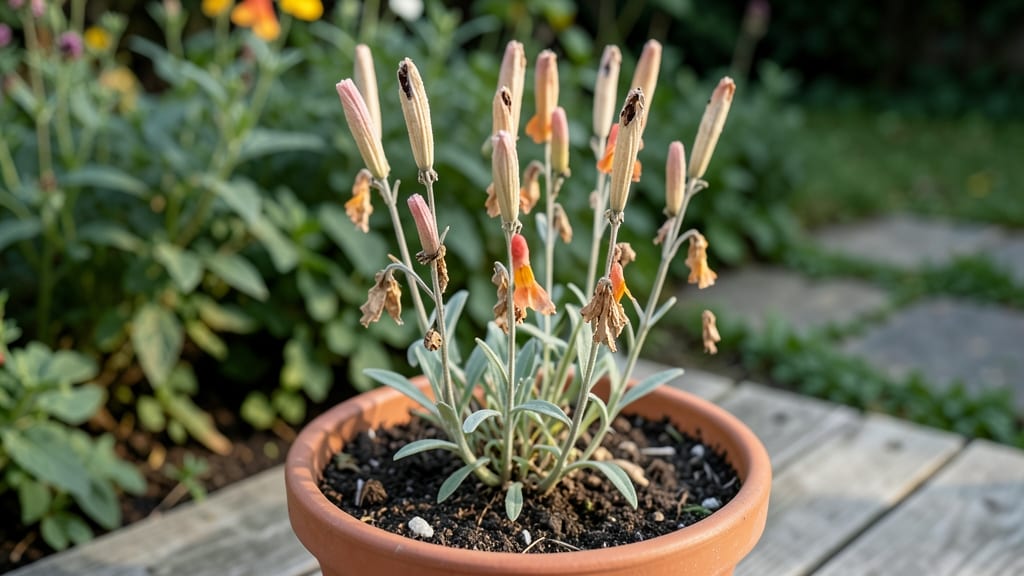
Harvesting the dried snapdragon seed pods at the perfect moment means next year’s garden will burst with those same velvety blooms you fell in love with. 🌸 The trick? Snipping pods when they’ve turned brown but are still slightly plump—before they split open and scatter seeds everywhere.
I learned this the hard way after watching my first batch of pods explode into a fine, useless powder.
You’ll need just a few simple tools: sharp scissors or pruners, paper bags for drying, and a cool, dry spot away from direct sunlight. The drying process takes about 2-3 weeks, where pods should crack open naturally, revealing tiny black seeds that stay viable for years.
Store them in an airtight container in a dark place, and you’ll have a ready-to-plant stash whenever spring rolls around.
Beyond propagation, dried snapdragon pods make stunning winter arrangements—their papery texture and earthy tones add unexpected charm to holiday decor. Or crush them for a rustic, fragrant filler in craft projects. The key is patience; let nature do the work, and you’ll end up with both seeds and beauty.
For best results, harvest pods in late summer to early fall when they’re fully mature but still intact. If you miss the window, don’t stress—even slightly overripe pods can yield seeds, though germination rates drop.
The real magic happens when you replant them the following spring, watching those familiar faces return to your garden.
📚 In This Guide
- What you need
- Instructions
- Tips and common mistakes
- Wrapping up and next steps
What you need
- ● Mature snapdragon plants (Antirrhinum majus) – Ensure pods are fully formed but not yet split open (ideal stage: slightly swollen, turning brownish).
- ● Sharp pruning shears or garden scissors – Clean and sterilized to prevent disease transfer (1 pair).
- ● Brown paper bags or breathable mesh bags – For drying pods (2–4 bags, depending on yield).
- ● Flat drying surface – Such as a screened tray, cardboard, or clean wooden board (1–2 surfaces).
- ● Small paintbrush or soft toothbrush – For gently dislodging seeds from pods (1).
- ● Air-tight seed storage containers – With desiccant packets (e.g., glass jars with tight lids, 1–2 containers).
- ● Permanent marker or labels – To label pods by variety/date (1).
- ○ Optional but helpful: 🔍 Magnifying glass – For inspecting seed viability (1).
- ● 🌡️ Hygrometer – To monitor humidity (50–60% ideal for drying).
- ● 📅 Seed viability test kit – For checking germination rates post-drying.
How to harvest snapdragon seed pods at peak viability
Snapdragons reward patience—here’s how to collect seeds before the pods shatter and scatter.
🌿 Step 1: Identify Mature Pods Ready for Harvest
Wait until the seed pods turn from green to a dry, papery brown—this signals they’re ready. I tap each pod gently with my fingernail; if it feels hollow and rattles slightly, it’s time. Harvesting too early means immature seeds that won’t germinate, while waiting too long risks the pods opening on their own and spilling seeds.
Focus on pods that are fully elongated but still closed. Avoid any that have split open or show signs of mold. Use clean, sharp scissors to snip the stem just above the flower head—this prevents damage to the main plant and makes pods easier to handle.
🪴 Step 2: Dry and Prepare Pods for Seed Extraction
Lay the harvested pods on a clean, dry paper towel in a single layer. Place them in a warm, dry, well-ventilated spot—a sunny windowsill or a small fan-cooled drying rack works well. Avoid direct sunlight, which can overheat the pods and reduce seed viability. I like to turn them daily to ensure even drying.
Pods are ready when they’re completely brittle and crumble easily when squeezed. This usually takes 7-10 days, depending on humidity. If your home is damp, drying may take longer. Never rush this step—moisture left in the pods can cause mold or rot during storage.
✂️ Step 3: Extract Seeds and Store for Future Planting
Once dry, place a pod over a clean sheet of white paper and gently squeeze it between your fingers. The seeds will fall out in a small pile. I use a fine-tip paintbrush to sweep any stray seeds onto the paper—this ensures you don’t miss a single one. Discard any empty or damaged pods.
Transfer the seeds to a small envelope or airtight container labeled with the snapdragon variety and the harvest date. Store them in a cool, dark place (like a pantry or refrigerator) where they’ll stay viable for 2-3 years. For extra protection, add a silica gel packet to absorb any lingering moisture.
💧 Step 4: Clean Up and Prevent Volunteer Plants
After extracting seeds, crush any remaining empty pods in your hand and scatter the debris away from your garden. Snapdragons self-seed aggressively, and you don’t want unexpected seedlings popping up next season. I also pull up any remaining spent flower stalks at the base to redirect the plant’s energy into next year’s growth.
If you’re growing snapdragons in containers, empty the pots and refresh the soil. Old soil can harbor diseases that weaken new plants. For in-ground gardens, add a light layer of compost to replenish nutrients for future plantings. This keeps your garden healthy and ready for next year’s snapdragons.
Tips & tricks for perfect snapdragon seed harvesting
Here's what nobody tells you about getting the most viable seeds from your snapdragons.
Timing Secret: Harvest on a dry morning after the dew has evaporated. Moisture on the pods can encourage mold during drying, and the seeds won't separate cleanly. I always check pods first thing in the morning when they're at their driest. The 7-10 day drying period mentioned in Step 2 actually starts from this initial dry harvest - don't skip this morning routine!
Visual Cue: In Step 1, look for pods that have turned completely brown but still feel firm when gently squeezed. If you see any seeds peeking through the pod walls, harvest immediately - these pods will open within hours. I've lost entire batches by waiting just one extra day when pods were already showing seeds. The "fully elongated but still closed" description in Step 1 is your golden rule.
Drying Strategy: For the 7-10 day drying period in Step 2, I use a small fan on low setting aimed at the pods. This creates gentle airflow without over-drying them. Place pods about 6 inches from the fan and check daily. If your home is particularly humid, you might need to extend this to 12-14 days - just keep turning them daily as mentioned. The key is complete brittleness without any moisture remaining.
Storage Wisdom: When storing seeds in Step 3, I add a small packet of uncooked rice to the container along with the silica gel packet. The rice helps absorb any moisture that might escape the silica gel over time. Label your containers with both the variety name AND harvest date - I've found that seeds harvested in cooler months sometimes have different germination rates than summer-harvested seeds.
Pro Tips for Dried Snapdragon Seed Pods
- Here's what nobody tells you about getting the most viable seeds from your snapdragons.
- Timing Secret: Harvest on a dry morning after the dew has evaporated.
- Visual Cue: In Step 1, look for pods that have turned completely brown but still feel firm when gently squeezed.
Frequently asked questions
Got questions about harvesting and using dried snapdragon seed pods? You’re not alone! Here are answers to the most common queries to help you master the process like a pro.
When are snapdragon seed pods fully dried and ready for harvesting?
Snapdragon seed pods are ready when they turn a light brown color, split open slightly on their own, and rattle when shaken. Aim to harvest them before they fully burst open—ideally in late summer to early fall, depending on your climate. Overripe pods scatter seeds easily, so act fast!
How long does it take for snapdragon seed pods to dry after picking?
Freshly harvested pods need 1–2 weeks to fully dry indoors in a warm, well-ventilated spot (like a paper bag with holes or a mesh bag). Avoid direct sunlight or humidity—they’ll dry too fast and crack. Patience pays off for viable seeds!
Can I reuse dried snapdragon seed pods for crafts or planting next year?
Once fully dried, pods make stunning dried floral arrangements or seed bombs for next year’s garden. Just store them in an airtight container away from moisture. For planting, save seeds for 1–2 years max—viability drops after that.
What if my pods mold or attract pests before drying?
Mold or pests (like aphids) mean your pods need better drying conditions. Try:
- Hang pods upside-down in a cool, dry spot (e.g., attic with airflow).
- Use a fan on low to circulate air.
- Check for pests weekly—discard any infested pods.
Are there alternatives if my snapdragon pods won’t dry properly?
If humidity ruins your harvest, try these tricks:
- Silica gel packets (from craft stores) absorb moisture in sealed containers.
- Use a dehumidifier near your drying area.
- Opt for greenhouse-grown pods—they often dry more reliably.
Wrapping up and next steps
Harvesting dried snapdragon seed pods at the perfect stage ensures you capture viable seeds while avoiding overripening—saving you time, effort, and frustration. 🌿 With the right tools and techniques, you can turn your garden into a seed bank for future blooms!
Ready to put your new skills to use? Start by monitoring your snapdragons closely this season and experiment with different harvesting methods to find what works best for your climate and plants.