
Planting
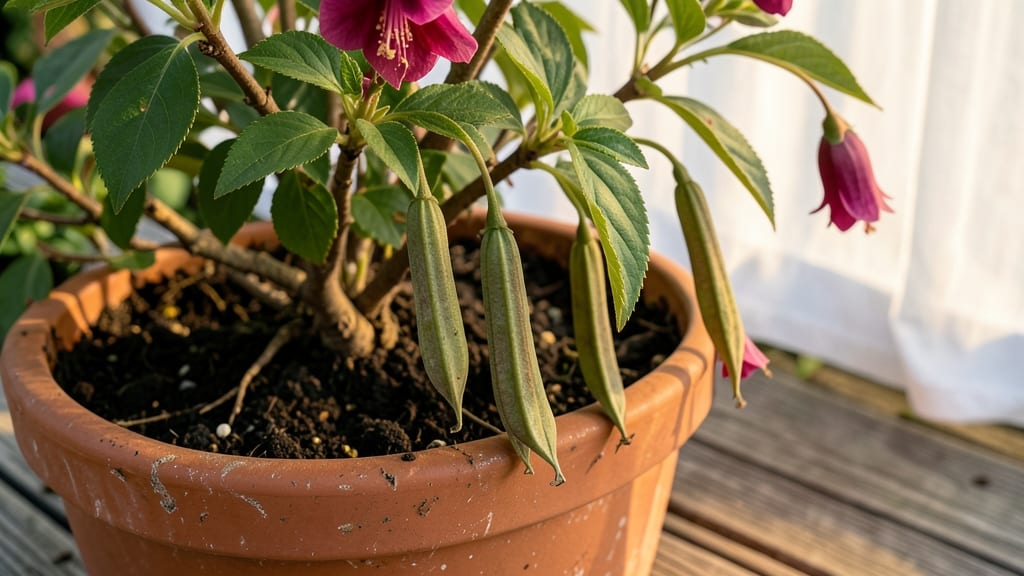
Harvesting fuchsia plant seed pods at the perfect moment means a head start on next year’s vibrant blooms. 🌸 These papery pods turn from green to brown overnight—miss that window, and the seeds inside lose viability.
I’ve learned the hard way that patience pays off: waiting too long means scrappy, slow-to-germinate seeds (or none at all).
The key is acting fast once pods start splitting open. Grab a small paper bag or envelope to catch the tiny, glossy seeds before they scatter. A gentle shake over your container works best—no need for force.
Once collected, let them dry on a paper towel for 3-5 days in a warm, dry spot, stirring occasionally to prevent mold.
Store the dried seeds in an airtight container with a silica gel packet to keep moisture out. Label it with the date and variety (if known), then tuck it in a cool, dark place. Most fuchsia seeds stay viable for 1-2 years, though fresh seeds germinate faster and stronger.
Common challenges? Overripe pods or damp storage can ruin your harvest. If seeds feel sticky or smell funky, toss them—they’ve gone bad. Start germination in early spring under warmth and bright light, and you’ll see sprouts in 2-4 weeks. Worth every bit of effort for those showstopping blooms!
📚 In This Guide
- What you need
- Instructions
- Tips and common mistakes
- Wrapping up and next steps
What you need
- ● Mature fuchsia plants (with fully developed seed pods—look for plump, slightly wrinkled pods that are green turning brown but not yet split open).
- ● Sharp, clean scissors or pruning shears (sterilized with rubbing alcohol to prevent contamination).
- ● Paper bags or breathable seed envelopes (labeled with the fuchsia variety and harvest date; avoid plastic to prevent mold).
- ● Small bowls or trays (for drying seeds—choose shallow, wide containers for airflow).
- ● Fine-mesh sieve or sifter (to separate seeds from chaff; 1–2mm mesh size works best).
- ○ Desiccant packets or silica gel (optional but helpful for low-humidity climates to speed up drying).
- ● Pencil or permanent marker (for labeling pods/envelopes with details like cultivar name and harvest date).
- ○ Glove (optional but recommended—fuchsia seeds can irritate skin for some people).
- ● Humidity dome or plastic wrap (for high-humidity areas to protect pods during drying).
- ● Digital scale (to monitor seed weight—viable seeds should feel firm and heavy for their size).
- ● Seed storage jars with airtight lids (for long-term preservation; add a packet of silica gel to keep moisture out).
- ● Notebook or spreadsheet (to track germination rates, pod characteristics, and parent plant traits).
- ● Magnifying glass (for inspecting seed quality up close—look for plump, unblemished seeds).
Instructions for harvesting fuchsia seeds at peak viability
Timing is everything with fuchsia seed pods—harvest too early, and seeds aren’t ready; wait too long, and they shatter or lose viability. Here’s how to get it right every time.
🌱 Step 1: Identify and Select Mature Seed Pods
Fuchsia seed pods start green and firm, then gradually swell and turn a deep, papery brown as they mature. Wait until they’re fully brown but still slightly plump—this is your prime harvesting window. A gentle squeeze should reveal a slight give, but the pod shouldn’t feel mushy or split open easily. Overripe pods will shatter at the slightest touch, scattering seeds everywhere.
I like to check pods every 3-4 days once they’ve been pollinated. The best pods are those that’ve been pollinated by bees or hummingbirds, as they’ll have a thicker, more robust structure. Avoid pods that look dried out or cracked—they’re past their prime. Use clean, sharp scissors to snip the stem just above the pod, leaving the flower intact for easy identification.
🪴 Step 2: Extract Seeds and Prepare for Drying
Once you’ve harvested the pods, place them in a paper bag (not plastic—it traps moisture and encourages mold) and let them sit at room temperature for 24 hours. This allows any remaining moisture to evaporate, making the seeds easier to extract. After 24 hours, open the pods carefully over a clean, white surface—this makes it easy to spot the tiny, dark seeds against the lighter debris.
Gently crush the pod between your fingers or use a small spoon to scrape out the seeds. Fuchsia seeds are incredibly small and dust-like, so avoid shaking or blowing them out—they’ll disappear in seconds. I like to use a fine-mesh strainer to separate the seeds from chaff, then transfer them to a small envelope or seed packet for storage.
⏰ Step 3: Dry and Store Seeds for Long-Term Viability
Spread the extracted seeds on a piece of parchment paper in a single layer, ensuring they’re not touching. Place them in a warm, dry spot with good airflow—70-75°F and low humidity are ideal. Let them dry for 3-5 days, stirring them gently each day to prevent clumping. Fully dried seeds will look slightly wrinkled and feel brittle to the touch.
Once dry, store the seeds in an airtight container, such as a small glass jar or seed envelope, in a cool, dark place. Fuchsia seeds remain viable for 2-3 years if stored properly, but I recommend labeling them with the date and variety. For best results, sow them within a year—they germinate more reliably when fresh.
☀️ Step 4: Sow Seeds for Germination
Fuchsia seeds need warmth and moisture to germinate, so start them indoors 8-10 weeks before your last frost date. Fill small seed trays or pots with a light, well-draining mix—equal parts peat moss and perlite works well. Moisten the mix until it’s damp but not soggy, then scatter the seeds evenly over the surface. Press them lightly into the soil with your finger, as they don’t need deep planting.
Cover the trays with plastic wrap or a humidity dome to retain moisture and place them in a warm spot, ideally 70-75°F. Keep the soil consistently moist but never waterlogged—fuchsia seeds rot quickly if overwatered. Germination typically takes 14-21 days, though some varieties may take longer. Once seedlings emerge, remove the cover and provide bright, indirect light to prevent leggy growth.
Tips & tricks for perfect fuchsia seed harvesting
Here’s what I’ve learned after years of experimenting with fuchsia seed pods—these small details make all the difference between viable seeds and wasted effort.
Prime Pod Selection: In Step 1, when checking pods every 3-4 days, look for a subtle color shift from deep brown to almost papery—this is your sweet spot. I’ve found that pods pollinated by hummingbirds often have slightly thicker walls, which means better seed yield. If you’re unsure, cut open one pod to peek inside: fully mature seeds will be dark and plump, not shriveled or hollow.
Moisture Control: The 24-hour drying period in Step 2 is non-negotiable for preventing mold, but here’s the secret: place the paper bag in a spot with indirect sunlight—direct light can create heat pockets that speed up moisture evaporation unevenly. I’ve ruined batches by letting them sit too close to a sunny window, so keep them in a consistent 70-75°F environment instead.
Seed Extraction Technique: When crushing pods in Step 2, I’ve found that using a clean wooden spoon works better than fingers—it gives you more control without crushing the delicate seeds. For extra precision, place the pod on a white paper towel first; the contrast makes it easier to spot the tiny seeds against the chaff. And never shake the pods—those seeds are lighter than dust and will vanish in seconds.
Storage Wisdom: For Step 3’s drying process, I recommend using a small mesh screen or even an old window screen instead of parchment paper. The airflow is superior, and you can easily stir the seeds without disturbing their placement. Store dried seeds in a glass jar with a desiccant packet—this keeps humidity at bay and extends viability beyond the 2-3 year mark mentioned in the instructions.
Pro Tips for Fuchsia Plant Seed Pods
- Here’s what I’ve learned after years of experimenting with fuchsia seed pods—these small details make all the difference between viable seeds and wasted effort.
- Prime Pod Selection: In Step 1, when checking pods every 3-4 days, look for a subtle color shift from deep brown to almost papery—this is your sweet spot.
- I’ve ruined batches by letting them sit too close to a sunny window, so keep them in a consistent 70-75°F environment instead.
Frequently asked questions
Got questions about harvesting fuchsia plant seed pods? You’re not alone! Here are some of the most common concerns—and their answers—to help you succeed with your seed-saving journey.
When are fuchsia seed pods ready to harvest?
Harvest fuchsia seed pods when they turn dry, papery, and slightly wrinkled—usually 4–6 weeks after flowering. If left too long, they’ll split open and scatter seeds. Aim for a light brown color; green or plump pods aren’t ready yet!
How do I know if the seeds inside are still viable?
Viable seeds should be small, dark brown, and firm. If they’re shriveled, moldy, or floating in water (the float test), they’ve lost viability. Store seeds in a cool, dry place (like a sealed envelope) for up to 2 years for best results.
What if my pods split open before I can collect seeds?
Don’t worry! If pods crack early, gently shake them over a tray to catch fallen seeds. Spread a paper towel underneath for easy cleanup. Overripe pods are still useful—just act fast to salvage what you can!
Can I grow fuchsias from store-bought seeds or do I need pods?
Store-bought seeds work, but fuchsia seed pods from your own plant offer higher germination rates (often 50–80%) and true-to-type blooms. Plus, harvesting pods is a rewarding way to preserve heirloom varieties!
Why aren’t my harvested seeds germinating?
Fuchsia seeds need warmth, moisture, and light to sprout. Try stratifying seeds (chilling them for 2–4 weeks) or using a seedling heat mat. Poor germination can also stem from old seeds or overwatering—keep soil damp but not soggy!
Wrapping up and next steps
Growing fuchsias from seed pods is a rewarding way to expand your garden with vibrant, unique blooms! 🌸 By mastering the art of harvesting seeds at the right stage—when pods turn papery and split open—you’ll ensure high germination rates.
Don’t let hesitation hold you back: grab those pods, dry them properly, and watch your green thumb shine as you cultivate new fuchsia wonders.
Next step: Try harvesting seeds from your fuchsias this season and share your progress with fellow plant enthusiasts. Happy gardening! 🌱