
Lawn
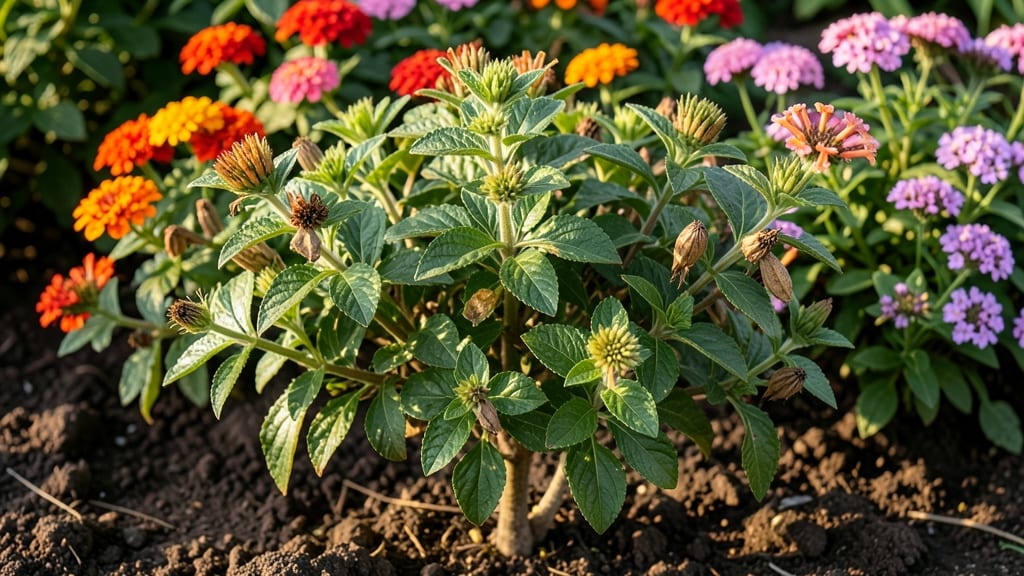
What do lantana seed pods look like? Those spiky green orbs turn heads (and sometimes hands) when they pop open like tiny fireworks. 🌱 They start as fuzzy, round capsules about the size of a pea, growing directly from the plant’s woody stems after flowers fade. The real show happens when they split open—releasing hundreds of tiny, yellow-orange seeds that look like confetti for birds and bees. These pods form in clusters along the stems, often where spent blooms once were. Unlike smooth seed pods (think milkweed), lantana’s are velvety-textured with a subtle prickle—enough to make you think twice before handling. The seeds themselves are lightweight, almost papery, and scatter easily with even a gentle breeze, which is why lantana spreads so aggressively in warm climates. Collecting them is simple: wait until pods turn brown and start cracking, then gently twist them off the stem. Store seeds in a paper bag (no plastic!) in a cool, dry place until ready to plant. They germinate best in warm soil (70°F+) and don’t need stratification—just sprinkle them on top of moist soil and keep them sunny. If you’re new to lantana, don’t confuse these pods with milkweed’s smooth pods or verbena’s dry capsules—lantana’s are uniquely fuzzy and burst open explosively when mature. Wear gloves if you’re sensitive to the tiny hairs, and always check local regulations before planting, as some areas consider lantana invasive.
📚 In This Guide
- What you need
- Instructions
- Tips and common mistakes
- Wrapping up and next steps
What you need
- ● Safety gloves – Nitrile or leather gloves (to protect from potential skin irritation or thorns). Size: Medium or large (fits snugly over hands).
- ● Pruning shears or sharp scissors – Bypass-style shears for clean cuts. Blade length: 6–8 inches (for reaching pods).
- ● Small container or paper bag – Paper lunch bag or breathable fabric pouch (to collect pods without crushing them). Size: At least 1 gallon capacity.
- ○ Magnifying glass or hand lens – 10x magnification (for inspecting seed details). Optional but helpful!
- ● Notebook & pen – For recording observations (e.g., pod color, size, seed appearance).
- ● Camera or smartphone – With a macro mode or close-up lens for photos.
- ● Tweezers – For handling seeds without touching them directly.
- ● Ruler or measuring tape – To document pod/seed dimensions (e.g., 1–2 inches long).
- ● Labeling tags – If storing pods for later study (e.g., date, location).
- ● Spray bottle with water – To gently clean pods if dirty (avoid soaking!).
How to identify lantana seed pods in your garden
Here's how to spot those distinctive seed pods before they release their bright seeds everywhere.
🌱 Step 1: Locate the Flower Clusters First
Lantana seed pods develop from its bright, clustered flowers that bloom in colors like yellow, orange, or pink. Look for these dense flower heads—each tiny bloom will eventually transform into a seed pod. The pods start forming about 6-8 weeks after flowering, so if you see spent blossoms, check them closely.
Run your fingers gently over the flower clusters. You'll feel small, firm bumps forming where the flowers were attached. These are the immature seed pods, still green and covered in fine hairs. At this stage, they resemble tiny, spiky green orbs about the size of a pea.
🌿 Step 2: Watch for Color and Texture Changes
The pods begin turning from bright green to a matte yellow-green as they mature. This color shift happens gradually over 2-3 weeks, so check your lantana plants regularly. The texture becomes slightly leathery rather than soft and fuzzy.
Here's the thing—don't confuse these with unopened flower buds. Seed pods will have a slightly rounded, almost papery feel when pressed lightly with your fingernail. If you see a tiny slit forming at the tip, that's your signal the pod is ready to open.
⏰ Step 3: Identify the Opening Mechanism
When fully mature, lantana seed pods split open along one side in a distinctive "zipper-like" motion. This happens when the pod feels dry to the touch and has turned a pale yellow or light brown color. The split reveals rows of bright yellow-orange seeds inside.
You'll notice the pods often remain attached to the stem even after opening. This is normal—they don't fall off like some seed capsules. The seeds stay visible inside until either birds eat them or they're dispersed by wind or rain.
💧 Step 4: Handle Pods Safely to Prevent Spread
If you want to collect seeds, wear gloves and gently twist the opened pods to release them. The seeds are tiny but extremely prolific—one plant can produce thousands. I always collect them early in the morning when the pods are still closed to prevent accidental spread.
Never crush the pods by hand—they contain a sticky resin that can irritate skin. Instead, place them in a paper bag and let them dry completely for 3-5 days before handling. This ensures all seeds are fully mature and ready for planting.
✂️ Step 5: Prune for Better Seed Pod Visibility
To make spotting seed pods easier, prune your lantana plants in early spring. Cut back about one-third of the plant's height to encourage new growth and more visible seed development. This also prevents overcrowding that can hide the pods.
I always prune after the last frost but before new flowers appear. This timing gives you the best chance to observe the seed pod development cycle from start to finish without missing any stages.
Tips & tricks for identifying lantana seed pods
Here's what nobody tells you about spotting these sneaky seed pods before they spread everywhere.
Timing is Everything: The 6-8 week window after flowering is your best chance to catch immature pods. I've missed them before by waiting too long—always check spent blossoms immediately after they fade. The earlier you spot them, the easier it is to manage their spread before they burst open.
The Texture Test: When you're unsure whether you're looking at a bud or pod, give it the fingernail test. Press lightly—seed pods feel slightly rounded and papery, while buds remain firm and fuzzy. This simple trick has saved me from wasting time on false alarms more times than I can count.
Color Clues: That gradual shift from bright green to matte yellow-green over 2-3 weeks is your clearest indicator. I've found that morning light makes these color changes most visible, so that's when I do my inspections. Shadows can make immature pods look darker than they really are.
Safety First: Never crush those pods—they contain a sticky resin that can irritate your skin. I learned this the hard way when I tried to squeeze one open with my fingers. Always wear gloves when handling them, especially if you're collecting seeds for planting.
Pro Tips for What Do Lantana Seed Pods Look Like
- Here's what nobody tells you about spotting these sneaky seed pods before they spread everywhere.
- Timing is Everything: The 6-8 week window after flowering is your best chance to catch immature pods.
- The Texture Test: When you're unsure whether you're looking at a bud or pod, give it the fingernail test.
Frequently asked questions
Got questions about lantana seed pods?
You’re not alone! Here are answers to the most common ones—whether you’re dealing with invasive plants, curious about their lifecycle, or just trying to identify them in your yard.
What do lantana seed pods look like when they’re still closed?
Closed lantana seed pods are small, round, and spiky—like tiny green orbs covered in fine, hair-like bristles. They start out green but turn brownish as they mature. Think of them as nature’s mini hedgehogs! They’re usually about the size of a pea (½ inch wide) and feel slightly fuzzy to the touch.
How long does it take for lantana seed pods to split open and release seeds?
Once mature, lantana seed pods typically split open within 1–2 weeks under ideal conditions (warm weather, dry air). The pods dry out, crack along their seams, and fling seeds up to 13 feet away—so don’t let them go unchecked! If pods stay closed, they might need more sunlight or warmth to trigger the process.
Are lantana seed pods harmful to touch or pets?
While the pods aren’t toxic, their spiky bristles can irritate skin or scratch pets’ paws. The real concern is the seeds: lantana is highly invasive and can choke out native plants. If you’re handling them, wear gloves, and dispose of pods in sealed bags—never compost them!
Can I use lantana seed pods for anything besides spreading the plant?
Unfortunately, lantana seed pods have no practical uses—they’re purely reproductive. However, you can harvest them early to prevent seed spread. Some gardeners use them as natural mulch (once sterilized), but their invasive nature makes this risky. The best “use”? Remove them!
How can I tell the difference between lantana seed pods and other similar-looking pods?
Lantana seed pods are unique because of their:
- Spiky, fuzzy texture (unlike smooth or leathery pods).
- Bright yellow-orange seeds inside (other invasive plants like bittersweet have red or black seeds).
- Clustered growth on woody stems (lantana bushes are dense and aromatic).
Wrapping up and next steps
Now that you’ve learned to spot lantana seed pods—those spiky green orbs that burst open to release bright yellow-orange seeds—you’re equipped to identify and manage them like a pro! 🌿 Whether you’re dealing with invasive spread or simply admiring nature’s quirks, recognizing these pods early is key to keeping your lawn or garden in check.
Ready to take action? Next up: Learn how to safely remove or control lantana growth before those seeds spread further. Your green space will thank you! 🌱