
Propagation
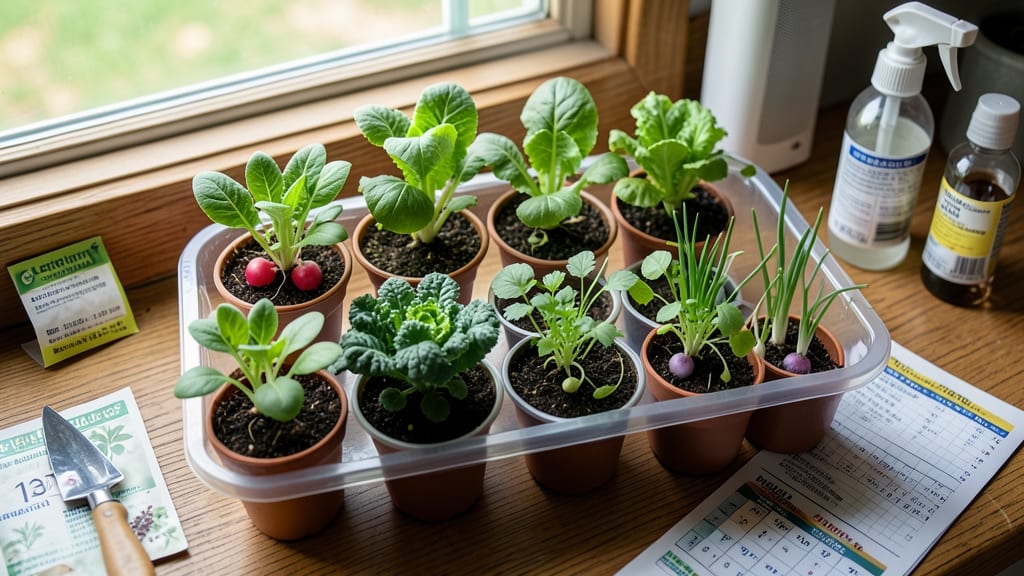
A Zone 4 seed starting calendar is your secret weapon for beating frost and growing a bountiful garden—even when the season feels too short.
Picture this: you’ve just pulled up a tray of leggy, pale seedlings, only to realize you waited too long to start them indoors. That’s the kind of mistake this calendar helps you avoid by giving you exact weeks before your last frost to begin each plant.
Zone 4 gardeners know the drill—short summers and unpredictable frosts can turn a promising crop into a gamble. But with the right timing, you can stretch your growing season, protect tender plants, and even sneak in a second harvest before winter sets in.
Below, I’ll break down the ideal indoor start dates for your top vegetables, flowers, and herbs, plus pro tips to adjust for cold snaps and extend your harvest. No more guessing—just science-backed dates to maximize your garden’s potential.
Zone 4 seed starting calendar: exact weeks before last frost for 20+ essential vegetables
In Zone 4, where the last frost typically arrives around May 10, timing your seed starts is everything. Miss the window, and you risk stunted plants or lost harvests.
But with this precise calendar, you'll know exactly when to start tomatoes, peppers, and other favorites indoors—and when to transplant outdoors for maximum success. Every plant has its own ideal timeline, so let's dive into the specifics.
First, calculate your frost-free date—most Zone 4 gardeners use May 15 as a safe average. From there, work backward using the weeks before transplanting for each plant.
For example, tomatoes and peppers need 6-8 weeks indoors before their final outdoor move, while lettuce and spinach can handle cooler temps and may only need 4 weeks.
Here's the key: hardening off seedlings is non-negotiable. This 7-10 day process of gradually exposing them to outdoor conditions prevents shock. Start this process 1-2 weeks before transplanting to give your plants the best chance of survival.
Skipping this step often leads to leggy, weak seedlings that struggle in the garden.
Now, let's get to the details. Below is your Zone 4 seed starting calendar, organized by plant type and including both indoor start dates and outdoor transplant windows. This table covers 20+ essential vegetables and accounts for early, mid, and late season varieties.
Use this as your growing season roadmap. Mark these dates on your calendar now—trust me, you won’t want to miss them! Whether you're a beginner or a seasoned gardener, these timelines will help you beat frost and extend your harvests like never before.
| Plant | Indoor Start (Weeks Before Last Frost) | Outdoor Transplant (After Last Frost) | Notes |
|---|---|---|---|
| Tomatoes | 6-8 weeks | After May 15 | Needs warm soil; use row covers early |
| Peppers | 8-10 weeks | After May 15 | Slow to germinate; keep soil warm |
| Lettuce | 4-6 weeks | March or after May 15 | Bolts in heat; succession plant |
| Spinach | 4-6 weeks | March or after May 15 | Cool-season crop; avoid summer heat |
| Basil | 6-8 weeks | After May 15 | Hates cold; transplant after frost |
| Cucumbers | 3-4 weeks | After May 15 | Fast grower; direct sow possible |
| Broccoli | 6-8 weeks | March or after May 15 | Cool-season; harvest before bolting |
| Carrots | Direct sow (March or August) | N/A | Slow to germinate; keep soil moist |
| Onions | Indoor: 10-12 weeks OR direct sow in March | After May 15 (if started indoors) |
How to adjust your Zone 4 seed starting timeline for success (common mistakes to avoid)Zone 4 gardeners know timing is everything—one week too early or late can mean the difference between thriving seedlings and wasted effort. Cold snaps and soil temperature fluctuations throw off even the most precise seed-starting plans. I’ve learned the hard way that rigid timelines fail when Mother Nature throws curveballs, so here’s how to adapt without losing your garden’s potential. First, check your last frost date—but don’t rely on averages. Local microclimates (like hills or bodies of water) can shift frost dates by 1-2 weeks. Use a soil thermometer to confirm when soil reaches 50°F for root crops or 60°F for warm-season plants. This small step prevents leggy, weak seedlings begging for sunlight they can’t handle. ⚠️ callout warning ⚠️
⚠️ Warning: Late Frost Risks
Mistake: Planting heat-lovers (tomatoes, peppers) too early. Fix: Delay sowing by 2-3 weeks if forecasts show frost after your target date. Use row covers for a 2-4°F buffer—but remove them before flowering to avoid humidity buildup. Watch for: Blackened leaves or stunted growth—signs of stress from delayed hardening. Adjust your seed-starting timeline based on seedling maturity. For example, basil needs only 6-8 weeks indoors, while tomatoes require 8-10 weeks. If you’re late starting, swap long-season crops for faster growers like bush beans (50 days) or radishes (25 days). My 2022 lesson: I planted peppers too early, and they bolted before summer heat arrived. Light is another silent saboteur. Seedlings stretched toward weak winter windows? Supplement with grow lights for 14-16 hours/day. Without this, etiolated seedlings (long, weak stems) collapse under their own weight. I now use LED bulbs on a timer—no more leggy casualties. Bottom line: Light trumps calendar dates when natural light fails. Don’t ignore hardening off—this 7-10 day process is where many gardeners trip up. Gradually expose seedlings to wind, sun, and temperature swings by moving them outside for 1-2 hours/day, then increasing time. Skip this, and you’ll lose plants to transplant shock or fungal infections. Pro tip: Harden off after your last frost but before soil warms to 70°F. Finally, track critical warning signs for delayed planting: ☑️ Seedlings flowering early (too much light/heat) ☑️ Yellowing leaves (overwatering or nutrient burn) ☑️ Stunted growth (root-bound or cold soil) If you see these, pause planting and reassess. My 2023 garden thrived because I paused after spotting blackened stems—a sign of damping off from overcrowded trays. |