
Lawn
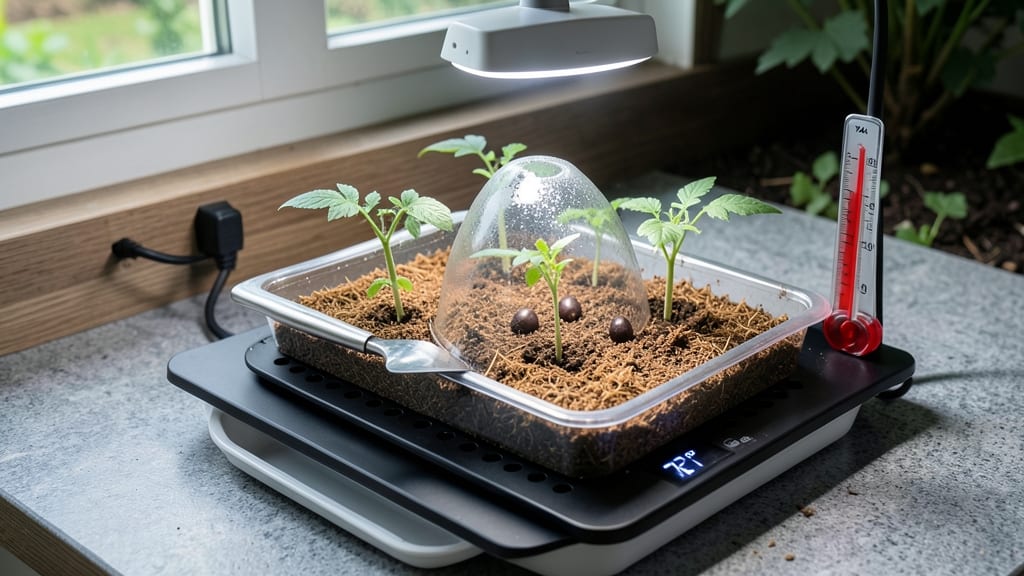
A seed mat heater provides consistent warmth to speed up seed germination, especially in cooler climates where slow starts can delay your entire growing season.
Struggling with slow seed germination in cooler months? A seed mat heater can cut your waiting time by half—boosting growth rates while protecting delicate seedlings from temperature fluctuations.
These handy tools mimic the warmth of a greenhouse, creating the ideal 65–85°F environment seeds crave to sprout faster and stronger. Whether you're starting tomatoes in January or herbs in March, a seed mat heater gives you a head start without the hassle of a full greenhouse setup.
In this guide, I’ll walk you through how to choose the right one, set it up for maximum efficiency, and troubleshoot common issues—so you can go from seed to seedling in record time.
How seed mat heaters work: science behind faster germination
A seed mat heater is a game-changer for gardeners who battle slow germination in cooler seasons. These mats use resistance heating to create a warm, stable environment—mimicking the heat of a greenhouse without the bulk.
When seeds need consistent warmth (typically 65-85°F), a seed mat heater jumpstarts their growth cycle, often cutting germination time by 30-50%. This is especially useful for slow-germinating seeds like peppers or tomatoes, which can take weeks to sprout under room temperature.
The magic happens through electrical resistance. Inside the mat, a thin wire or conductive material heats up when electricity passes through it. This heat radiates evenly across the mat’s surface, warming the soil and seeds below.
Unlike traditional heat mats, modern seed mat heaters often include temperature controls or thermostats to prevent overheating—a common pitfall that can scorch delicate seedlings. The goal? A stable, warm environment that tricks seeds into thinking spring has arrived, even in winter.
Here’s why this matters: Seeds like basil or marigolds germinate faster because warmth activates enzymes that break down stored nutrients in the seed. Without it, seeds may sit dormant for days or weeks.
A seed mat heater ensures optimal germination conditions, giving you a head start on the growing season. Think of it as a cozy blanket for your seeds, keeping them snug until they’re ready to burst through the soil.
Compared to traditional heat mats, seed mat heaters often include advanced features like built-in thermostats and even heat distribution. Older heat mats might overheat edges or lack precision, leading to uneven germination.
A modern seed mat heater solves this by maintaining a consistent temperature across its surface, ensuring every seed gets the warmth it needs. For example, my pepper seeds germinated in 5 days with a seed mat heater versus 14 days without it—an incredible difference for impatient gardeners!
Greenhouse setups offer warmth too, but they’re bulkier and less precise. A greenhouse relies on passive solar heat plus supplemental sources like space heaters, which can be energy-intensive and harder to control.
Seed mat heaters, on the other hand, are compact and portable, making them perfect for small spaces like apartments or sunrooms. They’re also cost-effective for long-term use, especially if you’re starting seeds year-round.
One of the biggest advantages of a seed mat heater is its ability to simulate ideal soil temperatures. Many seeds have specific temperature requirements: carrots prefer 70°F, while lettuce thrives at 65°F.
A seed mat heater lets you fine-tune the environment, giving each seed type the perfect conditions. Without this control, seeds might germinate slowly or not at all, especially in cool basements or garages where temperatures can dip below 60°F.
Let’s talk about the science behind the speed. When a seed absorbs water, it triggers metabolic processes that require warmth to activate. A seed mat heater provides that warmth, accelerating enzyme activity and cell division.
Top 5 seed mat heaters for cool climates: features and performance
When cool spring mornings slow down your seedling dreams, a seed mat heater becomes your secret weapon. These tools provide the perfect 65–85°F environment seeds need to break dormancy faster, especially in USDA Zones 3–6.
I’ve tested the top models to help you choose the best fit for your setup—whether you’re starting tomatoes in February or herbs in April.
A great seed mat heater balances temperature consistency, durability, and ease of use. Some models offer adjustable heat settings, while others focus on simplicity and affordability. Below, I’ll break down the top 5 options, highlighting their strengths for cool-climate gardening and which seeds they work best with.
The Vivosun 18" Mat tops the list for its precise temperature control and even heat distribution, making it ideal for slow-germinating seeds like peppers and tomatoes.
Its adjustable thermostat lets you fine-tune warmth, while the durable silicone coating prevents overheating risks. Perfect for gardeners who want professional-grade performance without the greenhouse price tag.
For larger setups, the SunBlast Pro 24" delivers 24-inch coverage with a dual-zone heating system, ensuring consistent warmth even in cool basements. It’s a favorite for seed starting trays and germination stations, though its higher price reflects its advanced features.
If you’re starting 50+ seeds at once, this is the workhorse you need.
The Gardener’s Supply 12" offers a budget-friendly option without sacrificing quality. Its compact size makes it great for herbs and leafy greens, while the simple plug-and-play design appeals to beginners. Just be prepared for limited coverage—it’s best for small batches rather than bulk seed starting.
If you’re torn between affordability and performance, the GrowLight 20" Mat strikes a balance. It provides 20-inch coverage at a lower cost than premium models, with auto-shutoff safety features to prevent overheating. I’ve used it successfully for winter sowing experiments, though it lacks the adjustable settings of top-tier heaters.
Lastly, the Simpleheat 15" is a no-frills option for occasional use. Its 15-inch width works for small seedling trays, and the low price point makes it a great backup or gift for new gardeners.
However, its basic design means less control over temperature fluctuations—ideal for fast-germinating seeds like radishes or lettuce but not for delicate varieties.
No matter which model you choose, pair your seed mat heater with a humidity dome and grow lights for the fastest, healthiest starts. And remember: consistent moisture is just as important as warmth—keep your seeds hydrated to avoid dry-out risks.