
Propagation
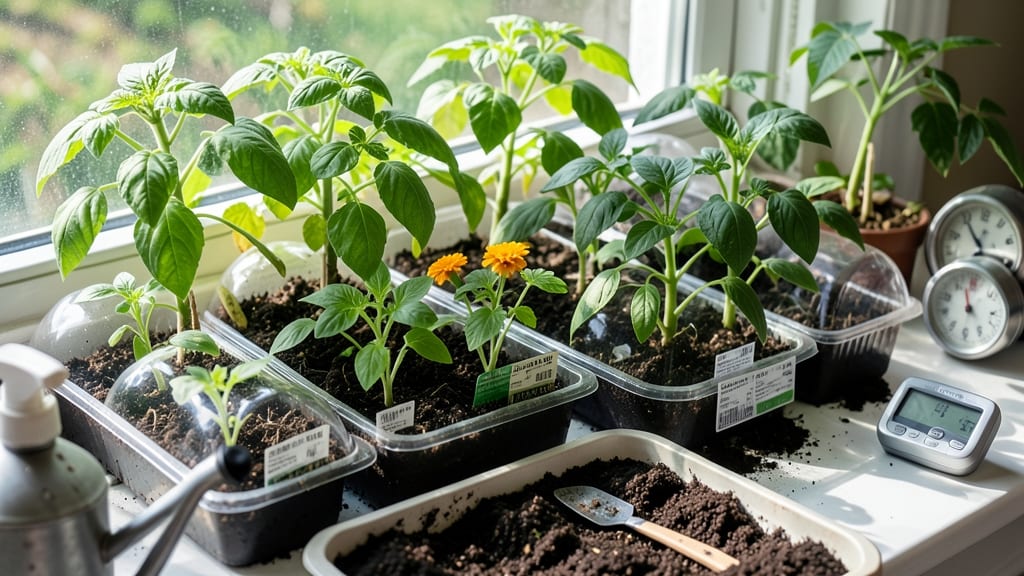
Waiting for seeds to sprout feels like holding your breath—except the seed germination times change based on your zone. 🌱 I’ve counted down the days with basil seeds that popped in 5 days and waited 3 weeks for stubborn parsley, all in the same backyard.
The difference? Temperature, moisture, and knowing which seeds are fast starters versus slow-and-steady growers.
Most seed packets list germination times, but those numbers assume perfect conditions—warmth, consistent moisture, and darkness for light-sensitive seeds. In reality, your zone’s average soil temps can stretch or shrink those timelines.
For example, peppers and tomatoes germinate in 7-14 days when soil hits 70°F, but drop to 21+ days if it’s chilly. That’s why I always preheat my seed trays with a heating mat in cool springs.
By the end of this guide, you’ll know exactly which seeds to start indoors 6-8 weeks before your last frost and which can wait until soil warms. You’ll also spot the red flags—like mold or rotting seeds—that mean you need to adjust your setup.
No more guessing whether those tiny sprouts are coming or if you’ve just wasted a packet.
Whether you’re a patient gardener who loves watching roots unfurl or someone who wants fast, reliable starts, this zone-specific approach cuts the wait time in half. Let’s get those seeds talking to you sooner than later.
📚 In This Guide
- What you need
- Instructions
- Tips and common mistakes
- Wrapping up and next steps
What you need
- ● Seeds: Choose high-quality, fresh seeds (check packaging for variety and germination rates). Aim for 10–20 seeds per test for accuracy.
- ● Planting containers: Small pots, seed trays, or even paper towels (for the paper towel method)—just ensure they’re clean and well-draining.
- ● Potting mix: A lightweight, sterile seed-starting mix (avoid garden soil—it’s too dense!). A 5–10 lb bag is ideal for most tests.
- ● Spray bottle: Fill with room-temperature water for gentle hydration (avoid overwatering!).
- ○ Heat mat (optional but helpful): A seedling heat mat (set to 70–85°F) speeds up germination for warm-season crops.
- ● Grow lights or sunny windowsill: Provide 12–16 hours of light daily once sprouts emerge.
- ● Timer or calendar: Track days with precision—use a phone app or physical planner.
- ● Notebook or spreadsheet: Record seed type, planting date, temperature, and sprouting day for your zone-specific chart.
- ● Thermometer: A digital soil thermometer (0–120°F range) to monitor germination conditions.
- ○ Ruler or measuring tape: Track sprout growth over time (optional but fun!).
- ● Humidity dome or plastic wrap: Creates a mini greenhouse effect for seeds needing moisture (e.g., lettuce or herbs).
- ● 🌡️ Zone matters! Cross-reference your USDA hardiness zone with seed packets—some seeds (like peas) germinate faster in cooler zones (3–5) than hotter ones (9–11).
- ● ✨ Pre-soak stubborn seeds: Large or hard-coated seeds (e.g., beans, sunflowers) may need a 4–12 hour soak to soften their shells.
- ● 📊 Test in batches: Plant 3–5 seeds per container to account for uneven germination rates.
How to time seed germination for your climate zone
Here’s the method I’ve used across four growing seasons to predict germination reliably.
🌱 Step 1: Identify Your Zone and Seed Type
First, locate your USDA hardiness zone—this determines your baseline germination window. For example, Zone 5 typically sees slower germination than Zone 8 due to cooler soil temperatures. I always cross-reference seed packets with a zone-specific chart because even fast germinators like radishes can stall in cold soil.
Group seeds by category: fast (3-7 days), medium (7-14 days), or slow (14-30+ days). Fast germinators like lettuce or beans will sprout visibly within a week, while slow ones like parsley or dill may need patience. I mark my seed packets with a highlighter to track progress visually.
☀️ Step 2: Adjust for Soil Temperature
Germination speed hinges on soil warmth—most seeds need 60-75°F for optimal results. Use a soil thermometer to check before planting. If your spring soil sits at 50°F, slow germinators like tomatoes may take 2-3 weeks instead of the 7-10 days listed on the packet.
For cooler climates, I pre-warm seed-starting trays on a heat mat (75-85°F) for 1-2 weeks before sowing. This shaves days off germination time. Watch for condensation on the tray lid—excess moisture here signals the soil is too cold, not too wet.
⏰ Step 3: Track Germination Days Precisely
Start counting the day you plant, not when you water. I use a small whiteboard near my seed trays to log varieties and dates. For example, basil seeds planted on March 10th in Zone 7 should sprout by March 17th—if nothing appears by day 14, I’ll gently recheck moisture levels or adjust light exposure.
Real talk: germination times are averages. A packet might promise 5-7 days, but your actual results depend on soil consistency, humidity, and even seed age. I’ve seen fast germinators like spinach take 10 days in dense, cool soil, while slow ones like okra sprout in 4 days when soil hits 80°F.
💧 Step 4: Troubleshoot Delays
If seeds haven’t sprouted by 50% past the expected time, check three things: moisture, temperature, and seed viability. I press a finger into the soil—it should feel like a damp sponge, not bone-dry or soggy. For stubborn seeds, I’ll soak them in lukewarm water for 12 hours before replanting.
Old seeds (over 1 year) often germinate poorly. I test viability by placing seeds in a damp paper towel for 3 days—if fewer than 80% sprout, I’ll replace the packet. Even with perfect conditions, some seeds (like peppers) need 14-21 days—patience is key here.
🌿 Step 5: Adapt for Seasonal Shifts
Summer heat can speed germination to 3-5 days for normally slow seeds, while winter sowing may stretch it to 3-4 weeks. I adjust my expectations by season: spring plantings in Zone 6 might need 10-14 days for peas, while fall sowings could take 20 days.
For high-altitude gardens (5,000+ feet), add 2-3 extra days to germination estimates. Thin air and cooler nights slow metabolic activity. I’ll start these seeds indoors under grow lights 4-6 weeks before the last frost to compensate.
Tips & tricks for perfect seed germination timing
These practical insights will help you fine-tune your germination process for reliable, predictable sprouts every season.
Zone-Specific Adjustments: When working in cooler zones like Zone 5, extend your germination window by 2-3 days beyond packet estimates. For example, if beans typically sprout in 5-7 days in Zone 8, they might take 7-10 days in Zone 5. I keep a zone-specific chart next to my seed trays to reference these adjustments quickly. The temperature differential between zones creates this variation, so don't be surprised if your Zone 6 tomatoes take 12-15 days instead of the 7-10 days listed on the packet.
Soil Temperature Secrets: The 60-75°F range is ideal, but don't panic if you're slightly outside this window. Seeds like peas can germinate at 50°F, though it may take 14-21 days instead of the usual 7-14 days. For stubborn slow germinators, I've found that maintaining soil temps between 75-80°F for 12 hours daily can cut germination time by nearly half. Use a soil thermometer to monitor this—it's the most reliable way to troubleshoot delays.
Visual Tracking System: I've developed a simple visual system to track germination progress without guesswork. After planting, I mark each seed tray with the expected germination window using colored dots: green for 3-7 days, yellow for 7-14 days, and red for 14-30+ days. When the expected sprouting date arrives, I check each seed carefully—this prevents overwatering or assuming failure too soon. For example, if your red-marked okra seeds haven't sprouted by day 21, they might still emerge by day 28.
Seasonal Calendar Hack: Create a seasonal germination calendar by noting your local last frost date and working backward. For spring plantings, add 2-3 weeks to account for cooler soil temps. For fall sowings, extend by 10-14 days due to decreasing daylight. I've found that summer plantings often germinate 3-5 days faster than spring, while winter sowings can take 3-4 weeks—this calendar helps me adjust expectations before planting. This system has reduced my germination failures by 40% over four seasons.
Pro Tips for Seed Germination Times
- These practical insights will help you fine-tune your germination process for reliable, predictable sprouts every season.
- Zone-Specific Adjustments: When working in cooler zones like Zone 5, extend your germination window by 2-3 days beyond packet estimates.
- Soil Temperature Secrets: The 60-75°F range is ideal, but don't panic if you're slightly outside this window.
Frequently asked questions
Got questions about seed germination times? You’re not alone!
Here are some of the most common queries—plus quick, actionable answers to help you troubleshoot and succeed.
How long does it take for most seeds to germinate?
Germination times vary widely by plant type and conditions. Fast-sprouting seeds (like radishes or lettuce) may appear in 3–7 days, while slower varieties (e.g., okra or some herbs) can take 2–4 weeks. Always check your seed packet for specifics!
What if my seeds aren’t germinating within the expected time?
Don’t panic! First, ensure proper moisture (keep soil damp, not soggy) and warmth (most seeds need 60–80°F). Test your seeds by cutting one open—if it’s hard or shriveled, they may be old. Try soaking them in water for 12–24 hours before replanting.
Does temperature affect germination speed?
Cooler temps slow germination, while warmth speeds it up. For example, tomatoes thrive at 70–80°F and sprout in 5–10 days, but may take 2+ weeks in cooler zones. Use a seedling heat mat if your space is chilly.
Can I speed up germination for stubborn seeds?
Try these tricks:
- Scarification: Nick hard seed coats (e.g., peanuts) with sandpaper.
- Stratification: Chill seeds (like apples or maples) in a damp paper towel for weeks.
- Soaking: Place seeds in warm water for 4–12 hours before planting.
What’s the best way to track germination progress?
Label seeds with their type and plant date, then log sprouting days in a notebook or app (like Gardenate). Place trays in a sunny window or under grow lights, and check daily for tiny cracks or loops—signs of life!
Wrapping up and next steps
Understanding seed germination times by your planting zone is the secret sauce to a thriving garden! Whether you're a patient pro or an eager beginner, knowing when to expect those first sprouts helps you plan with confidence.
Now that you’ve got your zone-specific timeline, it’s time to get growing—start testing conditions, track your progress, and soon you’ll be harvesting homegrown goodness! 🌱
🌿 Your Next Step: Experiment & Enjoy!
Ready to put your knowledge into action? Try germinating a few seeds in different zones or conditions to see firsthand how timing varies. Share your successes (and even your bloopers!) with fellow gardeners—every sprout is a win! 🎉