
Planting
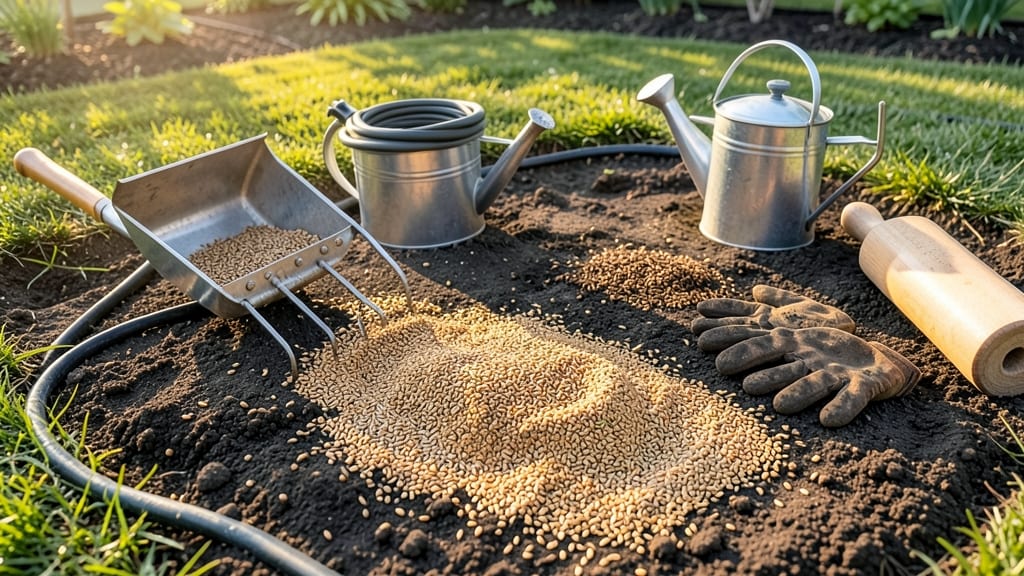
Planting lawn seed in autumn is your secret weapon for a thicker, greener lawn next spring—if you time it right and follow the right steps.
Picture this: cooler temperatures, fewer weeds, and soil that stays moist without baking under the sun. That’s why autumn is the perfect window for lawn seeding, but only if you act between early September and mid-October.
Skipping this window means dealing with summer heat stress or winter dormancy, both of which can leave your lawn patchy and weak. The key? Preparing the soil correctly, choosing the right seed mix for your climate, and keeping it consistently watered.
In this guide, I’ll walk you through the step-by-step process, from soil prep to post-planting care, so you can avoid common mistakes and grow a lawn that’s the envy of the neighborhood.
Why autumn is the best time for planting lawn seed
Autumn’s cooler temperatures create the perfect conditions for lawn seed germination. Unlike summer’s scorching heat or winter’s dormancy, fall offers ideal soil temperatures between 50°F and 70°F, which encourages strong root development.
This temperature range allows seeds to sprout quickly while giving young grass plants time to establish before winter.
Another major advantage? Fewer weeds compete with your new lawn. Weeds thrive in summer’s warmth but struggle to germinate when daytime temperatures drop below 75°F. By planting in autumn, you skip the weed wars that plague spring and summer lawns, giving your grass a head start on dominance.
Consistent moisture from autumn’s gentle rains eliminates the need for frequent watering. Unlike summer, when evaporation rates soar, fall’s lower temperatures keep soil moist longer. This means your seeds stay hydrated without the risk of overwatering or fungal growth that plagues summer plantings.
Here’s the science behind why autumn works best for lawn seeding:
| Factor | Autumn Advantage | Spring/Summer Challenge |
|---|---|---|
| Soil Temperature | 50°F–70°F (optimal germination) | Spring: 40°F–60°F (slow growth); Summer: 80°F+ (heat stress) |
| Weed Competition | Minimal weed germination | Spring/Summer: Explosive weed growth |
| Moisture Retention | Natural rainfall + lower evaporation | Summer: High evaporation requires daily watering |
| Growth Window | 4–6 weeks before frost (strong root establishment) | Spring: Limited time before summer heat; Summer: Short window before dormancy |
| Fungal Risk | Lower humidity reduces disease pressure | Summer: High humidity promotes fungal growth |
Regional climates play a role too. In cooler northern zones (USDA 3–5), aim for late August to early October when daytime highs stay below 75°F. For warmer southern zones (USDA 7–10), focus on September to early November, avoiding planting when temperatures remain above 80°F.
Autumn’s shorter daylight hours might seem counterintuitive, but they actually slow grass growth just enough to prevent rapid, weak development. This gradual growth builds disease resistance and root depth, ensuring your lawn can handle winter’s chill and spring’s demands.
Don’t overlook the soil preparation advantage either. Autumn’s mild weather makes it easier to till, aerate, and amend soil without compacting it. You can work the ground when it’s neither too dry (like summer) nor frozen (like winter), creating the perfect seedbed for your new lawn.
Even the seed-to-soil contact improves in autumn. Cooler temps prevent seeds from drying out quickly, and consistent moisture helps them make better contact with the soil. This direct contact is critical for germination—something that’s harder to achieve in summer’s dry conditions.
Finally, autumn planting gives your lawn a two-season head start. By establishing roots in fall, your grass will green up faster in spring and outcompete weeds before they take hold. That’s why pros swear by autumn as the golden window for lawn seeding.
Step-by-step guide to planting lawn seed in autumn
Autumn’s cooler temperatures and consistent moisture create ideal conditions for lawn seed germination, but success hinges on precise execution. If you skip proper soil prep or use the wrong seed mix, your lawn could struggle to establish before winter.
The good news? With the right steps, you’ll have a dense, resilient lawn by spring.
I’ve planted lawn seed in autumn for years, and the difference between a patchy lawn and a lush carpet comes down to these key actions: testing your soil, choosing the right seed blend, and maintaining moisture without overwatering.
Let’s break it down into clear, actionable steps so you can avoid common pitfalls and achieve professional results.
Your Autumn Lawn Planting Checklist
- 1 Test and prep your soil: Use a soil test kit to check pH (ideal: 6.0-7.0). Amend with compost or peat moss if needed, then till to 3-4 inches deep to loosen compacted soil.
- 2 Choose the right seed mix: Pick a blend suited to your climate zone (e.g., cool-season grasses like Kentucky Bluegrass for northern regions, warm-season grasses like Bermuda for southern areas).
- 3 Spread seed evenly: Use a broadcast spreader for large areas or hand-scatter for small patches. Aim for 5-10 lbs per 1,000 sqft, depending on seed type. Lightly rake to cover seeds with ¼-inch soil or straw.
- 4 Water lightly but frequently: Keep soil consistently moist (not soggy) with daily light watering (10-15 minutes) for the first 2 weeks. Gradually reduce to 2-3 times per week once sprouts appear.
- 5 Apply starter fertilizer: Use a low-nitrogen fertilizer (10-10-10 ratio) to encourage root growth. Spread evenly and water immediately to activate nutrients. Avoid high-nitrogen fertilizers, which can burn tender seedlings.
- 6 Mow at the right height: Once grass reaches 3-4 inches tall, mow to 2.5-3 inches using a sharp blade. Avoid mowing more than ⅓ of the blade height at once to prevent stress.
After planting, monitor your lawn closely for the first 4-6 weeks. Look for even germination—if some areas sprout faster, they may need more water. If weeds pop up, pull them by hand before they compete with your grass for nutrients.
A light mulch of straw can help retain moisture and suppress weeds without smothering seedlings.
By late autumn, your lawn should be well-established enough to handle light frost. If a hard freeze is forecast, cover bare spots with straw or mulch to protect tender roots. With these steps, you’ll wake up to a thicker, greener lawn next spring—no summer replanting required!