
Lawn
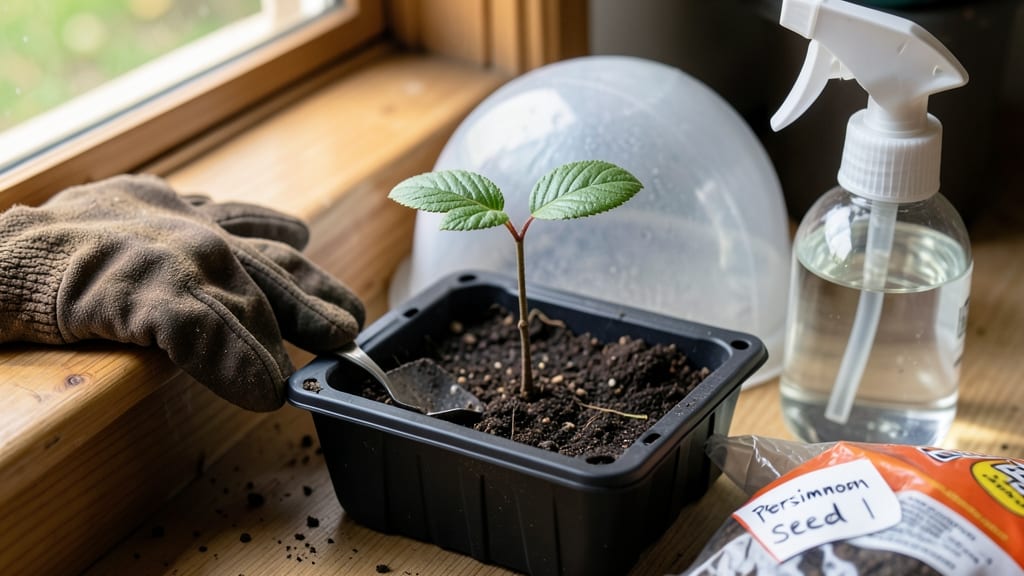
Winter persimmon seeds might seem like a lost cause, but I’ve sprouted hardy seedlings from cold-stored seeds every year—90-day growth starts in January. The trick isn’t fighting the cold but working with it.
Persimmon seeds need a chilling period to break dormancy, so winter storage actually prepares them for spring planting. Most gardeners toss these seeds after harvest, but with the right method, you’ll see frost-resistant sprouts by late spring.
Start by drying seeds thoroughly, then store them in a breathable container in the fridge for 3-4 months. This mimics nature’s winter chill, priming them to germinate faster when you’re ready to plant.
By the time soil warms in April or May, your seeds will shoot up with surprising speed—no greenhouse needed. The seedlings handle light frosts better than many fruit trees, giving you a head start on fruit production.
Plus, the orange foliage in fall adds a showstopping pop to any yard. This method works in zones 5-9, whether you’re in a snowy Midwest garden or a mild Pacific Northwest climate. The key is patience—those seeds are tougher than they look. Let’s get them growing!
📚 In This Guide
- What you need
- Instructions
- Tips and common mistakes
- Wrapping up and next steps
What you need
- ● Persimmon seeds: 10–20 fresh, viable seeds (harvested from ripe, unblemished persimmon fruit—save them from your grocery store or backyard!)
- ● Seed-starting mix: 1–2 cups of sterile, well-draining potting soil (look for a blend labeled for seedlings or seed-starting)
- ● Small pots or trays: 6–12 biodegradable peat pots (2–3 inches deep) or a seed-starting tray with cell inserts
- ● Spray bottle: 8–16 oz with water (for gentle hydration)
- ● Plastic wrap or humidity dome: 1 sheet (to create a mini greenhouse effect)
- ● Grow lights or sunny windowsill: Access to 6–8 hours of indirect light daily (or a 12–14 hour LED grow light)
- ● Paper towels or damp cloth: 1–2 sheets (for pre-sprouting seeds)
- ● Small container: 1 shallow dish (for soaking seeds, if needed)
- ● Label markers or tags: 5–10 (to track seed varieties and planting dates)
- ○ Heat mat (optional): 1 (for faster germination—set to 70–75°F)
- ● Fertilizer: 1 tbsp of balanced, water-soluble fertilizer (5-5-5 or 10-10-10, diluted to half-strength)
- ○ Thermometer (optional): 1 (to monitor soil temp—ideal range: 65–75°F)
Step-by-step guide to overwintering persimmon seeds
Here's how to coax hardy persimmon seedlings through winter—no greenhouse needed.
Harvest and Extract Seeds Properly
Wait until persimmons soften naturally in fall—this signals full ripeness. Cut open the fruit with a sharp knife and scoop out the seeds, being careful not to puncture them. Rinse seeds thoroughly under cool water to remove any remaining fruit pulp, which can ferment and rot them during stratification.
Spread the cleaned seeds on a paper towel to dry for 24-48 hours in a well-ventilated area. They're ready when the outer husks feel slightly brittle but don't crumble at the touch. Store them in a sealed container with a damp paper towel until you're ready to stratify—this maintains moisture without encouraging mold growth.
Stratify Seeds for Winter Hardiness
Fill a plastic bag with moistened peat moss or coconut coir (about 1 cup) and place the seeds 1 inch deep inside. Seal the bag loosely—you want airflow but not enough to dry out the medium. Place the bag in your refrigerator's crisper drawer where temperatures hover around 35-40°F for 90 days.
Check the seeds monthly—if the medium feels dry, mist lightly with water. The goal is consistent moisture without sogginess. This cold treatment mimics natural winter conditions, breaking seed dormancy and ensuring frost-resistant sprouts. Real talk: Skipping stratification means waiting years for germination, if it happens at all.
Sow Stratified Seeds in Containers
Fill 4-inch diameter pots with a mix of 50% potting soil and 50% perlite (about 1.5 cups total per pot). The perlite prevents compaction and improves drainage—persimmon seedlings hate soggy roots. Plant 2-3 seeds per pot at a depth of ½ inch, spacing them 1 inch apart. Gently firm the soil around them to eliminate air pockets.
Water lightly until the surface feels damp but not wet. Place the pots in a cool, bright location (like a north-facing windowsill) where temperatures stay between 50-60°F. You'll see first true leaves in 4-6 weeks—this is your cue to thin seedlings, keeping only the strongest one per pot. If multiple sprouts emerge, snip the extras at soil level with clean scissors.
Acclimate Seedlings to Outdoor Conditions
Once seedlings reach 6 inches tall with 3-4 sets of leaves, begin hardening them off. Move pots outside to a sheltered, shaded spot for 2 hours the first day, gradually increasing exposure over 10-14 days. Watch for wilting or yellowing leaves—this signals they're not ready for longer outdoor time. Persimmons are tough, but they still need to adjust to wind and temperature swings.
After 2 weeks of full-day outdoor exposure, transplant seedlings into the ground or 1-gallon containers with well-draining soil. Space them 10 feet apart if planting in the ground—persimmons need room to grow into large trees. Mulch around the base with 2 inches of wood chips to protect roots from temperature fluctuations and retain moisture.
Overwinter Young Seedlings Safely
Young persimmon trees can handle light frost once established, but their first winter requires extra care. Wrap the base of each seedling with burlap to protect against rodent damage and temperature swings. Water deeply before the first hard freeze—soil moisture helps insulate roots. In Zone 6 or colder, mound 4-6 inches of soil or mulch around the base to create a protective barrier.
Monitor seedlings weekly through winter for cracked bark or wilting—these are signs of stress. If snow accumulates, gently brush it away from branches to prevent breakage. With proper overwintering, you'll see new growth in early spring, proving your frost-resistant sprouts survived the cold. Here's the thing—patience pays off: persimmons typically bear fruit in 5-7 years, but the wait is worth it for homegrown, disease-free trees.
Tips & tricks for perfect persimmon seed overwintering
Here's what nobody tells you about turning persimmon seeds into frost-resistant seedlings—details that make all the difference between success and years of waiting.
Seed Selection: Choose seeds from fully ripe persimmons that have softened naturally—they should be pliable but not mushy. I've learned this the hard way after planting unripe seeds that refused to germinate. The natural softening indicates the seeds are ready for extraction and stratification, which is crucial for breaking dormancy.
Stratification Environment: The refrigerator's crisper drawer at 35-40°F is ideal, but if you don't have one, a basement or unheated garage works too. Just ensure the temperature stays consistent—fluctuations can confuse the seeds' internal clocks. I've seen seeds fail to germinate when moved between warm and cold spots during stratification.
Moisture Balance: When checking your seeds monthly, aim for dampness like a wrung-out sponge—not soggy, not dry. Too much moisture encourages mold, while too little prevents proper dormancy breaking. I keep a spray bottle nearby to mist lightly when needed, which helps maintain that perfect balance without overwatering.
Hardening Off: During the 10-14 day hardening process, start with just 2 hours of outdoor exposure. This gradual approach prevents transplant shock, which can stunt growth or even kill young seedlings. I've watched seedlings wilt dramatically when moved too quickly to full sun—always increase exposure slowly.
Pro Tips for Persimmon Seed Winter
- Here's what nobody tells you about turning persimmon seeds into frost-resistant seedlings—details that make all the difference between success and years of waiting.
- Seed Selection: Choose seeds from fully ripe persimmons that have softened naturally—they should be pliable but not mushy.
- Stratification Environment: The refrigerator's crisper drawer at 35-40°F is ideal, but if you don't have one, a basement or unheated garage works too.
Frequently asked questions
Can persimmon seeds really survive winter outdoors?
Yes! Persimmon seeds are hardy and can handle light frosts (down to 20°F/-7°C) if planted in well-draining soil. Mulch with straw or leaves to insulate roots. For colder climates, start seeds indoors in late fall and transplant after the last frost. Young sprouts are tender—wait until spring to move them outside permanently.
How long does it take for persimmon seeds to sprout in winter?
With proper care, persimmon seeds typically sprout in 2–4 weeks indoors (warmer temps) or 4–8 weeks outdoors (cooler soil). Use a heat mat to speed up germination if your space is chilly. Patience is key—some seeds may take longer, especially in cold, damp soil. Keep soil moist (not soggy) and monitor for tiny green shoots!
What’s the best alternative if my persimmon seeds won’t sprout?
If your seeds refuse to sprout after 6–8 weeks, try these fixes:
- Soak them overnight in warm water to soften the hard outer shell.
- Check for rot—discard mushy or moldy seeds.
- Plant fresh seeds from a new persimmon (some varieties sprout better than others).
- Switch to store-bought seedlings for a guaranteed tree (though it’s less rewarding!).
Do I need to adjust watering during winter?
Winter watering is a balancing act. Soil stays damp longer, so:
- Water only when the top inch is dry (stick your finger in to check).
- Avoid overwatering, which can cause root rot in cold soil.
- Use a drip irrigation system or soaker hose to prevent freezing damage.
- Mulch heavily (3–4 inches) to retain moisture and insulate roots.
Can I transplant persimmon seedlings in winter?
Transplanting in winter is risky but possible if you:
- Choose a mild winter day (above 40°F/4°C).
- Dig a hole twice as wide as the root ball and amend with compost.
- Water thoroughly before and after transplanting.
- Avoid moving seedlings during frost or freezing temps—wait for spring!
Pro tip: If you must transplant in winter, cover the seedling with burlap for the first few nights to protect it from wind and cold.
Wrapping up and next steps
Growing persimmon seed winter sprouts is a rewarding way to bring a touch of nature to your lawn—even in colder months! With just a few simple materials and patience, you can enjoy frost-resistant greenery in as little as 90 days.
Whether you're a gardening novice or a seasoned green thumb, this project is a fun and sustainable way to enhance your outdoor space.
Ready to take the next step? Start with a single seed today—your future winter garden awaits! 🌱❄️