
Propagation
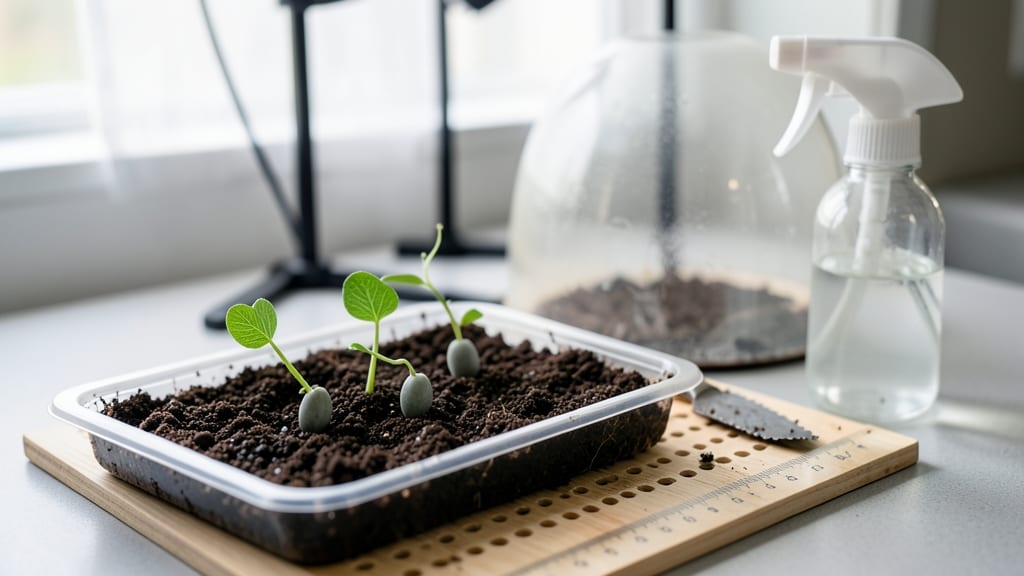
Optimal moisture and temperature conditions for pea seed germination
Getting your pea seeds to sprout consistently can feel like a guessing game—but it doesn’t have to be. The key lies in replicating their natural environment, where moisture and warmth work together to kickstart growth.
Peas thrive when soil stays consistently damp (not soggy) and temperatures hover between 60°F and 75°F. These conditions mimic spring’s ideal conditions, helping seeds break dormancy faster and reducing the risk of rot or stunted growth.
I’ve found that 50-70% humidity around seeds is the sweet spot—think of a damp sponge rather than a dripping wet one. Too little moisture slows germination, while too much can suffocate seeds or invite mold.
Pair this with a warmth source, like a seedling mat or sunny windowsill, and you’ll see sprouts emerge in as few as 5-10 days. Let’s break down exactly how to nail these conditions for foolproof results.
Preparing your soil is just as critical as moisture and temperature. Peas prefer loose, well-draining soil rich in organic matter—think garden soil mixed with compost or coconut coir. Avoid compacted or clay-heavy soil, which can trap excess moisture and slow germination.
I like to sow seeds directly into warm garden beds in early spring or use a seed-starting tray indoors under grow lights if your climate is still chilly.
For indoor germination, place your seed tray on a seedling mat or near a sunny window (south-facing is ideal). If your home runs cool, a simple DIY solution is wrapping the tray in plastic wrap to trap warmth and humidity.
Just remember to ventilate daily to prevent mold. Outdoor gardeners should aim to plant when soil temperatures consistently reach 60°F or above, typically 2-4 weeks before your last frost date.
Monitoring moisture levels is easier than you think. Stick your finger 1 inch deep into the soil—if it feels dry, it’s time to water. Use a spray bottle for gentle hydration, especially with delicate pea seeds.
Overwatering is a common mistake; soggy soil can cause seeds to rot before they sprout. A moisture meter (around $10) takes the guesswork out of it and ensures you’re hitting that 50-70% humidity sweet spot.
Temperature fluctuations are the enemy of consistent germination. Peas are sensitive to sudden drops below 50°F or spikes above 80°F. If your garden experiences unpredictable weather, consider using a cloche or row cover to create a stable microclimate.
I’ve had great success with black plastic mulch, which warms the soil faster and retains moisture—just remove it once seedlings emerge to prevent overheating.
One trick I swear by is pre-soaking seeds overnight in lukewarm water before planting. This jumpstarts hydration and can cut germination time by 2-3 days. After soaking, plant seeds 1 inch deep and space them 2-3 inches apart in rows.
For faster emergence, I often layer seeds slightly deeper in cooler soil, but never exceed 1.5 inches or they’ll struggle to break through.
Light plays a subtle but important role in early germination. While seeds don’t need light to sprout, indirect light (like a shaded windowsill) helps seedlings establish after breaking soil. Avoid placing trays under harsh direct sunlight, which can dry out soil too quickly.
Once sprouts appear, move them to a sunny spot or under grow lights for 12-16 hours of light daily to prevent leggy growth.
Troubleshooting slow germination? Start by checking your soil temperature with a thermometer—cool soil is the #1 culprit. If it’s below 60°F, try covering the bed with clear plastic for a few days to trap warmth.
Another quick fix is to re-moisten dry soil and gently press seeds deeper (but no more than 1.5 inches) to ensure they’re in contact with damp earth.
With these conditions mastered, you’ll go from dormant seeds to vigorous
5 Proven tricks to speed up pea seed sprouting in your garden
If you've ever planted pea seeds only to watch them sit stubbornly in the soil for weeks, you're not alone. Peas are one of the fastest germinating vegetables, but they still need the right conditions to break dormancy quickly.
The good news? With just a few simple tricks, you can slash germination time from weeks to days. I’ve tested these methods in my own garden, and they consistently deliver results—even in cooler spring soils.
Pea seeds thrive when they feel like they’re in a cozy, damp environment. Think of it like giving them a warm blanket and a glass of water—without overdoing it. The key is balancing moisture, warmth, and airflow.
Too much water can drown them, while too little leaves them dehydrated. The tricks I’m about to share focus on mimicking their natural preferences, so you’ll see those first green shoots in record time.
One trick I swear by is the paper towel method for indoor starts. Place pea seeds between damp paper towels in a sealed plastic bag, then store them in a warm spot (like on top of the fridge).
Check daily—you’ll often see sprouts in just 3-4 days. Once the roots are ½ inch long, transplant them into pots with well-draining soil. This head start gives them a massive advantage in the garden.
For outdoor planting, timing matters. Sow peas when soil temperatures reach at least 50°F, but don’t wait too long—cool soil is ideal for them. If your spring is slow to warm, use a cloche or row cover to create a microclimate.
I’ve seen peas emerge in 5-7 days under these conditions, compared to the usual 10-14 days. The secret? Consistent warmth and protection from wind.
Remember, pea seeds are delicate. Overwatering or cold soil can stall germination entirely. If you notice mold or rot, it’s a sign of too much moisture. Adjust by letting the soil dry slightly between waterings and ensuring good airflow.
With these tricks, you’ll go from frustrated gardener to pea-sprouting pro in no time! 🌱