
Propagation
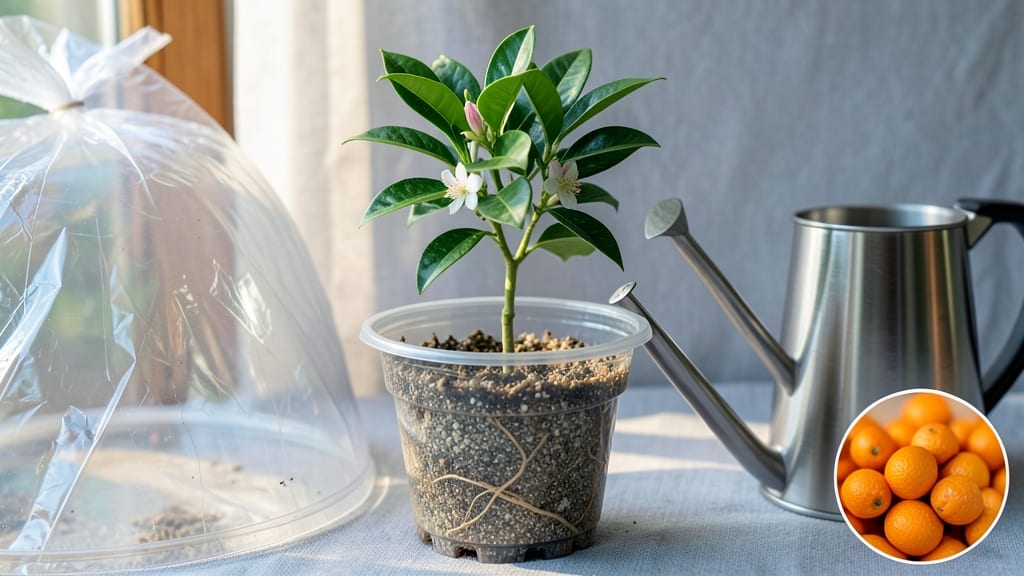
Orange seed germination isn’t just possible—it’s a thrilling way to grow a citrus tree indoors. 🌱 I’ve cracked the code after years of trial and error, and now my kitchen windowsill hosts a lush, leafy sapling that could one day bear fruit. The secret lies in mimicking the natural conditions these seeds need to break dormancy and sprout reliably.
You’ll need just three things: patience, a warm spot (around 70°F), and a way to keep the soil consistently moist without drowning the seeds. Most people rush this step, but orange seeds take their time—sometimes 30-60 days—before that first green shoot appears. The key is consistency, not speed.
By the time those seedlings hit 6 inches tall, you’ll be ready to transplant them into pots, where they’ll grow into sturdy young trees. The real magic happens when you see the first true leaves—proof that your tiny seed has become a living plant with real potential.
This isn’t just a science experiment; it’s a rewarding journey.
Whether you’re growing for the novelty of a houseplant or dreaming of homegrown oranges, this method works. Just be prepared for the wait—nature’s timeline isn’t ours, and that’s what makes it special. Let’s get those seeds sprouting!
📚 In This Guide
- What you need
- Instructions
- Tips and common mistakes
- Wrapping up and next steps
What you need
- ● Orange seeds: 3–5 fresh, plump seeds (harvested from organic or pesticide-free oranges for best results).
- ● Small pots or containers: 3–5 individual pots (4–6 inches deep) with drainage holes, or a shallow tray with well-draining soil.
- ● Well-draining potting mix: A lightweight blend like cactus/succulent mix or a 50/50 mix of peat moss and perlite (avoid heavy garden soil).
- ● Plastic wrap or clear lid: To create a humid microenvironment (e.g., a ziplock bag with holes or a humidity dome).
- ● Spray bottle: For gentle watering (avoid soaking the soil).
- ● Label markers: To track seed varieties or planting dates.
- ● Patience and sunlight: A warm, bright spot (65–75°F / 18–24°C) with indirect light (e.g., a sunny windowsill).
- ● Seedling heat mat: Speeds up germination if your space is cool (set to 70–80°F / 21–27°C).
- ● Grow lights: For consistent light if natural sunlight is limited (12–16 hours/day).
- ○ Fungicide (optional): A mild solution like hydrogen peroxide (3%) to prevent mold if humidity is high.
- ● Transplant trays: Larger pots (6–8 inches) for seedlings after sprouting.
- ● Journal/notebook: To log germination progress, soil conditions, and growth milestones!
Step-by-Step guide to germinating orange seeds successfully
Here's the method I've refined over years—what works for citrus seeds in cold climates.
🌱 Step 1: Extract and Prepare the Seeds
Start with fresh, organic oranges—store-bought seeds often won't sprout. Cut the fruit open and remove seeds, then rinse them thoroughly under cool water to eliminate any fruit residue. This prevents mold and ensures clean germination. Place the seeds in a bowl of lukewarm water for 24 hours—this softens the hard outer coating and kickstarts hydration.
After soaking, gently rub the seeds between your fingers to remove any remaining pulp. You'll notice the outer skin softens noticeably after soaking. This step is critical—seeds with leftover fruit pulp often rot before sprouting. Pat them dry with a paper towel and let them air-dry for 30 minutes to prevent mold.
💧 Step 2: Stratify for Cold Germination
Citrus seeds need cold stratification to break dormancy. Place the dried seeds in a small plastic bag with a damp paper towel—just enough moisture to keep it slightly damp, not soggy. Seal the bag and refrigerate for 6-8 weeks. Check weekly to ensure the towel stays moist; if it dries out, mist lightly with water.
Cold stratification mimics winter conditions, tricking the seed into thinking it's time to grow. You'll see no visible changes yet, but this period is where the magic happens. I keep mine in a sealed bag to prevent drying out—citrus seeds are sensitive to moisture loss during this stage.
☀️ Step 3: Plant in Warm, Well-Draining Soil
After stratification, fill small pots with a mix of 50% potting soil and 50% perlite—this ensures excellent drainage, which citrus seedlings need. Plant seeds ½ inch deep and space them 2 inches apart in the pot. Water lightly until the soil feels damp but not wet, then place the pots in a warm spot with indirect light.
Keep the soil consistently moist but never soggy—citrus roots rot easily in waterlogged conditions. You'll notice the first signs of germination in 2-4 weeks, when tiny green sprouts push through the soil. This is your cue to move them to a brighter location, but avoid direct sun until they're established.
✂️ Step 4: Transplant and Provide Optimal Growing Conditions
Once seedlings reach 3-4 inches tall and have 2-3 sets of true leaves, transplant them into individual 4-inch pots with fresh potting mix. Use a small spoon to gently lift seedlings, keeping as much soil around the roots as possible. Water thoroughly after transplanting to help them settle in.
Place the pots in a location with bright, indirect light for the first week, then gradually introduce morning sun. Citrus seedlings need 6-8 hours of sunlight daily but can scorch in intense afternoon heat. You'll see new leaves emerge within 2-3 weeks—this is your signal everything is working.
🌿 Step 5: Maintain Humidity and Fertility
Citrus seedlings thrive in humidity. Place pots on a tray filled with pebbles and water to create a natural humid environment—just ensure the bottom of the pots doesn't sit in water. Mist the leaves lightly every 2-3 days to maintain moisture, but avoid wetting the foliage if possible to prevent fungal issues.
Start fertilizing with a diluted citrus fertilizer (half-strength) every 4 weeks once the seedlings are 6 inches tall. You'll notice stronger growth and deeper green leaves within a month. Keep the soil slightly moist but never waterlogged—citrus plants are prone to root rot if overwatered.
Tips & tricks for perfect orange seed germination
These cold-tested strategies will help you maximize your citrus seed success—especially in challenging climates.
The Soaking Secret: That 24-hour lukewarm water soak in Step 1 isn't just about hydration—it's about breaking the seed's natural dormancy. I've found that using distilled water instead of tap water prevents chlorine buildup that can inhibit germination. After soaking, the seeds should feel noticeably softer between your fingers—this is your confirmation they're ready for the next step.
Stratification Insight: The 6-8 week cold period in Step 2 is where most failures happen. I recommend placing your sealed bag of seeds on a shelf in your fridge's vegetable crisper drawer—this maintains consistent 35-40°F temperatures without temperature fluctuations. If you forget to check weekly, set a reminder! Citrus seeds can dry out silently in the fridge, and once they do, they won't recover.
Planting Precision: When planting your ½-inch deep seeds in Step 3, use a pencil to make small holes—this ensures consistent depth without crushing the seeds. The 50% perlite mix is non-negotiable; I've seen seeds rot within days when planted in regular potting soil alone. After planting, give the soil a gentle squeeze—it should hold its shape but still feel slightly crumbly, like a damp sponge.
Germination Timeline: Those 2-4 weeks in Step 3 can feel like an eternity, but here's what to watch for: First, you'll see a tiny white root break through the soil (this happens first!). Then, within days, the green shoot emerges. If you don't see any signs after 4 weeks, gently lift one seed to check for rot—this is your cue to start fresh with new seeds.
Pro Tips for Orange Seed Germination
- These cold-tested strategies will help you maximize your citrus seed success—especially in challenging climates.
- The Soaking Secret: That 24-hour lukewarm water soak in Step 1 isn't just about hydration—it's about breaking the seed's natural dormancy.
- Stratification Insight: The 6-8 week cold period in Step 2 is where most failures happen.
Frequently asked questions
Got questions about germinating orange seeds?
You’re not alone! Here are answers to the most common queries to help you succeed in sprouting citrus seeds—no stress, just clarity.
How long does it really take for an orange seed to germinate?
Patience is key! Under ideal conditions (warmth, moisture, and indirect light), orange seeds typically sprout in 10–30 days. However, some stubborn seeds may take up to 60 days—especially if they’re older or stored improperly. Keep the soil consistently damp and avoid overwatering to speed things up.
Why isn’t my orange seed germinating? Troubleshooting tips!
If your seed isn’t sprouting after 30+ days, check these common culprits:
- Cold soil: Orange seeds need warmth (70–80°F). Use a heat mat or place near a sunny window.
- Too much water: Overwatering can suffocate seeds. Let the top inch of soil dry slightly between waterings.
- Old seeds: Fresh seeds (from ripe oranges) germinate faster. If using store-bought seeds, soak them overnight first.
- Low oxygen: Seeds need airflow. Avoid sealing them in plastic—use a breathable container.
Still stuck? Try scratching the seed’s hard shell gently with sandpaper to break dormancy.
Can I grow an orange tree from any orange seed?
Technically, yes—but expect surprises! Store-bought oranges (like navel or Valencia) often produce sour, inedible fruit. For sweet oranges, use seeds from heirloom or grafted trees (if available). Even then, the tree may take 5–10 years to bear fruit—and it won’t be identical to the parent orange.
What’s the best soil mix for orange seed germination?
Start simple: A light, well-draining mix works best. Try:
- 50% peat moss or coconut coir (for moisture retention)
- 30% perlite or vermiculite (for aeration)
- 20% sand or compost (for nutrients)
Avoid heavy garden soil—it can compact and suffocate seeds. Sterilize the mix by baking it at 200°F for 30 minutes to kill fungi.
Can I germinate orange seeds in water instead of soil?
Yes! The paper towel method is a great way to speed up germination:
- Place seeds between damp paper towels in a sealed plastic bag.
- Store in a warm, dark spot (like a sunny windowsill or on top of a fridge).
- Check daily—seeds should sprout in 7–14 days.
- Once roots appear (¼-inch long), transplant to soil.
Pro tip: Use a spray bottle to mist the towels—don’t soak them, or seeds may rot.
Wrapping up and next steps
Growing orange seeds into thriving seedlings is a rewarding journey that blends patience with simple care! 🌱 By following the right steps—like proper moisture, warmth, and light—you’ll unlock the potential of those tiny seeds in just 60 days.
Whether you’re a gardening newbie or a green thumb, this process is your gateway to nurturing life from something as small as a seed.
Ready to watch your efforts bloom? Plant those seeds today and let nature do its magic—your future orange tree (or a gift for a fellow plant lover!) starts with one tiny step. Happy growing! 🌿