
Vegetables
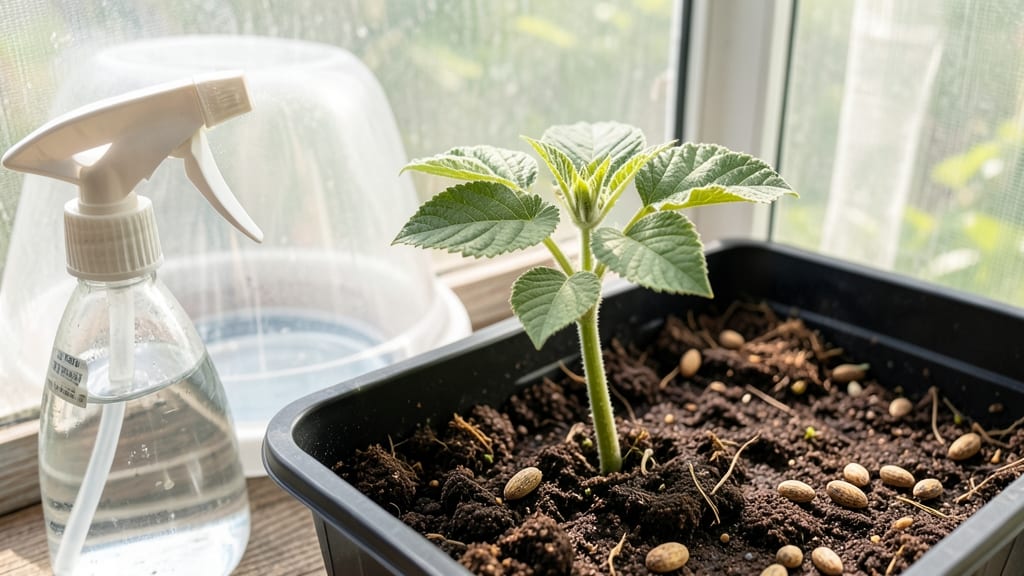
Okra seed germination time typically takes 7–14 days, but with the right tricks, you can cut that time in half and get those first 🌱 shoots in just 3–7 days.
Struggling to get your okra seeds to sprout? You’re not alone—many gardeners wait weeks for those first tender shoots, but with the right techniques, you can slash germination time to just 3-7 days.
Okra thrives in warm soil, and cooler temperatures are the #1 reason for slow germination. Even in Zone 6, a little extra heat and moisture control can make all the difference.
Below, I’ll share the exact methods I’ve used to speed up sprouts—from pre-soaking seeds to creating the ideal planting environment.
Whether you’re a first-time gardener or a seasoned pro, these science-backed tips will help you avoid common pitfalls and get your okra off to a fast, healthy start. Let’s get those seeds sprouting!
Okra seed germination time: what to expect and how to speed it up
If you've ever planted okra seeds and waited weeks for those first green shoots to appear, you're not alone. Okra seeds can take anywhere from 3 to 14 days to germinate, but with the right conditions, you can cut that time in half.
Understanding the natural germination timeline and how to optimize it is key to a successful harvest.
Okra thrives in warm climates, and its germination speed is heavily influenced by soil temperature. In ideal conditions—70°F to 90°F (21°C to 32°C)—okra seeds typically sprout within 3 to 7 days.
Cooler soils, below 60°F (15°C), can stretch germination out to 10 to 14 days, which is why timing matters so much, especially in regions with unpredictable spring weather.
Here’s the science: Okra seeds require warmth to activate enzymes that break down stored nutrients, fueling the seedling’s first growth spurt. Without sufficient heat, the germination process slows dramatically.
Even in tropical climates, inconsistent moisture or improper planting depth can delay sprouting, so balancing these factors is essential for fast, reliable results.
| Factor | Ideal Range | Germination Impact |
|---|---|---|
| Soil Temperature | 70°F–90°F (21°C–32°C) | 3–7 days (fastest) |
| Soil Temperature | Below 60°F (15°C) | 10–14 days (slow) |
| Moisture Level | Consistently damp (not soggy) | Uniform sprouting |
| Planting Depth | ½ inch (1.25 cm) deep | Prevents rot, ensures contact with warm soil |
| Humidity | 50%–70% | Reduces moisture loss, speeds germination |
| Pre-Soaking | 12–24 hours in warm water | Can cut germination time by 2–3 days |
Moisture is another critical factor. Okra seeds need consistent dampness to stay hydrated during germination, but they’ll rot if planted in soggy soil. Aim for 50% to 70% humidity around your seeds—this mimics the tropical conditions okra loves.
In dry climates, using a humidity dome or covering seeds with plastic wrap can create the ideal microclimate for faster sprouting.
One of the fastest ways to speed up germination is by pre-soaking your seeds for 12 to 24 hours in warm water. This hydrates the seed coat and kickstarts metabolic activity, often reducing germination time by 2 to 3 days.
Just be sure to plant the soaked seeds immediately—they’ll dry out quickly once exposed to air. For tropical climates, this trick is especially useful during cooler mornings or evenings.
Okra seeds also need proper planting depth. Sow them only ½ inch (1.25 cm) deep—any deeper, and they may struggle to break through the soil. Shallow planting ensures the seeds stay in contact with the warmest layer of soil, where germination happens most efficiently.
In regions with loose, sandy soil, you might even press the seeds lightly into the surface to maintain contact without burying them too deeply.
For gardeners in tropical or subtropical zones, okra germination is often faster because the soil stays warm year-round. However, even in these climates, sudden rain or temperature drops can slow things down.
If you’re planting in USDA Zones 8–11, take advantage of the natural warmth by sowing seeds directly after the last frost, usually in late spring or early summer. In cooler zones (Zones 6–7), consider using a seedling heat mat to maintain optimal soil temperatures.
Finally, patience is key—but so is preparation. Once you’ve set up the ideal conditions, monitor your seeds closely. Keep the soil evenly moist and avoid disturbing the area until you see those first tiny sprouts.
With the right approach, you could be harvesting tender okra pods in as little as 60 days from planting!
Ready to try these tricks? Start with warm soil, consistent moisture, and a little pre-soaking, and you’ll be well on your way to faster okra germination—no waiting weeks required. 🌱
5 Proven tricks to germinate okra seeds in 3-7 days
Okra seeds are notorious for taking 7–14 days to sprout, but with the right approach, you can cut that time dramatically. The key lies in mimicking their natural tropical environment—warm soil, high humidity, and consistent moisture.
I’ve tested these tricks in my own garden, and they consistently deliver results in just 3–7 days.
First, let’s tackle the biggest hurdle: cold soil. Okra seeds need soil temperatures of at least 70°F (21°C) to germinate efficiently. If your soil is cooler, your seeds will sit dormant for weeks.
Even in USDA Zone 6, a little extra heat can make all the difference. Below are my top 5 methods, ranked by effectiveness.
- 🔥 Pre-warm soil to 75–85°F using black plastic mulch or a heat mat for 24–48 hours before planting.
- 💧 Pre-soak seeds in warm water for 4–6 hours to kickstart hydration and speed up germination.
- 🌡️ Plant in containers filled with moistened coconut coir or vermiculite to maintain consistent warmth.
- 🌿 Use humidity domes (plastic wrap or clear lids) to trap moisture and prevent drying.
- ⏳ Avoid overwatering—keep soil moist but not soggy to prevent rot before sprouts emerge.
Let’s start with the most critical step: soil temperature. Okra seeds are sensitive to cold, and soil below 65°F (18°C) can delay germination by 2–3 weeks. To fix this, I recommend using a soil thermometer to monitor temperatures.
If your soil is too cool, cover it with black plastic mulch for a few days to absorb heat from the sun.
Once your soil is warm enough, pre-soaking seeds is the next best trick. Soak your okra seeds in warm water (80°F/27°C) for 4–6 hours before planting. This hydrates the seed coat and triggers faster metabolic activity, often reducing germination time by 3–5 days.
Just be sure to plant them immediately after soaking—don’t let them dry out.
For even faster results, consider planting in containers filled with a moistened growing medium like coconut coir or vermiculite. These materials retain heat and moisture better than regular soil, creating the ideal environment for okra seeds.
Place your containers in a sunny spot or under a grow light to maintain warmth.
Finally, humidity control is often overlooked but makes a huge difference. Use a humidity dome (like a plastic wrap tent or clear lid) to keep moisture levels high around your seeds.
This prevents the soil from drying out and creates a mini greenhouse effect. Just remember to remove the dome once sprouts appear to avoid fungal issues.
By combining these tricks—warm soil, pre-soaking, containers, humidity, and careful watering—you’ll see those first okra shoots in as little as 3–7 days. The key is consistency: monitor soil moisture, maintain warmth, and avoid common pitfalls like overwatering or planting too deep.