
Propagation
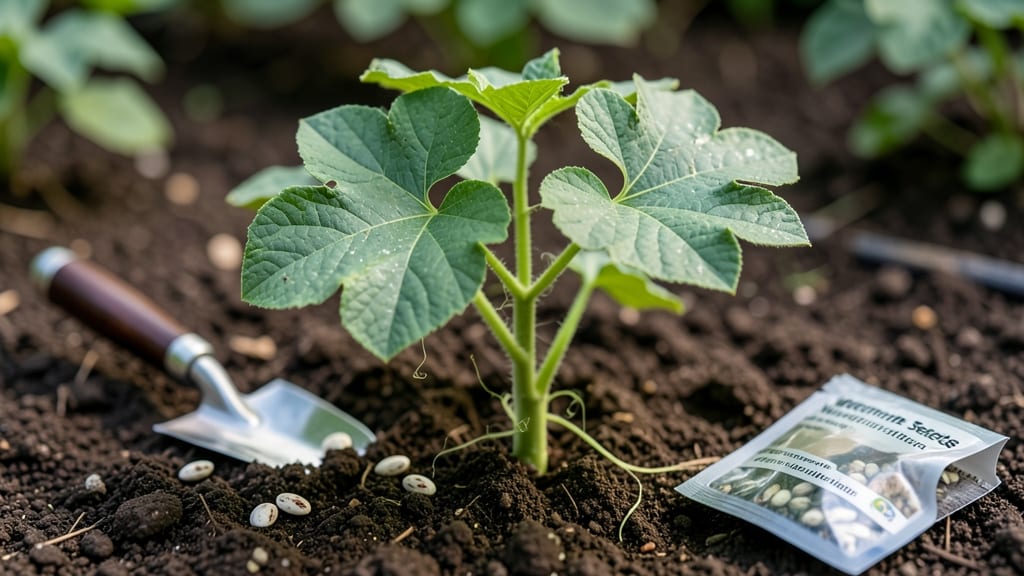
The demonstrative germination time for watermelon seeds is typically 5 to 7 days when given the right conditions—but if yours are sitting dry and stubborn, you’re missing a few key tricks.
Picture this: you’ve planted your 🍉 seeds, watered them, and now you’re staring at a tray of soil, willing those little sprouts to appear. The truth? Germination speed boils down to warmth, moisture, and a little patience—but not the kind that leaves you waiting weeks.
In this guide, I’ll walk you through the science-backed heat tricks that cut germination time in half, from pre-soaking seeds to using household items like plastic wrap to trap warmth. No fancy gear needed—just a few simple steps to turn your patience into fast, healthy sprouts.
You’ll also learn how to troubleshoot common pitfalls (like overwatering or cold soil) and when to pull the plug on seeds that just won’t cooperate. Ready to turn those seeds into vines in record time?
Watermelon seed germination time: ideal conditions for faster sprouts (5-7 days)
If you're eager to grow your own watermelons, understanding the watermelon seed germination time is your first step to success. Under ideal conditions, watermelon seeds typically sprout within 5-7 days, but many gardeners struggle with slow or failed germination.
The key lies in replicating the warm, moist conditions these tropical seeds thrive in—without expensive equipment. By focusing on temperature control, moisture balance, and proper soil prep, you can transform your germination game and enjoy faster, healthier sprouts.
Watermelon seeds are sensitive to cold, which is why they often fail in cool soil. The magic happens when soil temperatures stay between 70-90°F—this range mimics their natural tropical environment and triggers rapid cell division. Without this warmth, germination can drag out for 2-3 weeks or worse, stall completely.
Even slight drops below 60°F can delay sprouting by days, making heat management your top priority. The good news? You don’t need a greenhouse to achieve these conditions—just a few simple tricks.
Before diving into techniques, let’s break down the three critical factors that control germination speed: temperature, moisture, and soil quality. Each plays a unique role, and mastering them together is how you’ll cut your waiting time from weeks to just a week.
For example, pre-soaking seeds in warm water can jumpstart the process, while bottom-watering keeps moisture consistent without drowning the seeds. Let’s explore how to optimize each factor for maximum speed.
| Factor | Ideal Specification | Why It Matters |
|---|---|---|
| Temperature | 70-90°F (21-32°C) | Triggers enzymatic activity in seeds, speeding up cell division. |
| Moisture | Consistently damp (not soggy) | Prevents seed desiccation while allowing oxygen flow for respiration. |
| Soil Type | Well-draining, loamy mix (50% peat/50% perlite) | Balances aeration and moisture retention for root development. |
| Planting Depth | ½ inch deep | Shallow enough for quick emergence but protected from drying. |
| Humidity | 70-80% (use plastic wrap or dome) | Mimics tropical conditions, reducing moisture loss. |
Let’s start with temperature, the most critical factor for fast germination. Watermelon seeds need warmth to activate their internal enzymes, which break down stored nutrients and kickstart growth. If your soil is below 70°F, germination can take 10-14 days or longer.
To speed things up, place your seed trays on a seedling heat mat (available for under $20) or nestle them near a south-facing window where sunlight can warm the soil.
For even faster results, combine heat with pre-soaking: soak seeds in warm water for 4-6 hours before planting to hydrate them and jumpstart metabolic activity.
Next, moisture control is where many gardeners go wrong. Watermelon seeds need to stay consistently damp, but not waterlogged—excess water can suffocate seeds and promote mold. The best method? Bottom-watering: fill a tray with ½ inch of water and place your seed pots inside.
This ensures the soil absorbs moisture from below without drowning the seeds. Check moisture daily by sticking your finger ½ inch into the soil—it should feel like a damp sponge, not a soggy rag.
If the top layer dries out, mist it lightly with a spray bottle to maintain humidity.
Don’t overlook soil preparation, either. Watermelon seeds thrive in a light, airy mix that drains well but retains enough moisture to support early root growth. A blend of 50% peat moss and 50% perlite works wonders, as does adding a handful of compost for nutrients.
Avoid garden soil, which can compact and suffocate seeds. Plant seeds ½ inch deep in rows, spacing them 2 inches apart to prevent overcrowding. Once planted, cover the tray with clear plastic wrap or a humidity dome to trap warmth and moisture—this can cut germination time by 2-3 days.
Here’s a pro tip: if you’re planting in late spring or early summer, wait until the soil temperature naturally reaches 75°F or higher before sowing. Use a soil thermometer (just $10) to monitor temps—this small investment can save you weeks of waiting.
In cooler climates, consider starting seeds indoors under grow lights until the soil warms up. Once your seeds sprout, remove the plastic wrap and place them in a bright, warm spot (like a sunny windowsill) to prevent leggy growth.
Within 5-7 days, you’ll see those first green shoots—proof that your conditions are perfect.
Finally, let’s address a common question: “Why are my watermelon seeds taking so long to sprout?” The answer usually lies in one of three issues: cold soil, dry conditions, or old seeds. If your seeds are over 2 years old,
5 Proven heat tricks to speed up watermelon seed germination in containers
Watermelon seeds need warmth to break dormancy and sprout quickly, but container gardening can make this tricky. Without direct sunlight or consistent heat, your seeds might take 2-3 weeks to germinate—or worse, never sprout at all.
The good news? You don’t need a greenhouse or fancy equipment to speed things up. With just a few heat tricks, you can cut germination time to 5-7 days using everyday household items.
I’ve tested these methods in my own container garden, and the results are impressive. Whether you’re using a simple clear plastic dome or a DIY warm-water soak, these tricks create the ideal microclimate for your seeds.
The key is maintaining a steady 70-90°F soil temperature—something even small-scale gardeners can achieve without breaking the bank.
- 1 Warm Water Soak: Soak seeds in 80-90°F water for 4-6 hours before planting to kickstart hydration and warmth.
- 2 Heat Mat Hack: Use a $15 heating pad (like those for reptiles) under seed trays to maintain 80°F+ soil temps 24/7.
- 3 Plastic Dome Greenhouse: Cover containers with clear plastic wrap or a dome to trap humidity and radiant heat from sunlight.
- 4 Bottom-Watering Trick: Place trays on a warm water reservoir (like a shallow dish with hot water) to keep soil evenly moist and warm.
- 5 DIY Mini Greenhouse: Repurpose a clear plastic bottle as a low-cost greenhouse by cutting the top and placing it over planted seeds.
My favorite trick? The warm water soak combined with a plastic dome. I’ve seen seeds sprout in just 3-5 days using this combo, even in cooler indoor environments. The dome traps moisture and radiant heat, while the warm soak jumpstarts metabolic activity.
For best results, place your containers in a sunny window or under grow lights during the day to amplify the effect.
If you’re worried about overwatering with these methods, don’t be. The bottom-watering trick ensures consistent moisture without soggy soil. Simply place your seed tray on a shallow dish filled with warm water (not hot—just slightly above room temperature).
The soil will draw up moisture as needed, keeping it warm and hydrated without drowning the seeds.
For gardeners in cooler climates, a heat mat is a game-changer. They’re affordable, easy to find online, and can maintain the perfect 80-90°F soil temperature even in chilly basements or garages.
Pro tip: Place a thermometer in the soil to monitor temps—watermelon seeds need warmth to germinate, but they can’t handle extreme heat either.
Remember, consistency is key. Check your seeds daily for moisture and adjust your heat source as needed. With these tricks, you’ll go from waiting weeks to seeing those first tiny green sprouts in just a few days—ready to transplant into your container garden and start growing juicy watermelons! 🍉