
Blooming
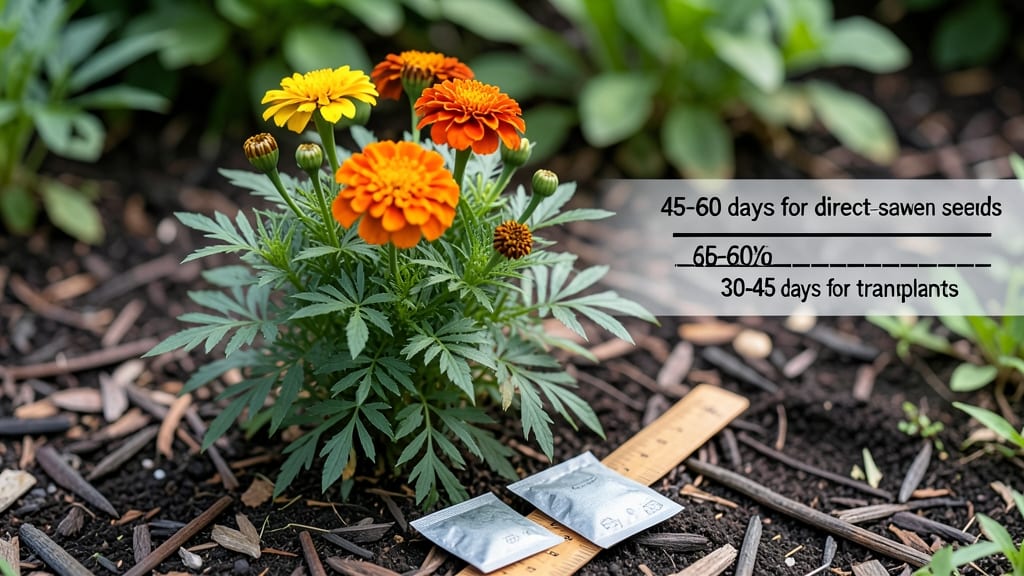
Knowing the marigold seed to bloom time 🌼 can turn a guess into a garden plan, especially when you’re counting on those bright blooms to chase away pests or brighten up a border.
Picture this: you’ve just tucked those tiny seeds into the soil, dreaming of golden and orange blooms by summer. But here’s the catch—some varieties pop up in 6 weeks, while others take nearly 12 weeks to show their colors.
The difference? It’s all in the type of marigold, your local climate, and a few sneaky growing tricks.
French marigolds, for example, often bloom faster than their African cousins, but cooler soils or overcrowded seedlings can stretch that timeline. Meanwhile, a warm spring in Zone 6a might shave off a week or two compared to a slower start in the North.
Below, I’ll break down the exact weeks by variety, plus how to nudge those blooms along—without waiting all season.
You’ll leave here knowing not just when to expect flowers, but how to speed up the process, avoid common delays, and pick the right marigolds for your timeline. Let’s get those seeds counting down.
Marigold seed to bloom time by popular varieties (exact weeks)
If you're eager to see those bright orange and golden marigold blooms brighten your garden, timing is everything. From seed to first flower, marigolds typically take 6 to 12 weeks, but the exact duration depends on the variety and growing conditions.
French marigolds often bloom faster, while African marigolds may take longer to reach their full height and flower power. Understanding these timelines helps you plan for stunning seasonal displays.
For gardeners in cooler climates, extending the growing season with row covers or choosing early-blooming varieties can shave off critical weeks. Meanwhile, those in warm zones might see blooms appear even sooner with proper care.
Let’s break down the exact bloom times for popular marigold varieties so you can set realistic expectations and optimize your garden’s timing.
🌱 Key Factors Affecting Bloom Time:
- Variety type (French, African, or dwarf)
- Soil temperature (ideal: 70°F+ for germination)
- Sunlight exposure (6+ hours daily)
- Spacing and crowding (overcrowding delays blooms)
- Fertilization (balanced NPK speeds growth)
French marigolds are the fastest bloomers, often gracing gardens as early as 6 weeks after sowing. This makes them ideal for early-season color and containers.
If you’re aiming for a longer bloom season, African marigolds deliver dramatic, large flowers but require more time—up to 12 weeks—to reach their full potential.
For small-space gardens or container planting, dwarf varieties like 'Tiny Tim' are unbeatable. They bloom in just 5–7 weeks and stay compact, perfect for balconies or window boxes. Signet marigolds strike a balance, offering unique frilly blooms in 7–9 weeks and thriving in both beds and cutting gardens.
To accelerate bloom time, focus on warm soil temperatures (use black plastic mulch) and consistent moisture during germination. Avoid overcrowding—spacing seeds 12–18 inches apart ensures better airflow and faster flowering. In cooler climates, start seeds indoors 4–6 weeks before the last frost date to extend your bloom window.
One common mistake gardeners make is over-fertilizing with nitrogen, which promotes leafy growth at the expense of blooms. Instead, use a balanced 5-10-10 fertilizer every 4–6 weeks to encourage flowering. Deadheading spent blooms also extends the season by redirecting energy to new flowers.
In USDA Zone 10, marigolds may bloom even faster due to longer daylight hours and warmer soil. Meanwhile, in Zone 5, extending the season with row covers can help marigolds reach their bloom potential by protecting them from early frosts.
Always check your local frost dates to align planting with the fastest possible bloom time for your variety.
With the right variety and care, you’ll enjoy continuous marigold blooms from early summer through fall. Whether you’re chasing early color or late-season drama, knowing these timelines ensures your garden stays vibrant all season long. 🌼
How climate zones affect marigold bloom time (USDA hardiness guide)
Your USDA climate zone 🌡️ is the silent orchestrator of your marigold’s bloom timeline. While French marigolds typically flower in 6-8 weeks under ideal conditions, cooler zones can stretch that to 10-12 weeks. The culprit? Soil temperature—marigolds need 70°F+ to germinate and grow quickly.
In Zone 5, where frost lingers until May, you might see blooms starting in late July, while Zone 10 gardeners could enjoy flowers as early as May.
The frost-free period also plays a starring role. In northern zones, early planting risks cold snaps that stunt growth, while southern zones benefit from longer growing seasons. Even daylight hours shift the timeline—marigolds in Zone 4 experience shorter summer days, which can delay flowering compared to Zone 8’s extended sunlight.
Below, I’ve mapped out the real-world bloom windows by zone, so you can set your expectations—and your planting calendar—with precision.
Pro Tip: Use black plastic mulch in cooler zones to warm the soil by 5-10°F, cutting 2-3 weeks off bloom time. This trick works wonders in Zone 6 and below, where slow soil warming is the biggest hurdle.
| USDA Zone | Avg. Seed to Bloom (Weeks) | First Bloom Window | Key Factor |
|---|---|---|---|
| Zone 3-4 | 10-12 | Late July - August | Short season, cold soil |
| Zone 5 | 8-10 | Early July - Mid-August | Moderate frost risk |
| Zone 6a | 7-9 | Late June - July | Ideal balance of warmth |
| Zone 7-8 | 6-8 | May - June | Long growing season |
| Zone 9-10 | 5-7 | April - May | Year-round warmth |
In Zone 3-4, where winters are harsh, I’ve seen gardeners extend the season by starting seeds indoors in March and transplanting after the last frost. This head start shaves off critical weeks, ensuring blooms appear before the first frost.
Meanwhile, in Zone 10, marigolds can bloom year-round with minimal effort—just keep them well-watered during dry spells.
Daylight hours also tweak the timeline. In northern zones, shorter summer days can delay flowering by 1-2 weeks compared to southern zones. To combat this, I recommend supplemental lighting for seedlings in Zone 4 and below, giving them an extra 12-14 hours of light daily.
This mimics longer days and speeds up growth.
One common mistake in cooler climates is planting too early. Seeds sown in cold, wet soil rot before germinating. Wait until the soil reaches 60°F+—use a soil thermometer to check!
In Zone 5, this might mean waiting until mid-May, not April. Patience here pays off with faster, healthier blooms.
For Zone 6a gardeners like me, the sweet spot is planting in late April after the last frost. With full sun and consistent watering, French marigolds often bloom by early July, while African varieties take until mid-July.
The key? Don’t overcrowd seedlings—space them 12-18 inches apart to avoid competition for nutrients, which slows flowering.