
Lawn
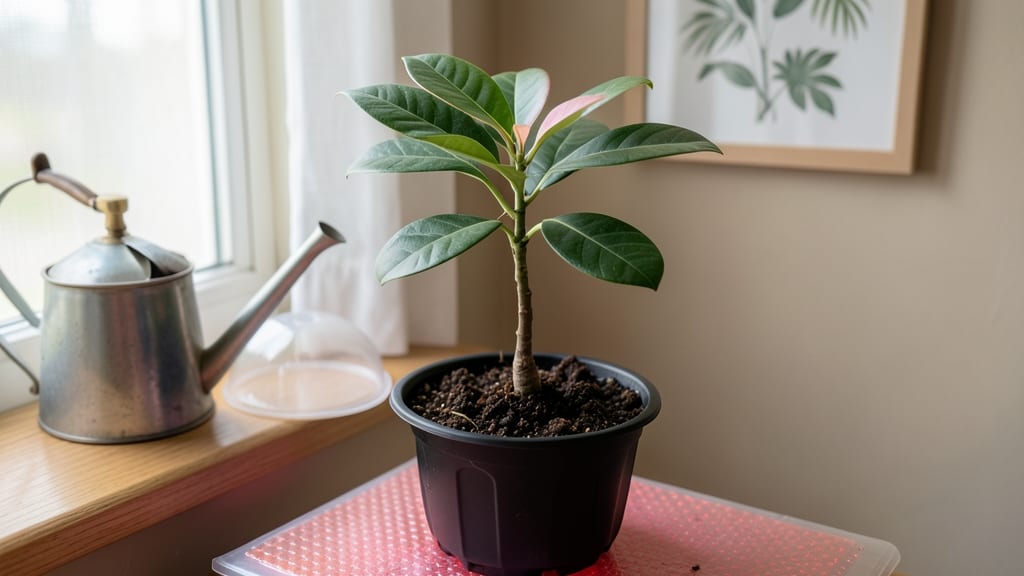
Growing a mango tree from seed in NYC isn't just possible—it's a rewarding challenge that turns your apartment into a tropical escape. 🌱 The key is starting with the right seed and giving it the warmth and light it craves, even when winter howls outside.
I've grown three from seed myself, and they're now thriving in containers on my fire escape, their glossy leaves a stark contrast to the city's concrete jungle.
You'll need a few simple supplies: a large seed, a warm spot (like a sunny windowsill or under grow lights), and a pot with drainage that can handle a tree's eventual size.
Mango seeds sprout in about 2-4 weeks when kept consistently moist and warm—think tropical humidity, not New York's dry winter air. The first leaves will be tiny and delicate, but they're a sign your little tree is off to a great start.
By summer, your seedling will be ready to move outside, where it can bask in full sun and grow into a sturdy young tree. With proper care—regular watering, occasional fertilizer, and protection from harsh winds—you could see blossoms in just 3-5 years.
The real magic happens when you taste your first homegrown mango, sweet and juicy, right in the heart of the city.
NYC's climate means winter care is critical: bring your tree indoors near a sunny window or under grow lights, and reduce watering slightly. Patience is key—these trees grow slowly at first, but with the right conditions, they'll reward you with lush foliage and, eventually, fruit.
Here's how to keep it thriving year-round.
📚 In This Guide
- What you need
- Instructions
- Tips and common mistakes
- Wrapping up and next steps
What you need
- ● Mango seed: 1 fresh, organic seed (preferably from a ripe, locally sourced mango—ask your favorite NYC fruit stand!
- ● Seed-starting tray or small pots: 2–4 (4–6 inches deep) with drainage holes. Pro tip: Repurpose yogurt cups or plastic containers if you’re eco-conscious! 🌿
- ● Well-draining potting mix: 2–3 bags (look for a blend labeled for seedlings or tropical plants). Avoid garden soil—NYC’s urban mix can be too dense! 🏙️
- ● Plastic wrap or humidity dome: 1 (to create a mini greenhouse effect while sprouting). A clear bag or even a cut-open water bottle works!
- ● Spray bottle: 1 (for gentle watering—no drownouts here!).
- ● Grow lights or sunny windowsill: Access to 6+ hours of indirect light daily. South-facing windows or a small LED grow light (12–15 watts) is ideal.
- ● Scissors or knife: 1 (for carefully slicing the seed open).
- ● Toothpick or skewer: 1 (to poke drainage holes if needed).
- ○ Fertilizer (optional): A balanced liquid fertilizer (5-5-5 or 10-10-10) for when your seedling is 3–4 months old. Pro tip: Dilute to half-strength—mangoes are sensitive to overfeeding! 💡
- ● Larger container (1+ gallon): 1 (for transplanting once your seedling outgrows its starter pot). Choose something sturdy—mango trees can get heavy!
- ○ Mulch or pebbles (optional): For aesthetics and moisture retention in the final container.
- ● Patience: Mango trees from seed can take 5–10 years to bear fruit—focus on the journey! 🌱⏳
- ● NYC-friendly space: A balcony, rooftop, or sunny indoor spot (south-facing is best). Mangoes thrive in warmth (70–90°F)—they’re not fans of winter chill! ❄️→☀️
- ● Basic care routine: Commit to daily checks for moisture, light, and pests. Urban gardening means you’re the tree’s #1 advocate!
Step-by-Step instructions for growing mango trees from seed in NYC
Here's how to transform a grocery store pit into a thriving container mango tree—perfect for NYC balconies.
🌱 Step 1: Prepare the Mango Pit for Planting
Start by cleaning the pit thoroughly under warm water, scrubbing off any remaining fruit flesh. I like to soak it overnight in a glass of water to soften the outer shell—this helps prevent cracking later. After soaking, gently scrape away the hard outer layer with a knife, being careful not to damage the seed inside.
Place the cleaned pit between two damp paper towels and fold them over. Store in a sealed plastic bag and keep it in a warm spot, like on top of your fridge. Check daily—you'll see the first signs of sprouting in about 2-3 weeks, when a tiny white root emerges. This is your signal to move to soil.
🪴 Step 2: Choose and Prepare the Container
Mango trees need room to grow, so start with a 5-gallon container—this gives roots space while keeping it manageable for your NYC balcony. Fill the bottom with 2 inches of small gravel or perlite for drainage, then add a mix of 50% potting soil and 50% coconut coir or peat moss to create a well-draining, airy medium.
Make a small hole in the center of the soil mix, about 1 inch deep. Gently place your sprouted pit into the hole with the root pointing downward. Cover lightly with soil, leaving the top half of the seed exposed—this helps prevent rot. Water gently until the soil feels evenly moist but not soggy.
☀️ Step 3: Provide Warmth and Light
Mango seeds need warmth to germinate properly, so place your container in a spot with 70-80°F temperatures. A sunny windowsill facing south or west works well, but supplement with a grow light if natural light is weak. Keep the soil consistently moist—stick your finger in about 1 inch deep; if it feels dry, water lightly.
Once the first true leaves appear (not the initial seed leaves), you can reduce watering slightly. Watch for leggy growth—a sign your plant needs more light. If the stem stretches toward the window, move the light closer or increase exposure. In NYC's unpredictable weather, keep your mango indoors until temperatures stay above 55°F at night.
🌿 Step 4: Care for the Seedling Through the First Year
After the first year, your mango seedling will need a larger container—upgrade to a 10-15 gallon pot with fresh potting mix. Fertilize lightly every 4-6 weeks with a balanced, water-soluble fertilizer diluted to half strength. Mango trees are heavy feeders, but too much fertilizer can burn tender roots.
Rotate the pot a quarter turn weekly to encourage even growth. Prune any yellow or damaged leaves immediately to prevent disease. By this stage, you'll start seeing the classic mango tree shape—broad leaves and a sturdy stem. Be patient; fruit production can take 5-10 years, but the journey is half the fun in NYC's urban jungle.
Tips & tricks for growing mango trees from seed in NYC
Let me share the hard-won wisdom I've picked up from growing mango trees from seed in the city—these tricks will help you avoid common pitfalls and give your urban jungle the best start.
Germination Secret: The overnight soak in Step 1 isn't just about softening—it's about breaking the seed's natural dormancy. If you're impatient, you can speed up germination by nicking the pit's hard shell with a knife (just be careful not to pierce the seed inside). I've seen sprouts appear in as little as 10 days with this trick, though 2-3 weeks is still the standard timeline.
Container Upgrade: While the 5-gallon container works for starters, I recommend moving to a 7-gallon container after just 3-4 months—this gives roots more room to establish before the first year upgrade. Make sure every container has drainage holes, even if you're using the gravel layer. I've seen root rot develop when people skip this, especially in NYC's humid summers.
Light Strategy: NYC's windows aren't always enough, especially in winter. If your seedling starts looking leggy (long stems with small leaves), it's begging for more light. A simple LED grow light on a timer (12-14 hours/day) can work wonders. I keep mine 6-12 inches above the plant—close enough to encourage strong growth without burning the leaves. The 70-80°F temperature range mentioned works best when paired with good light.
Fertilizer Timing: Don't rush to fertilize! Wait until you see 4-6 true leaves before introducing any nutrients. At that point, I switch to a balanced liquid fertilizer (like 10-10-10) diluted to half strength. Too-early fertilization can scorch tender roots—something I learned after my first batch of seedlings turned yellow overnight.
Pro Tips for Mango Seed Nyc
- Let me share the hard-won wisdom I've picked up from growing mango trees from seed in the city—these tricks will help you avoid common pitfalls and give your urban jungle the best start.
- Germination Secret: The overnight soak in Step 1 isn't just about softening—it's about breaking the seed's natural dormancy.
- Container Upgrade: While the 5-gallon container works for starters, I recommend moving to a 7-gallon container after just 3-4 months—this gives roots more room to establish before the first year upgrade.
Frequently asked questions
Got questions about growing your own mango tree from seed in NYC? Here are some answers to the most common queries—because even urban jungle adventures need a little guidance!
How long does it take for a mango seed to sprout in NYC’s climate?
A mango seed typically sprouts within 2–4 weeks if kept warm (70–85°F) and moist. NYC’s indoor conditions (like a sunny windowsill) work great, but if you’re impatient, a heat mat can speed things up! Just be patient—some seeds take longer, especially if they’re older or stored improperly.
Can I grow a mango tree from seed in NYC’s cold winters?
Mango trees are tropical and won’t survive NYC winters outdoors—even in containers. Your best bet is to grow it indoors year-round (like a houseplant) or overwinter it in a garage/basement with grow lights. If you want fruit, you’ll need to move it to a warmer climate (like Florida) eventually, as NYC’s climate is too harsh for mature trees.
Will my mango seed tree actually produce fruit in NYC?
Probably not! Most seed-grown mango trees take 5–10 years to fruit (if ever) and may not be true to the parent variety. For reliable fruit, buy a grafted tree from a nursery. But don’t worry—even non-fruiting trees make stunning, low-maintenance houseplants with glossy leaves and fragrant flowers!
How often should I water my mango seedling in a container?
Keep the soil consistently moist but not soggy. Water when the top inch feels dry (usually every 5–7 days for seedlings, less for mature plants). Overwatering is the #1 killer—ensure your pot has drainage holes! In NYC’s dry apartments, a humidity tray or misting can help mimic tropical conditions.
What should I do if my mango seedling’s leaves turn yellow?
Yellow leaves usually mean overwatering, poor drainage, or nutrient deficiency. Check the soil—if it’s waterlogged, let it dry out. Move to a sunnier spot (mangoes need 6+ hours of light daily) and fertilize lightly with a balanced houseplant food. Pests like spider mites can also cause yellowing—wipe leaves with soapy water if needed!
Are there faster-growing alternatives to mango seeds in NYC?
If you want tropical vibes without the wait, try avocado, citrus, or papaya seeds—they’re easier to grow indoors. For instant greenery, consider dwarf citrus trees (like Meyer lemons) or bamboo, which thrive in containers and handle NYC’s indoor conditions better. Still, mango seeds are a fun challenge!
Wrapping up and next steps
Growing a mango seed in NYC might seem like a tropical dream, but with the right care, your urban jungle can thrive in containers! 🌱 Whether you’re a seasoned gardener or a curious beginner, this guide proves that even small spaces can nurture big rewards.
Start small—plant that seed, stay patient, and watch your efforts bloom into a fragrant, leafy friend (or maybe even fruit someday!).
Ready to take the next step? Try transplanting your seedling into a larger pot or join a local gardening group to swap tips with fellow NYC plant enthusiasts. Your green thumb is just a sprout away! 🌿