
Lawn
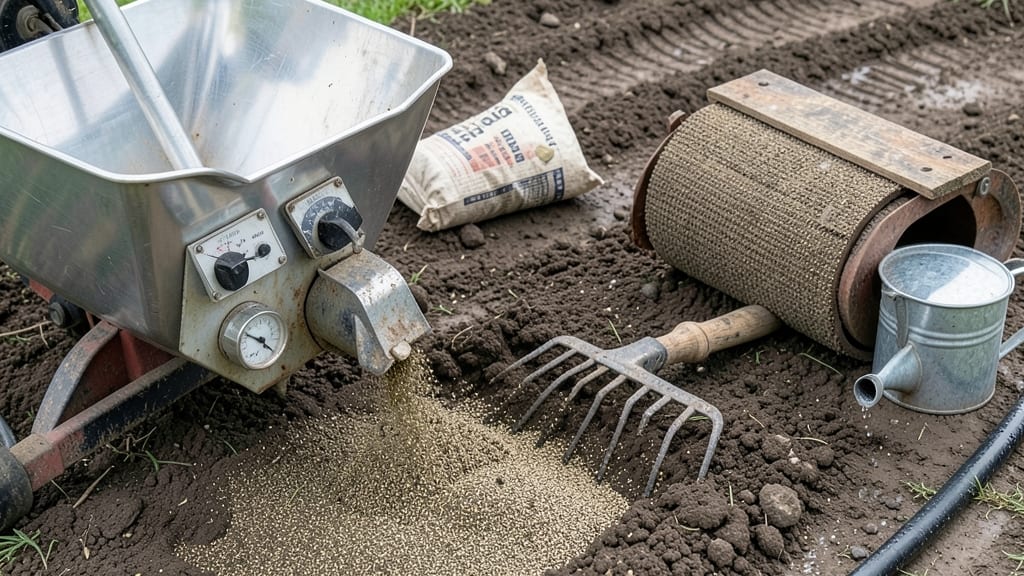
Planting lawn seed in October gives your grass a head start before winter—cool soil and steady rain create the perfect conditions for deep root growth.
But here’s the catch: not all grass types thrive in fall, and a few extra steps—like aerating compacted soil or choosing the right seed blend—can mean the difference between a lush lawn next spring and a patchy disappointment. I’ve seen both, and the prep work is what separates the two.
Whether you’re overseeding a thin lawn or starting fresh, October is your best shot at a thicker, greener yard by next summer. The key lies in picking the right cold-hardy varieties, prepping the soil correctly, and keeping moisture levels just right as temperatures drop.
In this guide, I’ll walk you through the exact steps to plant lawn seed in October—from soil tests to watering schedules—so you can avoid common mistakes and get results that last.
Best grass seed types for October planting and their growing conditions
October is one of the best months to plant lawn seed because cooler temperatures and consistent rainfall create perfect germination conditions. Choosing the right cold-hardy grass types ensures your lawn establishes strong roots before winter.
The three top performers for fall planting are tall fescue, perennial ryegrass, and Kentucky bluegrass, each with unique strengths for different climates and lawn needs.
These grasses thrive in fall's mild weather, avoiding the heat stress of summer planting while still having 4-6 weeks of growing season before frost. Tall fescue and perennial ryegrass are particularly popular because they germinate quickly and handle shade and foot traffic well.
Meanwhile, Kentucky bluegrass spreads aggressively, filling bare spots beautifully but requiring more maintenance.
| Grass Type | Best For | Sun Needs | Germination Time | Cold Hardiness |
|---|---|---|---|---|
| Tall Fescue | Durability, shade tolerance | Full sun to partial shade | 14-21 days | Zones 4-9 |
| Perennial Ryegrass | Fast establishment, high traffic | Full sun to partial shade | 7-14 days | Zones 4-9 |
| Kentucky Bluegrass | Spreads aggressively, lush look | Full sun | 14-28 days | Zones 3-9 |
| Fine Fescue | Shade, low maintenance | Partial to full shade | 14-21 days | Zones 5-9 |
Tall fescue stands out for its deep root system, which helps it survive drought and recover from foot traffic. It’s ideal for Northern climates (Zones 4-7) where winters are harsh. This grass germinates in 14-21 days and thrives in partial shade, making it perfect for lawns under trees or near buildings. For fast results, mix tall fescue with perennial ryegrass, which germinates in just 7-14 days and creates a dense turf quickly.
Kentucky bluegrass is the top choice for homeowners wanting a traditional, lush lawn. It spreads via rhizomes, filling bare spots naturally, but requires full sun and regular mowing to stay healthy. This grass is cold-hardy down to Zone 3, making it excellent for Northern lawns where winters are long. However, it struggles in hot, dry climates without extra watering.
If your lawn gets minimal sunlight, consider fine fescue, a low-maintenance option that thrives in shade and drought conditions. It’s slower to establish but outperforms other grasses in low-light areas.
For southern climates (Zones 8-10), opt for warm-season grasses like Bermuda or Zoysia, though they’re best planted in late spring rather than fall.
When selecting seed, check the label for "fall planting" recommendations—some blends are formulated specifically for cooler weather germination. Avoid cheap seed mixes with high weed content; invest in certified seed for the best results.
Once planted, maintain consistent moisture for the first 30 days to encourage root development before winter sets in.
For overseeding existing lawns, choose a fine-blade grass like perennial ryegrass to fill thin spots without competing with your established turf. Spread seed at half the recommended rate and water lightly twice daily until germination occurs. In dry climates, consider hydroseeding for better seed-to-soil contact and moisture retention.
Remember, soil temperature is key—ideal germination occurs when soil stays between 60-75°F. In Northern regions, plant by mid-October to allow 4-6 weeks of growth before frost. In Southern areas, seed by early October to avoid winter dormancy too soon. Always test your soil pH (ideal range: 6.
Step-by-Step October lawn seeding process: soil prep to post-planting care
October’s cool soil temperatures (between 60-75°F) and increased rainfall make it the perfect window for lawn seeding. But without proper prep, even the best seed can struggle. I’ve learned the hard way that skipping aeration or overwatering can turn your efforts into wasted dollars.
Let’s break this down into clear, actionable steps to ensure your new grass takes root before winter sets in.
The secret to fall seeding success lies in three key phases: preparation, planting, and post-care. Each phase builds on the last, and missing one can leave your lawn vulnerable to frost damage or weed competition.
I’ll walk you through every detail, from testing your soil to adjusting your watering schedule as temperatures drop.
- 🌱 Step 1 Test and Amend Soil
- 🌱 Step 2 Aerate Compacted Soil
- 🌱 Step 3 Spread Seed Evenly
- 🌱 Step 4 Apply Light Mulch
- 🌱 Step 5 Water Deeply Daily
- 🌱 Step 6 Fertilize Lightly
- 🌱 Step 7 Monitor Frost Risk
🌱 Step 1: Test and Amend Soil
Use a soil test kit to check pH (ideal: 6.0-7.0). If too acidic, add lime (2-4 weeks before seeding). For sandy soil, mix in compost to retain moisture.
🌱 Step 2: Aerate Compacted Soil
Rent a core aerator to remove 2-inch soil plugs. Focus on high-traffic areas where soil is hardest. Do this 2-3 days before seeding.
🌱 Step 3: Spread Seed Evenly
Use a broadcast spreader for large areas or hand-scatter in small patches. Apply ½ lb of seed per 100 sqft for overseeding, 5-6 lbs for new lawns.
🌱 Step 4: Apply Light Mulch
Top with ¼-inch of straw to protect seeds from bird damage and drying winds. Avoid thick mulch, which can suffocate sprouts.
🌱 Step 5: Water Deeply Daily
Keep soil consistently moist (1 inch per week). Water early morning to reduce fungal risks. Reduce to ½ inch weekly once grass reaches 3 inches tall.
🌱 Step 6: Fertilize Lightly
Apply a starter fertilizer (high in phosphorus) at planting. Follow up with a low-nitrogen feed (10-0-10) 4-6 weeks later to encourage root growth.
🌱 Step 7: Monitor Frost Risk
If frost threatens before germination (7-21 days), cover seeds with lightweight row fabric. Remove fabric once sprouts appear to avoid heat stress.
One common mistake I see is overwatering after germination. While keeping soil moist is critical, soggy conditions can lead to rot or fungal diseases. Instead, aim for consistent moisture—like a wrung-out sponge.
If your lawn feels spongy underfoot, cut back slightly and let the top inch dry out between waterings.
Another pitfall is choosing the wrong fertilizer. High-nitrogen feeds early on can burn tender seedlings. Stick to a low-nitrogen starter (like 5-10-10) to encourage root development without promoting top growth. I’ve seen lawns fail because homeowners rushed to add quick-release nitrogen too soon—don’t make that mistake!
As temperatures drop below 50°F at night, germination slows significantly. If you’re in USDA Zone 5 or colder, prioritize seeding by mid-October to allow 4-6 weeks of growth before winter.
In warmer zones (Zone 7+), you can push seeding until late November, but monitor first frost dates closely.
By following these steps, your October-seeded lawn will have a head start on spring—outcompeting weeds and establishing deep roots. The key is patience and consistency. In just a few months, you’ll have a lawn that’s thicker, greener, and more resilient