
Succulent
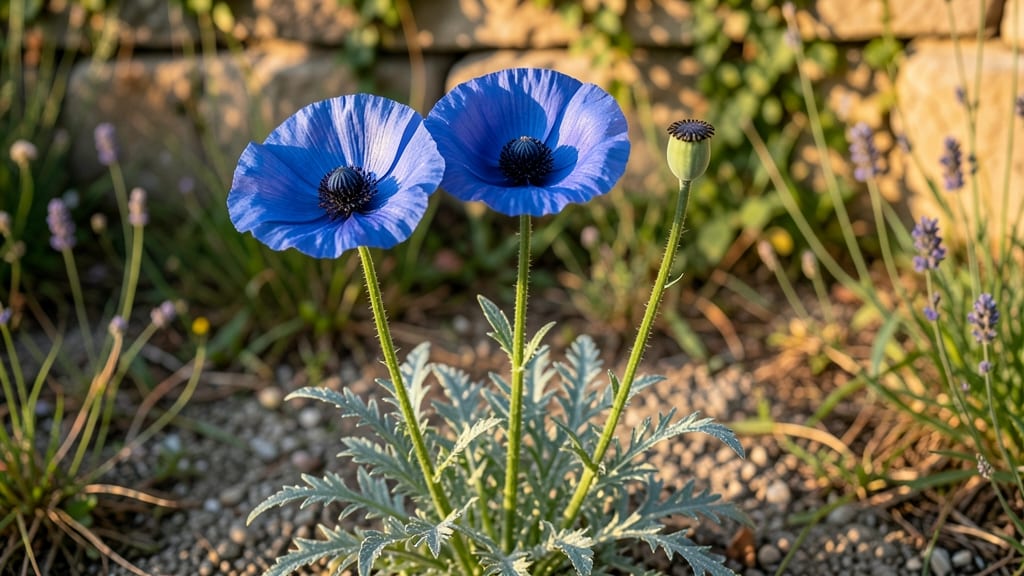
Hungarian blue breadseed poppy transforms any garden into a pollinator paradise with its striking cobalt blooms. 🌻 I fell for this poppy after seeing how bees and butterflies flock to its nectar-rich flowers—it’s not just pretty, it’s a working ecosystem.
The secret lies in its self-seeding habit, which means more blooms with less effort each year. This poppy thrives in full sun and poor soil, making it perfect for rocky spots or neglected corners.
Just scatter seeds in early spring or fall, press lightly into the dirt, and watch for those iconic blue petals in just 6-8 weeks. The key is patience—don’t disturb the soil once planted, or you’ll risk exposing the tiny seeds.
Once established, these poppies multiply effortlessly, creating a naturalized meadow that blooms from spring to early summer. Harvest seeds for next year’s garden or let them scatter—either way, you’ll get a low-maintenance display that outperforms many annuals.
For best results, avoid overwatering (they hate soggy roots) and deadhead spent blooms to encourage continuous flowering. If aphids appear, blast them off with water—they’re tough little survivors. This poppy’s hardiness and charm make it a must-have for any sun-loving garden.
📚 In This Guide
- What you need
- Instructions
- Tips and common mistakes
- Wrapping up and next steps
What you need
- ● Hungarian Blue Breadseed Poppy Seeds: 1 packet (approx. 50-100 seeds). Look for Papaver somniferum varieties labeled for ornamental use.
- ● Well-draining potting mix: 1 bag (10-12 quarts). Opt for a blend designed for succulents or annuals with perlite or sand (20-30% mix ratio).
- ● Containers: 2-3 small pots (4-6 inches deep) or a seed tray with drainage holes. Ensure they’re sterilized to prevent mold.
- ● Drainage trays or saucers: 1-2 (to catch excess water and prevent root rot).
- ● Planting tools: Small hand trowel or spoon
- ● Spray bottle (for gentle watering)
- ● Sunlight access: A sunny windowsill (6+ hours of direct light) or a grow light (12-16 hours/day for indoor setups).
- ○ Watering can (optional): With a fine rose nozzle for precision.
- ○ Fertilizer (optional): Balanced liquid fertilizer (5-10-5 NPK ratio) or compost tea for established plants.
- ○ Pruning shears (optional): For deadheading spent blooms and encouraging bushier growth.
- ● 🌡️ Temperature: Seeds germinate best at 70-75°F (21-24°C). Use a seedling heat mat if your space is cooler.
- ● ✨ Soil pH: Aim for a slightly acidic to neutral range (6.0-7.0). Test your mix with a soil pH kit if unsure.
- ● 🔥 Direct Sowing: If planting outdoors, wait until after the last frost and sow seeds 1/4 inch deep in loose, well-worked soil.
Step-by-step guide to cultivating Hungarian blue breadseed poppies
These striking blooms thrive with minimal fuss—here's how to grow them from seed to a buzzing pollinator magnet.
🌱 Step 1: Start Seeds Indoors for Early Blooms
Sow seeds 6-8 weeks before your last frost date in small pots filled with sterile seed-starting mix. Poppy seeds need light to germinate, so press them just below the soil surface—no need to bury them deeply. Keep the mix lightly moist (not soggy) and maintain soil temperatures between 65-75°F for fastest germination.
Place pots in a bright, indirect light location or under grow lights. You'll see sprouts in 7-14 days—watch for the first true leaves (not the initial seed leaves) to appear before transplanting. Real talk: these seeds germinate inconsistently, so plant extra to ensure your dream garden.
☀️ Step 2: Harden Off and Transplant After Frost
Once seedlings have 3-4 sets of true leaves, begin hardening them off by moving them outdoors for 1-2 hours daily, gradually increasing exposure over 7-10 days. Poppies tolerate cold but need to adjust to wind and sun. Choose a sunny, well-drained location—these plants despise soggy roots.
Transplant after the last frost when soil temperatures reach 50°F. Space plants 12-18 inches apart in rows 18-24 inches apart to allow for their airy, open growth habit. The reason we space them this way is that poppies grow tall and leggy if crowded, which weakens stems and reduces bloom quality.
💧 Step 3: Water Sparingly and Let Them Grow Wild
Poppies are drought-tolerant once established, so water deeply but infrequently—about 1 inch per week during dry spells. Water at the base of the plant (not overhead) to prevent fungal diseases. You'll notice the leaves develop a slightly gray-green hue when thirsty, which signals it's time to water.
After the first true leaves appear, stop fertilizing—poppies thrive in poor soil and actually produce fewer blooms when overfed. The key is to let them grow naturally. You'll see buds form in late spring, followed by those iconic blue blooms that pollinators can't resist.
✂️ Step 4: Deadhead and Collect Seeds for Next Year
Remove spent blooms by snipping stems just above the first set of leaves to encourage more flowers. This is where it gets fun—watch as new buds form along the stems, creating a continuous display from early summer to fall. Poppies self-seed prolifically, so you'll likely see volunteer plants popping up in future seasons.
To collect seeds for next year, leave a few spent blooms on the plant until they turn brown and papery. The seed pods will open on their own—simply gather them and store in a cool, dry place until planting time. Here's the thing: these seeds stay viable for years, so you can save them indefinitely.
🪴 Step 5: Create a Pollinator Paradise
Poppies attract bees, butterflies, and hummingbirds with their nectar-rich blooms. Plant them near other pollinator-friendly flowers like lavender, cosmos, or coneflowers for a year-round buzzing garden. The more diverse your plantings, the more wildlife you'll see visiting.
Leave some seed heads standing over winter—they provide food and shelter for birds and beneficial insects. You'll notice finches and sparrows perching on the dried stems, while ladybugs and lacewings hide in the seed pods. It's a simple way to turn your garden into a mini ecosystem.
Tips & tricks for perfect Hungarian blue breadseed poppy cultivation
These little-known tricks will help you coax the most vibrant blooms from your Hungarian blue breadseed poppies—and keep your garden buzzing with pollinators all season.
Light Requirements: Poppy seeds need light to germinate, but don't overthink it—natural sunlight works perfectly. If using grow lights, position them just 2-3 inches above the seedlings to prevent leggy growth. I've seen poppies thrive under a simple LED bulb in a south-facing window, so you don't need fancy equipment. The key is consistency: keep those lights on for 12-14 hours daily once germination begins.
Transplanting Timing: Wait until soil temperatures reach 50°F before transplanting—this is non-negotiable for these sensitive plants. I learned this the hard way after transplanting too early in cool spring nights, which caused stunted growth. Use a soil thermometer if you're unsure; most garden centers sell them for under $15. The 12-18 inch spacing might seem generous, but it prevents those iconic blue blooms from flopping over later in the season.
Watering Wisdom: The 1 inch per week guideline is perfect, but timing matters more than quantity. Water deeply in the morning so foliage has time to dry before evening—this prevents fungal issues that can ruin your blooms. I've noticed poppies develop a slightly gray-green hue when thirsty, which is your cue to water. This drought tolerance makes them ideal for low-maintenance gardens, but don't push it: established plants still need that weekly deep watering during dry spells.
Pollinator Boost: For extra buzz, plant your poppies alongside lavender or coneflowers—these combinations create a pollinator superhighway. I've observed that hummingbirds are particularly drawn to blue poppies when paired with red cosmos. The secret is diversity: different flowers bloom at different times, ensuring your garden stays vibrant and active from spring through fall. Leave some seed heads standing over winter too—they provide winter shelter for beneficial insects that'll help next year's blooms.
Pro Tips for Hungarian Blue Breadseed Poppy
- These little-known tricks will help you coax the most vibrant blooms from your Hungarian blue breadseed poppies—and keep your garden buzzing with pollinators all season.
- Light Requirements: Poppy seeds need light to germinate, but don't overthink it—natural sunlight works perfectly.
- Transplanting Timing: Wait until soil temperatures reach 50°F before transplanting—this is non-negotiable for these sensitive plants.
Frequently asked questions
Got questions about growing or using Hungarian Blue Breadseed Poppy?
You’re not alone! Here are some of the most common queries—and their answers—to help you cultivate this stunning pollinator magnet with confidence.
When is the best time to plant Hungarian Blue Breadseed Poppy seeds?
The ideal time to sow seeds is in early spring, about 4–6 weeks before the last frost date. For fall planting, aim for late summer to early fall (8–10 weeks before the first frost). These poppies thrive in cool soil, so avoid planting in hot, dry conditions—they’ll germinate better when temperatures are mild (around 50–60°F).
How long does it take for Hungarian Blue Breadseed Poppy to bloom?
From seed to bloom, you can expect a fast turnaround! With proper care, these poppies typically flower in 60–90 days. Early spring sowings often produce blooms by mid-to-late summer, while fall-planted seeds may reward you with cheerful blue flowers the following spring. Patience pays off—just a few months of nurturing leads to a vibrant show!
Can I grow Hungarian Blue Breadseed Poppy in containers?
These poppies adapt well to containers, making them perfect for balconies, patios, or small gardens. Use a well-draining pot (at least 6–8 inches deep) with a mix of potting soil and sand or perlite. Just ensure the container has drainage holes and place it in a spot with full sun. Pro tip: Deadhead spent blooms to encourage more flowers!
Are there any pests or diseases I should watch for?
Hungarian Blue Breadseed Poppy is generally low-maintenance, but keep an eye out for aphids or slugs, which may target young seedlings or tender leaves. If needed, use organic sprays like neem oil or handpick slugs. Overwatering can lead to fungal issues, so ensure the soil is well-draining. Good airflow (by spacing plants 12–18 inches apart) helps prevent most problems.
What can I do with the seeds after the flowers fade?
Once the blooms wilt, the seed pods form into unique, papery structures that add texture to your garden. You can leave them for winter interest or harvest the seeds for next year’s planting! To collect seeds, wait until the pods turn brown and dry, then gently crush them to release the tiny black seeds. Store them in a cool, dry place until spring. Bonus: These seeds are edible and add a nutty flavor to baked goods!
Wrapping up and next steps
From vibrant blue blooms to a thriving pollinator haven, the Hungarian blue breadseed poppy is a stunning and rewarding addition to any garden. Whether you're drawn to its striking beauty, ease of cultivation, or ecological benefits, these poppies offer something for every gardener. 🌸
Ready to bring a splash of color to your space? Start by gathering your seeds and tools, then follow the simple steps to grow your own poppy patch. Plant a few today and watch your garden transform!