
Lawn
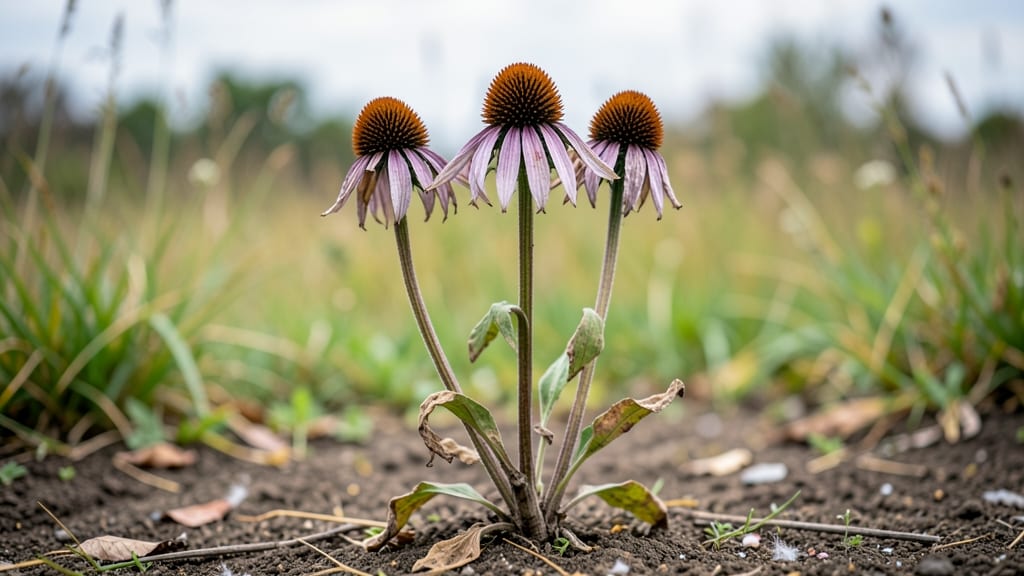
Those papery echinacea seed heads are nature’s hidden treasure. 🌻 I learned the hard way that letting them go to seed means more pollinators next year—and a free crop of plants for your garden.
The key is timing: harvest when the heads turn tan but before they scatter, then dry them properly to preserve every seed.
You’ll need just three things: clean scissors, a paper bag for drying, and a dark, dry spot. Cut the stems just above the flower head, then hang them upside down in the bag for 2-3 weeks.
The seeds will rattle when ready—no fancy equipment needed. This method works for purple coneflowers, white button echinacea, and even the double varieties.
Once dry, you’ve got options: save seeds for next spring, tuck them into winter arrangements, or scatter them in garden beds. The plants that sprout from these seeds are hardier than nursery starts, and the pollinators will thank you for the extra food source.
I’ve seen my garden go from a handful of plants to a full meadow just by letting a few seed heads go to seed.
For extra prolific seed heads, deadhead spent blooms early in the season—this directs energy to root growth and future flowers. And if you’re in a wet climate, add a little shade to prevent mildew.
The payoff? A garden that feeds bees, butterflies, and hummingbirds year after year—all from something you’d normally toss in the compost.
📚 In This Guide
- What you need
- Instructions
- Tips and common mistakes
- Wrapping up and next steps
What you need
- ● Mature echinacea seed heads: Harvest when fully brown and dry (late summer to early fall). Aim for at least 5-10 healthy heads per plant for best results.
- ● Pruning shears or clean scissors: Sharp tools to snip stems cleanly (avoid crushing the seed heads).
- ○ Paper bags (brown lunch bags or seed-saving envelopes): 1 per seed head for airflow during drying. Optional: Label bags with plant names and harvest dates.
- ● Newspaper or cardboard: Line a flat surface (like a tray) for drying seed heads.
- ● Small mesh bags or paper envelopes: For long-term storage (1–2 per seed head).
- ● Permanent marker: For labeling storage containers.
- ● Gloves (gardening or nitrile): Protects hands from prickly stems.
- ● Fan or dehumidifier: Speeds up drying in humid climates.
- ● Seed tray or shallow box: For organizing dried seed heads before storage.
- ○ Fine mesh sieve: Helps separate seeds from chaff during cleaning (optional but handy!).
- ● Plant journal or spreadsheet: Track varieties, harvest dates, and germination notes.
- ● Wait until seed heads are fully dry and brown (no green stems or moisture).
- ● Choose a well-ventilated, dry space (like a garage or shed) for drying.
- ● Ensure no pests or mold are present before storing seeds.
Step-by-Step guide to harvesting, drying, and planting echinacea seed heads
Turn this year’s spent blooms into next year’s pollinator powerhouse with just a few simple steps.
🌿 Step 1: Harvest Seed Heads at the Right Time
Wait until late fall or early winter when the seed heads have turned completely brown and papery—this signals they’re fully mature and ready for collection. I like to harvest on a dry, sunny day after the morning dew has evaporated. Use clean, sharp scissors or pruners to cut the stems about 6 inches below the seed head, leaving the base intact.
Don’t rush this step. If you harvest too early, the seeds won’t be fully developed, and if you wait too long, they may scatter naturally. You’ll know they’re ready when the center cone looks dry and crumbly, and the outer petals have fallen away or turned brittle.
💧 Step 2: Dry the Seed Heads Thoroughly
Bundle the harvested seed heads together with twine or a rubber band and hang them upside down in a dry, well-ventilated area. I use an old screen door or a porch with good airflow—this prevents mold and ensures even drying. It should take about 2-3 weeks for the seed heads to dry completely, depending on your climate.
Check the seed heads weekly. They’re ready when the seeds rattle inside when shaken and the entire head feels light and dry to the touch. If you notice any signs of moisture or mold, move them to a warmer, drier spot immediately. Once fully dry, gently rub the seed head between your hands to release the seeds into a bowl.
✂️ Step 3: Clean and Store the Seeds Properly
Spread the released seeds on a clean, dry surface and let them air out for another day to ensure any lingering moisture evaporates. Use a fine-mesh strainer or sifter to remove debris, chaff, and empty seed casings. Store the clean seeds in a paper envelope or breathable cloth bag—plastic traps moisture and can cause mold.
Label the bag with the echinacea variety and the harvest date. Store it in a cool, dark place like a pantry or seed drawer. Properly stored seeds remain viable for 2-3 years, though germination rates may decline slightly over time. I like to add a small packet of silica gel to the bag for extra moisture protection.
🌱 Step 4: Plant the Seeds for Next Year’s Garden
Sow the seeds outdoors in early spring, about 4-6 weeks before your last frost date, or start them indoors under grow lights 8-10 weeks before transplanting. Scatter the seeds lightly on top of well-draining soil—echinacea seeds don’t need light to germinate, so they don’t require deep planting. Press them gently into the soil and water lightly to settle them in.
Keep the soil consistently moist but not soggy until germination, which typically occurs in 2-4 weeks. Once seedlings emerge, thin them to 12-18 inches apart to give them room to grow. Echinacea thrives in full sun and well-drained soil, so choose a spot that gets at least 6-8 hours of sunlight daily. Mulch around the base to retain moisture and suppress weeds.
Tips & tricks for perfect echinacea seed collection
Here's what I've learned after years of saving my own echinacea seeds—and how to avoid the mistakes I made early on.
Timing is Everything: In Step 1, don't be fooled by color alone—those papery brown petals are your first clue, but the real test is that crumbly center cone. I once harvested too early because I trusted the color, only to find mostly empty seed casings. The seeds need that full maturity to store properly, so wait until they actually rattle when you shake the head gently. This ensures you're collecting viable seeds for next year's garden.
Drying Strategy: For Step 2, don't just hang your seed heads anywhere! I learned this the hard way when my first batch developed mold in a damp garage. Look for a spot with good airflow—like a screened porch or even a well-ventilated closet with a small fan. The 2-3 week drying time assumes normal humidity; if your climate stays damp, you might need an extra week. Check weekly by giving them a little shake—if they don't rattle, they're not dry enough yet.
Storage Wisdom: When it comes to Step 3, paper envelopes are your best friend—but here's the trick I wish I knew sooner: fold the top over twice to create a seal, then tuck it under the envelope flap. This prevents moisture from sneaking in while still allowing airflow. And that silica gel packet? It's worth it. I've had seeds last their full 2-3 years thanks to this simple addition, while my neighbor's seeds (stored in plastic) all went moldy within months.
Planting Preparation: Before you sow those seeds in Step 4, give them a quick soak in warm water for 24 hours. This isn't required, but it can help break dormancy and give you faster germination. Just don't soak them in cold water—echinacea seeds need warmth to wake up properly. And if you're planting outdoors, mark your rows with small sticks before covering with soil—you'll thank yourself when you need to thin those seedlings later.
Pro Tips for Echinacea Seed Heads
- Here's what I've learned after years of saving my own echinacea seeds—and how to avoid the mistakes I made early on.
- Timing is Everything: In Step 1, don't be fooled by color alone—those papery brown petals are your first clue, but th...
- Drying Strategy: For Step 2, don't just hang your seed heads anywhere! I learned this the hard way when my first batc...
Frequently asked questions
Got questions about harvesting, storing, or replanting echinacea seed heads? You’re not alone! Here are answers to the most common queries—plus a few pro tips to ensure your pollinator haven thrives next season.
When is the best time to harvest echinacea seed heads?
Harvest seed heads once they’ve turned brown and dried on the plant—usually late summer to early fall (August–October). Wait until the cones are crispy to the touch but haven’t yet scattered seeds. Pro tip: Harvest on a dry day to avoid mold.
How long can I store echinacea seeds before planting?
Echinacea seeds stay viable for 1–2 years if stored properly in a cool, dry place (like a paper envelope in the fridge). For best results, plant them within 6 months. Troubleshooting: If seeds lose potency, try stratification (mimicking winter) for 4–6 weeks in the fridge to boost germination.
Do I need to clean or treat the seeds before planting?
Nope! Just remove the seed heads from the stems and let them air-dry for a few days. Break open the cones to release seeds—no soaking or scrubbing needed. Bonus: Mix seeds with sand for easier sowing and better airflow.
Can I plant echinacea seeds directly in the ground, or should I start them indoors?
Direct sowing works best! Scatter seeds on well-drained soil in early spring or fall, pressing them lightly into the top ¼ inch. Echinacea thrives in full sun and tolerates poor soil—no fuss required. Alternative: For a head start, sow indoors 8–10 weeks before the last frost.
What should I do if squirrels or birds eat my seed heads before I can harvest them?
Cover seed heads with fine mesh netting or a breathable fabric bag once they’re dry but still on the plant. Check weekly to avoid overcrowding. Last resort: Harvest cones early (when still green) and dry them indoors to outsmart hungry critters.
Still stumped? Drop your question in the comments—we’re happy to help your echinacea dreams bloom!
Wrapping up and next steps
Echinacea seed heads are a gardener’s secret weapon for effortless pollinator support and year-round beauty! 🌻 By drying, storing, and replanting them, you’re not just saving seeds—you’re creating a self-sustaining garden that thrives with minimal effort.
Whether you’re a beginner or a seasoned green thumb, this simple process turns last year’s blooms into next year’s bounty.
Ready to level up your garden game? Grab those dried seed heads, follow the steps, and watch your pollinator haven grow even stronger. Your future bees (and butterflies) will thank you! 🐝✨