
Lawn
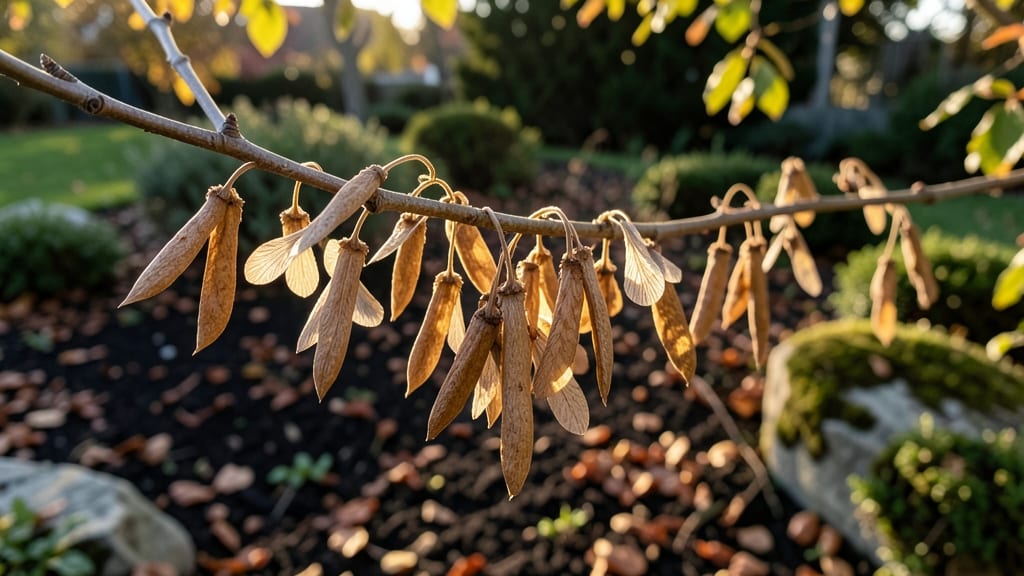
Harvesting poplar tree seed pods turns your backyard into a nursery for next year’s trees. 🌿 These fluffy cottonwood-like pods appear in late summer, and collecting them is easier than you think—just time it right and handle them carefully to avoid wasting the seeds inside.
The key to success starts with proper storage: dry the pods completely before sealing them in paper bags. Poplar seeds need cold stratification to germinate, so plant them in fall or store them in the fridge for 6-8 weeks before sowing.
Fast-growing but short-lived, these trees thrive in moist soil but can spread aggressively—so plan where you’ll plant them carefully. By spring, you’ll see tiny green shoots pushing through the soil, ready to grow into towering shade trees.
The process is simple, but the payoff is worth the patience—imagine having your own poplar forest in just a few years! Just be mindful of their invasive tendencies, especially near waterways or natural areas.
With the right approach, you can grow these trees responsibly while enjoying their rapid growth and graceful form.
📚 In This Guide
- What you need
- Instructions
- Tips and common mistakes
- Wrapping up and next steps
What you need
- ● Poplar tree seed pods: Collect 10–20 mature, fluffy seed pods (greenish-brown, about 1–2 inches long) from healthy, disease-free trees in late summer or early fall.
- ● Pruning shears or sharp scissors: One pair with clean, sharp blades for harvesting pods without damaging the tree.
- ● Brown paper bags or breathable fabric sacks: 3–5 medium-sized bags (12x15 inches) to store pods while they dry.
- ● Newspaper or paper towels: A few sheets for drying and separating seeds.
- ● Small mesh bags or envelopes: 2–3 lightweight, breathable options (like organza bags) for long-term seed storage.
- ○ Plastic container with lid: One shallow, airtight container (e.g., a Tupperware) for temporary seed storage (optional but helpful).
- ○ Gloves (optional): A pair of lightweight gardening gloves to protect your hands from sap or prickly stems.
- ○ Magnifying glass (optional): Useful for inspecting seeds for viability or pests.
- ○ Fine-tip paintbrush (optional): Helps gently separate seeds from chaff if needed.
- ● Planting tray or seedling pots: 6–12 small pots (2–3 inches deep) with drainage holes for sowing seeds indoors.
- ● Potting soil or seed-starting mix: 1–2 gallons of lightweight, sterile mix (avoid garden soil to prevent mold).
- ● Spray bottle with water: For misting soil and seeds during germination.
- ● Plastic wrap or clear lid: To create a mini greenhouse effect for seedling trays.
- ● Timing: Harvest pods when they’re fully mature but still attached (they’ll release seeds easily when dry). Aim for late September to October.
- ● Location: Choose a poplar tree in a sunny, open area away from roads or pollution for healthier seeds.
- ● Storage conditions: Keep pods and seeds in a cool, dry place (50–60°F) until ready to sow.
- ● Legal note: Check local regulations—some areas restrict planting poplar trees due to their fast growth and invasive potential.
Step-by-step guide to harvesting and storing poplar seed pods
Ready to collect and save poplar tree seed pods for next year's planting? Here's my foolproof method.
🌿 Step 1: Identify and Harvest Mature Seed Pods
Poplar seed pods, also called "cottonwood fluff," appear in late spring or early summer as fuzzy, green capsules. Wait until they turn tan or light brown—this means they're fully mature and ready for collection. The best time to harvest is on a dry, windless day when the pods are fully open and releasing seeds.
Gently shake the tree branches or use a long-handled rake to dislodge the pods. Work in a large, clean tarp or bucket to catch the fluffy seeds. If you're near water, be extra careful—poplars often grow near streams or ponds, and falling pods can drift away. I like to harvest early in the morning when the air is still, so the seeds stay contained.
🪴 Step 2: Clean and Separate the Seeds
Once you've collected the pods, spread them out on a large, flat surface like a clean sheet or cardboard. Use your hands or a soft brush to gently separate the seeds from the fluff. The seeds are the small, hard, brown nuts inside the fuzzy material. Avoid using a fan or blowing air—this will scatter the lightweight fluff everywhere.
I find a fine-mesh screen or old window screen works best for sifting. Place the screen over a bucket and gently shake or tap the pods to let the seeds fall through while the fluff stays on top. Discard the fluff or save it for crafts—it’s not useful for planting. Store the cleaned seeds in a paper envelope (not plastic) to prevent moisture buildup.
⏰ Step 3: Store Seeds Properly for Germination
Poplar seeds need a cold stratification period to germinate successfully. Place the sealed envelope of seeds in a ziplock bag and refrigerate them for 3-6 months in a moist but not wet environment. I like to add a damp paper towel to the bag to maintain humidity without sogginess. Check the seeds monthly to ensure they haven’t dried out or molded.
After stratification, transfer the seeds to a cool, dry place until you're ready to plant them in spring. Poplar seeds can remain viable for years if stored properly, but I recommend planting them within 1-2 years for the best germination rates. Label your storage container with the date and variety (if known) to keep track.
🌱 Step 4: Plant Stratified Seeds in Spring
When spring arrives and the soil temperature reaches at least 50°F, it’s time to plant. Poplar seeds germinate best in well-draining, slightly acidic soil with plenty of sunlight. Scatter the seeds on the soil surface—do not cover them with soil, as they need light to germinate. Press them lightly into the soil to ensure good contact.
Keep the planting area consistently moist but not waterlogged. Germination typically occurs within 2-4 weeks, though some seeds may take longer. Once seedlings reach 3-4 inches tall, thin them to 6-8 inches apart to give each tree room to grow. Poplars grow fast, so early spacing prevents overcrowding.
Tips & tricks for perfect poplar tree seed pod collection
These little-known tricks will help you maximize your harvest and ensure your poplar seeds grow into strong, healthy trees.
Timing is Everything: Harvest poplar seed pods in the early morning when dew is present—this helps contain the fluffy seeds and makes collection easier. Avoid harvesting on windy days, as the lightweight seeds will scatter everywhere. I've learned this the hard way after watching seeds drift away into nearby water sources! The tan or light brown color is your best indicator of maturity, so don't rush—wait until they're fully ready.
Cleaning Strategy: For efficient seed separation, use a fine-mesh screen or old window screen placed over a bucket. Gently shake the pods to let the seeds fall through while the fluff stays on top. This method works better than trying to pick seeds by hand and prevents the fluff from getting everywhere. Store cleaned seeds in paper envelopes—plastic traps moisture, which can cause mold during storage.
Stratification Secrets: During the 3-6 month cold stratification period, place a damp paper towel in the ziplock bag with your seeds. This maintains just enough moisture without making the environment soggy. Check monthly to ensure no mold develops—this is critical for successful germination. I like to label my bags with the date to track the stratification timeline accurately.
Planting Preparation: Before planting, test your soil's moisture by squeezing a handful—it should hold together but not be dripping wet. Poplar seeds need consistent moisture but will drown if waterlogged. Once seedlings reach 3-4 inches, thin them to 6-8 inches apart immediately—poplars grow quickly, and overcrowding leads to weak, spindly trees.
Pro Tips for Poplar Tree Seed Pods
- These little-known tricks will help you maximize your harvest and ensure your poplar seeds grow into strong, healthy ...
- Timing is Everything: Harvest poplar seed pods in the early morning when dew is present—this helps contain the fluffy...
- Cleaning Strategy: For efficient seed separation, use a fine-mesh screen or old window screen placed over a bucket. G...
Frequently asked questions
Got questions about poplar tree seed pods? You’re not alone! Here are answers to the most common queries—whether you’re harvesting, storing, or planning to grow new trees.
When is the best time to collect poplar seed pods?
Harvest poplar seed pods in late fall or winter (November–February) when they’re dry, brown, and fluffy. Avoid collecting them too early—they won’t release seeds properly. Look for pods that split open easily when gently squeezed.
Can I store poplar seed pods for later planting?
Yes! Store them in a cool, dry place (like a paper bag or envelope) until spring. Keep them away from moisture to prevent mold. If stored properly, they can stay viable for 1–2 years—though fresh seeds germinate best.
What if my seed pods won’t open to release seeds?
Try these fixes:
- Freeze them overnight—cold helps break dormancy.
- Rub between two sheets of sandpaper to mimic wind dispersal.
- Soak in warm water for 24 hours to soften the pods.
Are poplar seed pods safe for birds or pets?
Poplar seed pods are non-toxic to birds and pets, but the fluffy fibers can irritate lungs if inhaled in large amounts. Avoid letting pets chew them—swallowing whole pods may cause mild digestive upset. Birds love the seeds as a snack!
Can I grow poplar trees from seed pods instead of buying saplings?
Poplar seeds are easy to grow—just sow them in well-draining soil, keep moist, and place in partial shade. Germination takes 2–4 weeks. While slower than saplings, this method is cost-effective and rewarding for patience. Just be aware: poplars grow fast and tall!
Wrapping up and next steps
Poplar tree seed pods are nature’s way of helping you grow new trees with minimal effort! Whether you’re harvesting them for propagation or simply admiring their unique fluff, these pods offer a rewarding way to expand your green space.
Now that you’re equipped with the know-how, why not plant a few this season and watch your yard flourish with fresh poplars? 🌱
Ready to take the next step? Grab your gloves and seed pods—your future trees are waiting! 🌳