
Lawn
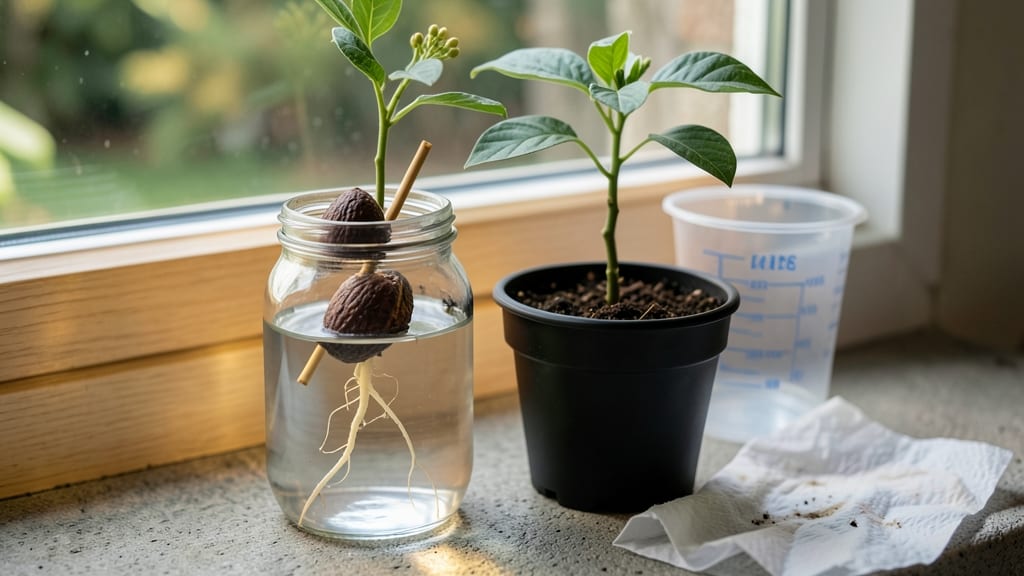
Sprouting an avocado seed in water is the easiest way to grow a tiny greenhouse sapling that could one day bear fruit. 🌱 All you need is patience, a glass of water, and a seed from your grocery store avocado—no fancy equipment required.
I’ve turned this into a fun project for kids and adults alike, and within 3 weeks, you’ll have roots long enough to plant in soil.
The secret lies in keeping the water fresh and the seed upright. Most people skip changing the water every 2-3 days, which leads to mold or stunted roots. I learned that the hard way—my first attempt turned into a science experiment gone wrong until I got the routine right.
Once you do, you’ll see roots emerge within 7-10 days, growing about 1 inch per week if conditions are ideal.
By the time you’re ready to transfer the seedling to soil, you’ll have a 6-inch-tall sapling with a sturdy root system. The best part? It’s not just a novelty—this method actually gives your avocado a stronger start than buying a young plant.
Just be patient; it takes 1-2 years before you see leaves, but the wait is worth it for that first glimpse of green.
Works in any climate, though warmer rooms speed up growth. If your seedling stalls, check the water level and light exposure—bright, indirect light is key. Once you master this, you can experiment with different soil mixes or even grow multiple seeds for a mini avocado grove.
Let’s get those roots growing!
📚 In This Guide
- What you need
- Instructions
- Tips and common mistakes
- Wrapping up and next steps
What you need
- ● 1 fresh avocado seed – Choose one with a slightly damp, firm texture (avoid dried or moldy pits!)
- ● 3-4 toothpicks or wooden skewers – For balancing the seed (ensure they’re food-safe and clean)
- ● 1 small glass or jar – At least 6 inches tall (a mason jar or clear cup works perfectly)
- ● Water – Room-temperature, filtered if possible (chlorine can stunt growth)
- ○ 1 damp paper towel or coffee filter – To keep the seed moist (optional but helpful)
- ● Potting soil – Well-draining mix for transplanting later (cactus/succulent blend is ideal)
- ● Small pot with drainage holes – 4-6 inches in diameter (for when roots reach 2-3 inches)
- ● Plant food or compost tea – Diluted organic fertilizer (once leaves appear)
- ● Spray bottle – For gentle misting if the water evaporates too quickly
- ● Ruler or measuring tape – To track root growth (because watching those roots pop is chef’s kiss 👌)
Step-by-Step instructions for sprouting avocado seeds in water
Here's how to turn a simple seed into a thriving avocado sapling—no fancy equipment needed.
🌱 Step 1: Prepare the Seed and Soak It Overnight
Start by washing the avocado seed thoroughly to remove any remaining fruit residue. I like to scrub it gently with a soft brush under warm water—this cleans the seed without damaging its outer shell. Once clean, place the seed in a glass or jar filled with enough water to cover about 1 inch of the bottom. The seed doesn’t need to be fully submerged.
Leave the seed in the water overnight, or at least 8-12 hours. This soaking softens the hard outer shell slightly, kickstarting the germination process. You’ll notice tiny roots beginning to emerge within 24-48 hours—this is your first sign that everything is working. If you’re impatient, you can gently tap the seed on a hard surface to encourage a faster response, but don’t force it.
💧 Step 2: Position the Seed for Root Growth
After soaking, transfer the seed to a larger container—like a mason jar or clear glass—with fresh water. The roots will grow downward, so position the seed with the pointy end facing down and the wider, flatter end facing up. This orientation helps the roots anchor properly while the stem grows upward.
Place the container in a warm, bright spot—like a sunny windowsill—but avoid direct sunlight for the first few days. You want the water to stay lukewarm (around 70-75°F). Change the water every 2-3 days to prevent bacterial growth and keep it fresh. Watch for the first 1-inch roots to appear, which usually happens within 1-2 weeks. This is when the real magic starts!
☀️ Step 3: Encourage Stem Growth and Transplant
Once the roots reach about 2-3 inches long, you’ll start seeing a small stem emerge from the top of the seed. This is the moment to transition from water to soil. Fill a small pot—4-6 inches deep—with well-draining potting mix. I like to mix in a little perlite or sand to ensure excess water drains away quickly, which avocado seeds hate.
Dig a hole in the center of the pot, place the seed gently so the roots are buried but the top half remains exposed, and fill the hole with soil. Press lightly to secure the seed but don’t compact the soil too much. Water the soil until it’s moist but not soggy, and place the pot in a spot with bright, indirect light. You’ll see the first true leaves appear within 2-3 weeks, signaling that your sapling is thriving.
🪴 Step 4: Maintain Humidity and Light for Healthy Growth
Avocado seedlings love humidity, so I cover the pot with a clear plastic bag or use a humidity dome for the first few weeks. This mimics the tropical environment where avocado trees naturally grow. Remove the cover for 30 minutes daily to prevent mold and allow fresh air circulation. Keep the soil consistently moist—never let it dry out completely—but avoid overwatering, as this can cause root rot.
Rotate the pot a quarter turn every few days to ensure even growth toward the light. If you notice the stem leaning or the leaves turning pale, your sapling needs more light. A grow light can help if natural light is insufficient. With patience, your avocado seedling will grow into a sturdy 3-foot sapling within 3-6 months, ready for a larger pot or outdoor planting in warmer climates.
Tips & tricks for sprouting avocado seeds in water
Here's what I've learned from sprouting dozens of avocado seeds—these little tricks make all the difference between a thriving sapling and a sad, wilted seed.
Soaking Secret: The 8-12 hour soak is your foundation, but don't rush it! I've found that adding a pinch of cinnamon to the water can prevent mold growth during this critical stage. It's subtle but effective—just a tiny sprinkle is all you need. The seed needs this time to absorb moisture and soften its shell, so resist the urge to check on it constantly. Patience here pays off with stronger roots later.
Positioning Matters: When placing your seed in Step 2, make sure the pointy end is facing down—this isn't just about looks, it's about physics. The roots naturally grow downward due to gravity, and this orientation helps them anchor properly. I've seen seeds with the wrong orientation grow roots in all directions, making them weak and difficult to transplant later. Think of it like building a house—you want that foundation solid!
Light and Temperature Balance: That lukewarm 70-75°F water temperature is perfect for encouraging root growth, but don't let the container get too hot. I place mine on a kitchen counter near a window where it gets indirect light during the day but stays cool at night. If your home runs cold, consider using a small heating pad under the container (on low setting) to maintain that ideal temperature. The roots will grow faster and stronger with consistent warmth.
Transplant Timing: Waiting until roots reach 2-3 inches before transplanting is crucial—this gives them enough strength to support the growing stem. I've made the mistake of transplanting too early, and those seedlings would always wilt within days. When you see that first stem emerge, it's your cue that the roots have established enough to handle soil. The transition from water to soil can be stressful for the seed, so be gentle when handling it during this step.
Pro Tips for Sprout An Avocado Seed In Water
- Here's what I've learned from sprouting dozens of avocado seeds—these little tricks make all the difference between a thriving sapling and a sad, wilted seed.
- Soaking Secret: The 8-12 hour soak is your foundation, but don't rush it!
- Positioning Matters: When placing your seed in Step 2, make sure the pointy end is facing down—this isn't just about looks, it's about physics.
Frequently asked questions
Got questions about sprouting avocado seeds? You’re not alone! Here are answers to the most common queries to help you grow a thriving sapling with confidence.
How long does it take for avocado seeds to sprout?
Most avocado seeds start sprouting roots in 2–6 weeks, depending on seed size, temperature (ideal: 70–85°F), and humidity. Patience is key—some seeds take longer, especially if they’re small or dormant. Keep the toothpicks secure and the water fresh to speed up the process!
What if my avocado seed isn’t sprouting?
Don’t worry—try these fixes:
- Check the water: Refresh it every 2–3 days to prevent mold or stagnation.
- Adjust the angle: Ensure the seed’s bottom half stays submerged (not the top).
- Warmth matters: Place near a sunny window or use a heat mat if your home is cool.
- Patience: Some seeds need up to 8 weeks—keep the toothpicks snug and avoid moving the jar.
Can I use anything other than toothpicks to suspend the seed?
Toothpicks are classic, but you can also use:
- Bamboo skewers (sturdier for larger seeds).
- Rubber bands or string (tie around the seed’s middle).
- Small plastic clips or clothespins (secure the seed to the jar’s rim).
When should I transplant the sprouted seed?
Transplant your avocado seedling once it has 6-inch roots and 2–3 leaves (usually 4–6 weeks after sprouting). Use well-draining soil (like cactus mix) and a pot with drainage holes. Water lightly after planting to avoid shocking the roots. Pro tip: Keep it in bright, indirect light for the first week to ease the transition!
Will my avocado tree grow fruit indoors?
Avocado trees grown from seeds are unlikely to bear fruit indoors—they’re more decorative! Fruit-bearing trees require grafting and years of care. However, your seedling can thrive as a houseplant for 10–20 years with proper light, humidity, and occasional pruning. For fruit, consider buying a grafted tree from a nursery!
Wrapping up and next steps
Sprouting an avocado seed in water is a simple, rewarding project that brings a touch of green to your home—and maybe even your garden! 🌱 With just a few supplies and patience, you’ve got a greenhouse-ready sapling in just 3 weeks.
Whether you’re a beginner or a plant enthusiast, this process teaches you the basics of nurturing life from something as humble as a seed.
Now that you’ve mastered the technique, why not take it further? Plant your rooted avocado seed in soil and watch it grow into a lush, leafy tree. Ready to turn your tiny sprout into a thriving houseplant? Check out our guide on transplanting and keep the adventure going!