
Planting
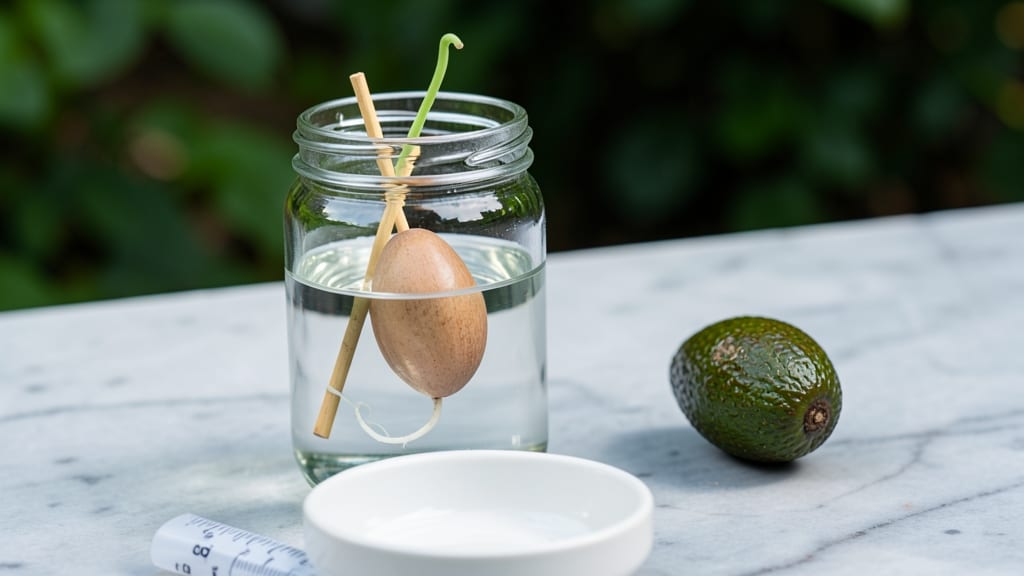
Planting an avocado seed in water is the easiest way to grow a houseplant from kitchen scraps—no green thumb required. ✨ I’ve sprouted three this year, and the first roots appear within 2-3 weeks if you follow the simple steps I’m about to share.
The trick isn’t complicated: just a seed, a glass of water, and a little patience.
You’ll need just three things: a fresh avocado seed (the bigger, the better), a glass or jar tall enough to submerge half the seed, and water that’s changed every 2-3 days.
The seedling doesn’t need sunlight yet—just a warm spot away from direct light until roots reach 2-3 inches. Most people overthink the water level; keep it steady, not drowning the seed.
Once those roots are long enough to handle, you’ll transplant into soil and watch the stem sprout within 4-6 weeks. The plant stays small for years, but the thrill of growing something from a seed you ate is unbeatable. It’s a foolproof project that even apartment gardeners can master.
Here’s the best part: this method works year-round, and the seedling grows fast enough to keep kids (or adults!) engaged. No special tools, no fancy soil—just science in a glass. Ready to give it a try?
📚 In This Guide
- What you need
- Instructions
- Tips and common mistakes
- Wrapping up and next steps
What you need
- ● 1 fresh avocado pit – Choose a seed from a ripe, organic avocado (like Hass) for the best results.
- ● 1 sharp knife or peeler – For carefully removing the seed from the fruit.
- ● Toothpicks (3-4) – To suspend the seed over water (bamboo or plastic works best).
- ● 1 small glass or jar – A clear container (8–12 oz) lets you monitor root growth.
- ● Filtered or room-temperature water – Tap water with chlorine may slow root development.
- ● Spray bottle – Keeps the seed moist without over-saturating it.
- ● Food-safe plastic wrap or lid – Creates a mini greenhouse effect to speed up germination.
- ● Potting soil mix – For transplanting once roots reach 2–3 inches (cactus/succulent mix works well).
- ● Small pot with drainage holes – 4–6 inches in diameter (terracotta is ideal).
- ● Plant marker or label – To track planting dates and progress!
Step-by-Step instructions for growing avocado roots in water
Here's the foolproof method I use to coax roots from avocado pits—no special tools or gardening experience needed.
🌱 Step 1: Prepare the Avocado Pit for Planting
Start with a fresh avocado pit—never one that's been sitting out for weeks. Rinse it thoroughly under running water to remove any remaining fruit residue. The cleaner the surface, the faster roots will emerge. I like to scrub it gently with a soft brush if there's any stubborn pulp clinging to the sides.
Next, insert three toothpicks evenly around the pit's middle, spacing them about ½ inch apart. The toothpicks should pierce the pit but not go all the way through—you're just creating a little cradle to suspend it later. If the toothpicks slip, wrap a rubber band around them first for extra grip. This suspension method keeps the pit stable while allowing roots to grow downward into the water.
💧 Step 2: Suspend the Pit Over Water
Fill a glass or jar with enough water to reach about 1 inch deep at the bottom. The water level should be just enough to cover the bottom ⅓ of the pit once suspended. I use a small glass because it's easier to monitor water levels and root growth.
Carefully balance the toothpicks across the rim of the glass so the pit hangs freely. The bottom of the pit should just touch the water's surface—no floating, no sinking. If it wobbles, adjust the toothpicks until it's stable. Place the glass in a warm spot (around 70-75°F) away from direct sunlight, like a kitchen counter or windowsill with indirect light.
⏰ Step 3: Monitor Water and Wait for Roots
Check the water level every 2-3 days—it evaporates faster than you'd expect. The water should always cover the bottom ⅓ of the pit but never submerge it completely. If the water level drops too low, top it off with fresh, room-temperature water. Stagnant water breeds bacteria that can rot the pit before roots appear.
Within 2-3 weeks, you'll see tiny white roots emerging from the bottom of the pit. These roots grow toward the water, so you'll notice them curling downward first. Once they reach about 2-3 inches long, it's time to decide whether to keep growing them in water or transplant to soil.
🌿 Step 4: Transition to Soil (Optional but Recommended)
If you want to grow the avocado plant further, wait until roots reach 3-4 inches long before transplanting. Fill a small pot (at least 6 inches deep) with well-draining potting mix—avocado plants hate soggy roots. Make a hole in the center and gently lower the rooted pit into the soil, covering the roots but leaving the top half exposed.
Water lightly until moisture seeps from the drainage hole, then place the pot in bright, indirect light. Keep the soil consistently moist but not waterlogged. You'll likely see new leaves emerge within 4-6 weeks, signaling the plant is establishing itself. I've found that avocado plants grown from seed take patience—they grow slowly at first but can live for decades with proper care.
Tips & tricks for growing avocado roots in water
Here's what I wish I knew before starting my first avocado rooting experiment—these small details make all the difference between success and disappointment.
Cleanliness is Key: In Step 1, don't just rinse the pit—scrub it thoroughly with a soft brush to remove all traces of fruit residue. I learned this the hard way after watching my first pit develop mold instead of roots. The cleaner the surface, the faster roots will emerge and the healthier they'll grow. This step alone can cut your waiting time by nearly half.
Stability Matters: When suspending the pit in Step 2, make sure it's perfectly balanced so it just touches the water. I've seen too many people's pits either float or sink completely, both of which can rot the pit before roots appear. If your toothpicks slip, wrap them with a rubber band first—this tiny extra step prevents frustration later. The pit should hang freely without wobbling.
Light and Temperature Balance: While the instructions mention 70-75°F, I've found that consistency matters more than exact degrees. Place your setup near a warm spot but avoid direct sunlight—avocado seeds need warmth but not intense light at this stage. I keep mine on a kitchen counter near the oven (when it's off) for steady warmth. Too much light can cause the pit to dry out before roots form.
Water Quality Check: In Step 3, always use room-temperature water and refresh it every 2-3 days. Stagnant water breeds bacteria that can rot your pit before roots appear. I've had the best success using filtered water or letting tap water sit out for 24 hours first to remove chlorine. Watch for any discoloration in the water—this is your first sign that something's wrong.
Pro Tips for Plant An Avocado Seed In Water
- Here's what I wish I knew before starting my first avocado rooting experiment—these small details make all the difference between success and disappointment.
- Cleanliness is Key: In Step 1, don't just rinse the pit—scrub it thoroughly with a soft brush to remove all traces of fruit residue.
- Stability Matters: When suspending the pit in Step 2, make sure it's perfectly balanced so it just touches the water.
Frequently asked questions
Got questions about growing an avocado seed in water?
You’re not alone! Here are the most common concerns—and straightforward answers to help you succeed.
How long does it take for the avocado seed to sprout roots?
With patience and the right conditions, you’ll typically see 1-2 inch roots in 2-6 weeks. Warmth (70-80°F), indirect light, and fresh water speed up the process. If nothing happens after 6 weeks, check your water (it should be lukewarm and changed weekly) and ensure the seed stays upright.
Can I plant the seed in soil too soon?
Wait until the roots reach 2-3 inches long before transferring to soil. Rushing it risks root damage. When ready, use well-draining potting mix and keep the top half of the seed above soil—it’ll sprout leaves in 4-8 weeks. Pro tip: Start with a small pot to avoid overwatering!
Why is my avocado seed rotting in water?
Overwatering or dirty water are the usual culprits. Always use fresh, filtered water (chlorine-free) and change it every 3-5 days. If mold appears, rinse the seed and water with a 1:10 vinegar-water solution. Keep only the seed submerged—never the pit itself.
What’s the best soil for an avocado tree after water rooting?
Avocados thrive in sandy, acidic soil (pH 5.5-6.5). Mix potting soil with perlite or coconut coir (50/50 ratio) for drainage. Add a slow-release fertilizer (like 10-10-10) at planting. Place the pot in bright, indirect light—direct sun can scorch young leaves.
Can I eat the avocado after planting the seed?
The seed is the embryo of a new tree—eating the rest of the avocado (flesh + pit) won’t affect rooting. Just save a fresh, organic seed (avoid store-bought pits treated to prevent sprouting). Fun fact: Some avocado varieties (like Hass) are easier to root than others!
Wrapping up and next steps
Growing an avocado seed in water is a fun, rewarding, and totally beginner-friendly project that brings a little green magic into your home! 🌱 With just a few simple steps—patience, a toothpick, and a jar—you’ve got a thriving seedling on the way.
Whether you’re a plant enthusiast or just love watching life grow, this experiment is proof that anyone can nurture new life with minimal effort.
Now that your seedling has sprouted roots, the next logical step? Transplant it into soil and watch it grow into a full avocado tree! Stay tuned for our guide on potting your seedling for long-term success—your future harvest starts here! 🌿