
Lawn
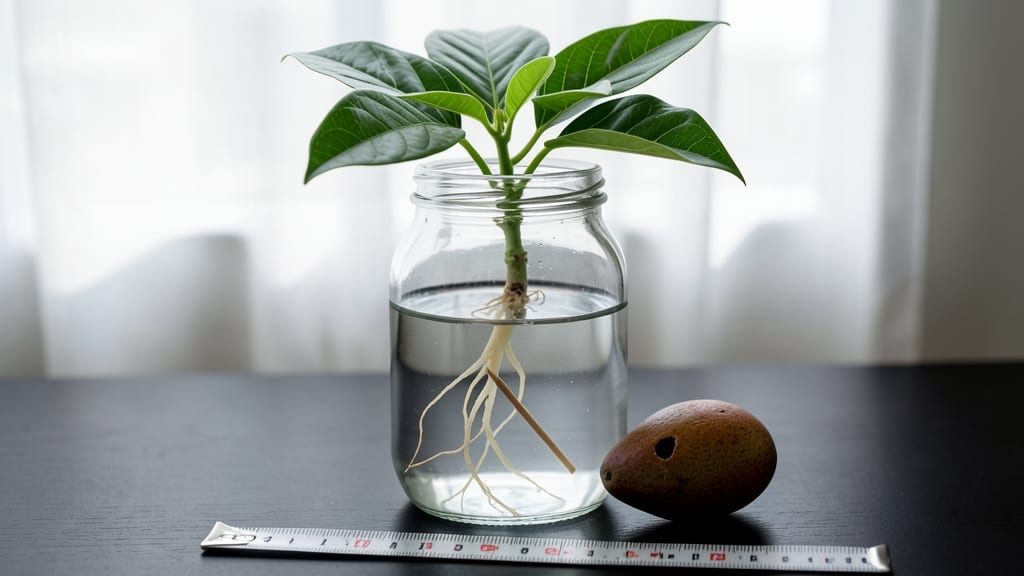
Growing an avocado plant from a seed in water is the easiest way to start your tropical journey—no soil required. ✨ I’ve sprouted three this way, and the first roots appear in just 2-3 weeks if you keep the water fresh and the seed warm.
The method is foolproof for beginners, but the real magic happens when those first roots break through the skin.
All you need is a fresh avocado pit, three toothpicks, a jar of water, and patience. The toothpicks suspend the seed so the bottom half stays submerged while the top stays dry—this mimics the natural environment where avocado seeds germinate.
Change the water every 2-3 days to prevent mold, and place your jar in a warm, sunny spot (like a kitchen windowsill).
Once roots reach 4-6 inches, it’s time to transplant into soil. The seedling will grow slowly at first, but with consistent light and occasional fertilizer, you’ll see leaves in 4-6 weeks.
The best part? This plant thrives indoors year-round, turning your kitchen into a mini jungle with glossy green leaves and the occasional avocado flower.
Watch for root rot if the water stays stagnant, and avoid overwatering after transplanting. With this method, you’re not just growing a plant—you’re creating a living piece of decor that tells a story. Here’s how to keep it alive for years.
📚 In This Guide
- What you need
- Instructions
- Tips and common mistakes
- Wrapping up and next steps
What you need
- ● 1 fresh avocado pit – Choose a seed with a smooth, unblemished skin and no signs of mold. (Pro tip: 💡 The larger the seed, the better—it stores more nutrients for early growth!)
- ● 1 clean glass or jar – A 16–24 oz mason jar or a tall drinking glass works perfectly. Make sure it’s at least 6 inches tall to accommodate root growth.
- ● Toothpicks (3–4) – Wooden or plastic toothpicks (avoid metal—they can corrode).
- ● Water – Room-temperature, filtered water (chlorine can inhibit germination). Change it every 2–3 days.
- ● Paper towels or coffee filters – 2–3 sheets to cover the top of the jar and keep moisture in.
- ○ Bright, indirect sunlight – A south-facing window or a grow light (optional but helpful).
- ● Hydroponic growing medium – Like coco coir or vermiculite for transplanting roots once they’re 2–3 inches long.
- ● Small pot (6–8 inches wide) – With drainage holes for when you’re ready to transfer your seedling to soil.
- ● Plant food or seaweed extract – A diluted liquid fertilizer (1 tsp per gallon of water) to boost growth after roots sprout.
- ● Humidity dome or plastic wrap – To maintain moisture while roots develop.
- ● Notebook & pen – To track water changes, root growth, and milestones (fun for kids or plant enthusiasts!).
Step-by-Step instructions for growing avocado seeds in water
Here's how I've successfully sprouted avocado seeds in water—no soil required!
🌱 Step 1: Prepare the Seed and Remove the Pit
Start with a fresh avocado pit—one that hasn't been sitting out for weeks. Rinse it thoroughly under cool water to remove any remaining fruit residue. You'll see a small, flat end where the avocado was attached to the fruit and a wider, rounded end where the stem was. The rounded end is where the roots will emerge.
Use a clean, sharp knife to carefully slice off the flat end, exposing the seed's inner core. I like to angle the blade slightly to make the cut easier. Once you've removed about ½ inch of the flat end, you'll see the seed's "belly" where the roots will grow. Don't cut too deep—just enough to expose the seed's core without damaging it.
💧 Step 2: Insert Toothpicks and Suspend the Pit
Place the avocado pit in a bowl of water, rounded end down. This helps you visualize where the roots will grow. Using 4 toothpicks, gently insert them around the middle of the pit, spacing them evenly. The toothpicks should be positioned so the pit hovers above the waterline—this keeps the seed stable while allowing the roots to grow downward into the water.
I like to use a small glass or jar for this step because it lets you monitor the water level and root growth easily. Make sure the water covers only the bottom ½ inch of the pit. Too much water can rot the seed before roots have a chance to form. Change the water every 3-4 days to keep it fresh and prevent bacterial growth.
☀️ Step 3: Provide Warmth and Indirect Light
Place the bowl in a warm spot with bright, indirect light—a kitchen windowsill or near a grow light works well. Avocado seeds germinate best in temperatures between 65-75°F. If your home runs cooler, consider using a seedling heat mat or placing the bowl on top of a refrigerator to keep it warm.
You'll notice tiny white roots emerging from the rounded end within 2-6 weeks. The key here is patience—don't rush the process by overwatering or moving the pit around. Once the roots reach about 2 inches long, you can start thinking about transplanting into soil, but the seedling can stay in water for several weeks if you prefer.
🌿 Step 4: Encourage Leaf Growth and Prepare for Soil
Once the roots are 2-3 inches long, you'll start to see a small green shoot emerging from the top of the pit. This is your first true leaf! Keep the water level consistent—just enough to cover the roots but not submerge the pit entirely. At this stage, the seedling is fragile, so avoid disturbing it.
When the shoot reaches about 6 inches tall and has a few leaves, it's ready for its first soil transplant. I like to use a small pot with well-draining potting mix and a 2-inch drainage hole to prevent root rot. Water lightly after transplanting and place the pot in bright, indirect light for a week to help it adjust.
⏰ Step 5: Transition to Soil and Long-Term Care
After transplanting, keep the soil consistently moist but not soggy. Avocado seedlings thrive in partial shade for the first few months, so avoid placing them in direct sunlight until they're established. You'll see new leaves emerge within 2-4 weeks—this is your signal that the plant is adapting well.
Real talk: Avocado trees grown from seed rarely produce fruit, but they make beautiful houseplants! With patience, your seedling can grow into a 10-15 foot tall indoor tree over time. Prune leggy growth to encourage bushier development, and fertilize lightly every 2-3 months with a balanced houseplant fertilizer.
Tips & tricks for growing avocado seeds in water
Here's what I learned after sprouting dozens of avocado seeds—these tricks make all the difference between success and disappointment.
Seed Selection Matters: Not all avocado pits will sprout, so choose wisely. Look for pits that are firm and heavy for their size—these tend to have the highest germination rates. I've found Hass avocado pits work best because they're larger and more robust. Avoid pits that feel hollow or light when held, as they're often too dry to sprout.
Precision with the Toothpicks: When inserting the 4 toothpicks in Step 2, space them evenly around the pit's middle. The goal is to keep the pit stable while allowing the rounded end to hang freely in the water. I like to use bamboo toothpicks—they're sturdy enough to hold the pit but won't damage it if I need to adjust them later. Make sure they're inserted at the same height to prevent the pit from tipping.
Water Level is Critical: The instructions mention covering only the bottom ½ inch of the pit, but I can't stress this enough—too much water causes rot, while too little prevents root growth. Use a clear container so you can easily monitor the water level. I like to add a small amount of water daily rather than waiting for the full 3-4 day change. This keeps the water fresh and prevents bacterial growth that can harm your sprouting seed.
Light and Temperature Balance: While Step 3 mentions bright, indirect light, I've found that avocado seeds actually do better with slightly more light than many houseplants. Place your container near an east-facing window where it gets morning sun but avoids harsh afternoon rays. If using a grow light, keep it about 6-8 inches above the waterline. The 65-75°F range is perfect—if your home runs cooler, try placing the container on top of a refrigerator or near a warm spot like a sunny windowsill during the day.
Pro Tips for Avocado Seed In Water
- Here's what I learned after sprouting dozens of avocado seeds—these tricks make all the difference between success an...
- Seed Selection Matters: Not all avocado pits will sprout, so choose wisely. Look for pits that are firm and heavy for...
- Precision with the Toothpicks: When inserting the 4 toothpicks in Step 2, space them evenly around the pit's middle. ...
Frequently asked questions
Got questions about growing an avocado seed in water? You’re not alone!
Here are answers to the most common queries to help you sprout success—no green thumb required.
How long does it take for an avocado seed to sprout in water?
Patience is key! Most avocado seeds take 2–6 weeks to sprout once roots appear. The pit needs consistent moisture (change water every 2–3 days) and warmth (65–80°F). If you’re not seeing progress after 6 weeks, check for mold or rot—it might need a fresh start. Pro tip: Place near a sunny window to encourage faster growth!
What if my avocado seed isn’t sprouting after weeks in water?
Don’t panic! A few factors could be slowing things down:
- Mold or rot: If the water smells funky or the seed turns mushy, rinse it and start fresh with clean water.
- Not enough warmth: Move it to a cozier spot (like near a heater or in a greenhouse).
- Old or damaged seed: Some seeds take longer—or may never sprout. Try a new seed if yours is over 6 weeks old.
Can I plant the avocado seed in soil before roots are long?
Yes! Once you see 2–3 inches of roots, it’s safe to transplant into soil. Wait until the roots are sturdy to avoid breakage. Use well-draining potting mix and plant the seed halfway (roots down, top half exposed). Keep the soil moist but not soggy. No soil yet? Keep it in water until roots hit 4+ inches for extra stability.
Do I need to change the water daily, or can I leave it longer?
Change the water every 2–3 days to prevent bacterial growth and mold. Stagnant water can suffocate the seed or attract pests. Use a small amount—just enough to cover the bottom ¼ inch of the seed. Bonus: Add a drop of hydrogen peroxide (3%) weekly to keep water fresh and oxygenated!
What if I don’t want to use water—are there alternatives?
Water isn’t the only way to sprout an avocado seed:
- Paper towel method: Wrap the seed in a damp paper towel, place it in a sealed bag, and store it in a warm spot. Check weekly for sprouts.
- Direct soil planting: Bury the seed halfway in moist soil and wait 4–8 weeks. This mimics natural conditions but takes longer.
- Peat moss or coconut coir: A damp, airy medium can work too—just keep it consistently moist.
Why is my avocado seed turning black or smelly?
Blackening or a foul odor means rot or mold—time to act!
- Rinse the seed thoroughly with clean water.
- Trim any blackened or mushy areas with a sterile knife.
- Soak in a 1:10 hydrogen peroxide/water solution for 10 minutes to disinfect.
- Start fresh with clean water in a jar.
Wrapping up and next steps
Growing an avocado seed in water is a rewarding and simple way to kickstart your green thumb journey—no soil required! 🌱 You’ve now got the tools and know-how to nurture your seed into a thriving plant, all while learning patience and care.
Ready to watch your tiny seed transform into a lush tree? Plant your sprouted seed in well-draining soil and keep it in a sunny spot—your future avocado tree is just weeks away!