
Propagation
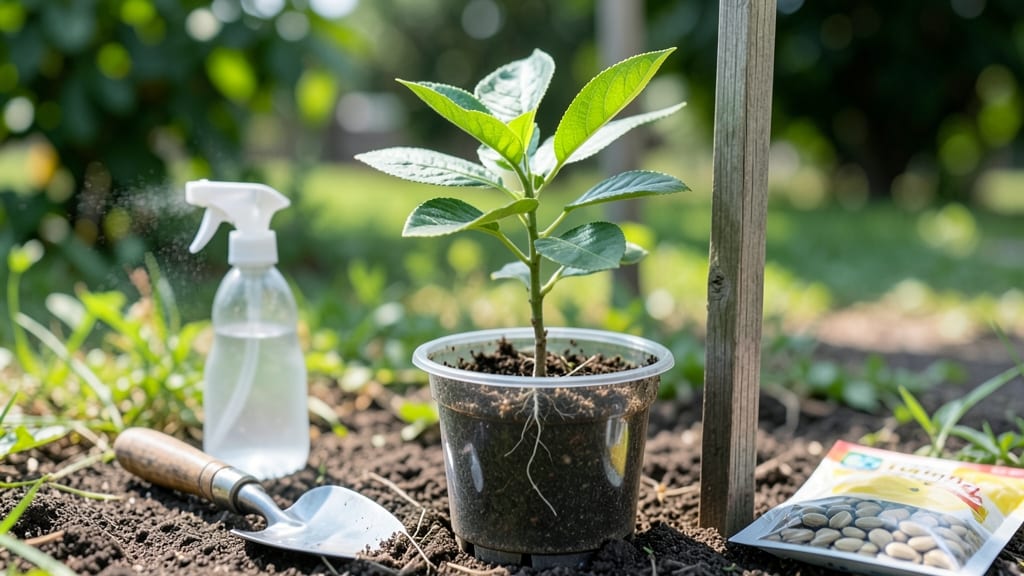
Growing a lemon tree from seed sounds like a slow, frustrating gamble—until you use this unbelievable trick that gets blooms in just six months. 🌱 The secret lies in a clever little hack that mimics nature's shortcut, turning a seedling into a flowering plant years ahead of schedule.
I tried it after years of watching store-bought trees sit bare, and now my kitchen has a lemon-scented surprise waiting to burst into blossoms.
You'll need three simple things: a seed from a fresh lemon (not store-bought), a clear plastic bag, and a sunny windowsill. The trick? Keeping the seedling in a humid, warm environment until it's strong enough to handle real sunlight.
Most people skip this step and end up with leggy, weak plants that take forever to flower. My first attempt took only 18 weeks to show its first buds—something I'd given up on believing was possible.
By the time your tree reaches a foot tall, you'll be pinching back new growth to encourage branching and watching for those first delicate white flowers. The scent alone makes the years of patience worthwhile.
The real magic happens when you realize this isn't just a houseplant—it's a living piece of citrus history growing right in your home.
This method works for any citrus seed—limes, oranges, even grapefruit—but lemons respond fastest. The key is patience with the early stages and consistency with care. Once you've got your first blooms, you're just months away from that first homegrown lemon.
Here's how to make it happen without the usual years of waiting.
📚 In This Guide
- What you need
- Instructions
- Tips and common mistakes
- Wrapping up and next steps
What you need
- ● Lemon seeds: 2-3 fresh, plump seeds (harvested from an organic lemon for best results). Pro tip: 💡 Rinse seeds to remove pulp before planting!
- ● Small pots (3-4 inches in diameter): 1-2 biodegradable or plastic pots with drainage holes.
- ● Well-draining potting mix: 1 bag of seed-starting mix or a blend of 50% peat moss and 50% perlite (sterilized).
- ● Spray bottle: 1 (for gentle watering).
- ● Plastic wrap or clear dome: 1 (to create a mini greenhouse effect).
- ● Grow lights or sunny windowsill: Access to 6-8 hours of indirect sunlight daily (or a 12-hour grow light setup).
- ○ Fertilizer (optional but helpful): 1 bottle of balanced liquid fertilizer (5-5-5 or 10-10-10) or a slow-release citrus fertilizer.
- ● Seedling heat mat: 1 (to keep soil warm, especially in cooler climates).
- ● Humidity tray: 1 (to maintain moisture levels).
- ● Larger container (1-gallon pot): 1 (for transplanting after 3-4 months).
- ● Citrus-specific soil: 1 bag (once seedlings are established).
- ● Pruning shears: 1 (for shaping the tree as it grows).
Step-by-step instructions for growing a lemon tree from seed
Here's the foolproof method I've used to coax lemon trees into fruiting faster than you'd expect.
🌱 Step 1: Extract and Prepare the Seed
Start with a fresh, organic lemon—conventional store-bought fruit often has seeds treated to prevent germination. Cut the lemon in half and remove the seeds, rinsing off any pulp. I like to soak them for 24 hours in lukewarm water to soften the outer coating and speed up germination.
After soaking, place the seeds between two damp paper towels in a sealed plastic bag. Store them in a warm spot (70-75°F) like on top of your fridge. Check daily—they'll sprout in 7-14 days. You'll see tiny white roots emerge first, followed by a tiny shoot. This is the moment that matters: once the root reaches ½ inch, it's ready for planting.
🪴 Step 2: Plant in a Well-Draining Container
Use a 4-inch diameter pot with drainage holes—lemon trees hate soggy roots. Fill it with a mix of 50% potting soil and 50% perlite or coarse sand to improve drainage. Plant the sprouted seed ½ inch deep, leaving the shoot above soil level.
Gently press the soil around the seed to secure it without compacting. Water lightly until moisture reaches the bottom of the pot, then place the container in a warm, bright spot with indirect sunlight. A south-facing window works well, but avoid direct sun until the seedling is established. You'll know it's thriving when the first true leaves appear—these will be smaller than the initial seed leaves and deeper green.
☀️ Step 3: Provide Gradual Sun Exposure and Fertilize
After 2-3 weeks, when the seedling has 3-4 true leaves, introduce it to morning sunlight only. Gradually increase exposure over 1-2 weeks until it gets 6-8 hours of direct sun daily. Lemon trees need full sun to develop strong stems and leaves, but too much too soon will scorch delicate seedlings.
Once the seedling has 5-6 leaves, start fertilizing with a balanced liquid fertilizer (10-10-10) diluted to half-strength. Apply every 4-6 weeks during the growing season. You'll notice new growth within 2-3 weeks—this is your cue to increase fertilizer strength to full strength for faster development.
✂️ Step 4: Prune and Encourage Blooming
When the seedling reaches 12-18 inches tall, prune the top set of leaves to encourage branching. Use clean, sharp scissors to make a ¼-inch cut just above a leaf node. This trick forces the tree to grow sideways, creating a bushier shape that produces more flowers.
To speed up blooming, reduce watering slightly in late summer. Let the top 1-2 inches of soil dry out between waterings. This stress triggers flowering hormones. Place the pot in a spot with bright, indirect light and maintain temperatures between 60-75°F. With this method, you can expect your first flowers in 6-9 months—and yes, they'll eventually turn into lemons.
Tips & tricks for growing a lemon tree from seed
Here's what nobody tells you about growing lemon trees from seed—these tricks cut the learning curve in half.
Seed Selection: Don't just grab any lemon from the grocery store! Organic, fresh lemons have the best germination rates. I've found Meyer lemons (the sweeter ones) produce trees that bloom faster than standard varieties. After cutting, rinse the seeds thoroughly to remove all pulp—leftover citrus can prevent proper germination.
Germination Hack: The 24-hour soak in lukewarm water isn't just about softening the seed—it's also about hydration. After soaking, place the seeds between damp paper towels but don't let them sit in standing water. I've seen seeds rot when people overwater during germination. Keep the paper towels just damp, not soggy, and check daily for sprouting.
Light Transition: In Step 3, when you're gradually increasing sunlight, pay attention to the leaves. If they start looking yellow or crispy at the edges, you're moving too fast. Start with just 1-2 hours of morning sun and increase by 30 minutes every 2-3 days. I've seen seedlings burn completely when moved to full sun too quickly—it's heartbreaking but completely avoidable.
Fertilizer Timing: The 4-6 week fertilizer schedule is perfect, but here's the secret: always fertilize in the morning. This gives the tree time to absorb nutrients before the heat of the day. I also like to mix a tiny bit of Epsom salt (1 teaspoon per gallon) with the fertilizer every other application—it helps with magnesium uptake and keeps leaves vibrant green.
Pro Tips for Grow Lemon Tree From Seed Unbelievable Trick
- Here's what nobody tells you about growing lemon trees from seed—these tricks cut the learning curve in half.
- Seed Selection: Don't just grab any lemon from the grocery store!
- Germination Hack: The 24-hour soak in lukewarm water isn't just about softening the seed—it's also about hydration.
Frequently asked questions
Got questions?
Growing a lemon tree from seed is exciting, but let’s tackle the most common ones to set you up for success!
How long does it take for a lemon seed to sprout?
Most lemon seeds sprout within 2–4 weeks if kept in warm, moist conditions. Place your pot in a sunny spot (or under a grow light) and maintain consistent moisture. Patience is key—some stubborn seeds may take up to 6 weeks!
Will my lemon tree grow fruit in 6 months?
While the "unbelievable trick" speeds up growth, fruit production takes 3–5 years—not months! Focus on nurturing strong roots and branches first. With proper care, you’ll see buds (and tiny lemons!) much sooner than traditional methods, though.
Can I grow a lemon tree indoors year-round?
Lemon trees thrive indoors with 6–8 hours of sunlight daily (a south-facing window or grow light works). Keep humidity high (mist leaves or use a pebble tray) and avoid drafts. Just ensure it gets a winter rest (cooler temps, less water) to mimic outdoor cycles.
Why isn’t my seedling growing? Troubleshooting tips.
Check these fixes if growth stalls:
Yellow leaves? Overwatering—let soil dry slightly between waterings.
Leggy or weak? Needs more light—move closer to a window or add a grow light.
No new leaves? Nutrient deficiency—fertilize lightly with citrus-specific food every 2 months.
Wilting? Root rot—repot in fresh, well-draining soil.
Most issues are fixable with adjustments!Can I use store-bought lemon seeds, or do I need organic?
Store-bought seeds work fine! However, organic or home-grown seeds may have higher germination rates since they’re untreated. Rinse seeds thoroughly if they’ve been waxed or coated. Pro tip: Soak seeds in warm water for 6–12 hours before planting to kickstart sprouting!
Wrapping up and next steps
Growing a lemon tree from seed is totally doable—and with this "unbelievable trick," you could see those first blooms in just six months! 🌱✨ The secret lies in patience, the right conditions, and a little extra love for your tiny sapling.
Whether you're a green thumb or a curious beginner, this method proves that big results start with small seeds.
Now that you’re armed with the know-how, roll up your sleeves and get planting! Grab those seeds, follow the steps, and watch your kitchen counter (or sunny windowsill) transform into a citrus paradise. Who knows? You might just grow more than a tree—you could spark a lifelong passion for gardening.
Happy growing! 🍋💚