
Propagation
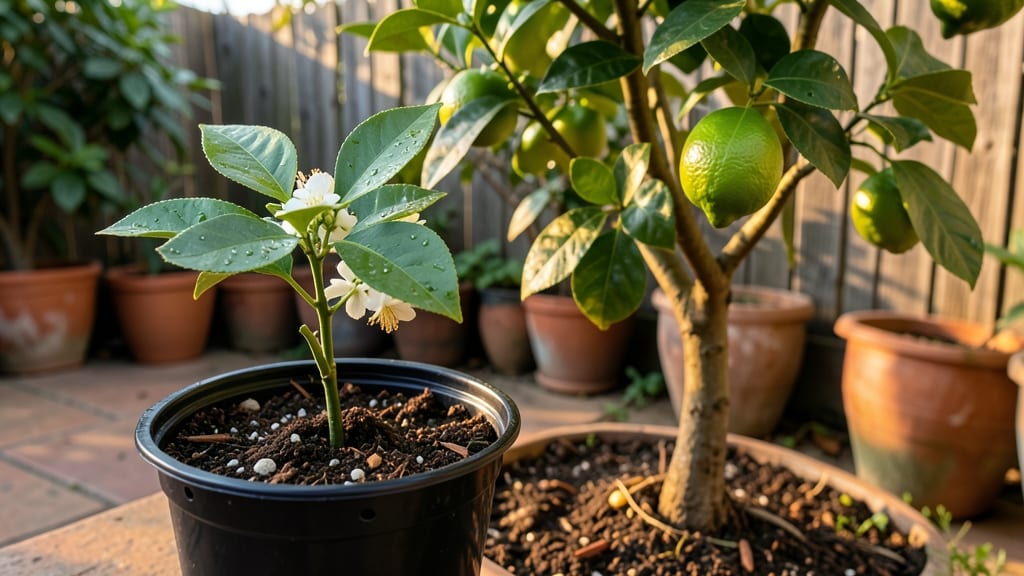
Growing a lemon tree from seed to fruit is a 5-year love letter to patience that rewards you with zesty sunshine in your kitchen. 🌱 The first green shoot feels like magic—then comes the wait, the pruning, the occasional pest battle, and finally, that first tiny lemon.
I’ve grown three from seed, and each one taught me something new about nurturing life from almost nothing.
Here’s the thing—it’s not about rushing. Your seedling will take 2-3 years just to look like a real tree, let alone fruit.
But the process is where the joy hides: watching roots tangle through nursery pots, fingers stained green from repotting, the first white blossoms that smell sweeter than any grocery store citrus. You’ll need sunlight, the right soil mix, and a little stubbornness when the leaves yellow or pests show up.
By year four, you’ll be harvesting tiny, tart lemons—enough for a single glass of lemonade, maybe a garnish. But the real victory isn’t the fruit; it’s the tree itself, now a permanent part of your home’s story.
It’ll keep giving for decades if you keep it happy, and every lemon becomes a reminder of how good slow gardening feels.
This guide covers every step—from soaking your seed to dealing with mites—so you can skip the guesswork. The key is consistency: water when the top inch of soil dries, prune to shape (not just size), and never fear the slow parts.
Your kitchen’s citrus future starts with one tiny seed and a lot of time. Let’s get those roots growing.
📚 In This Guide
- What you need
- Instructions
- Tips and common mistakes
- Wrapping up and next steps
What you need
- ● Lemon seeds: 3–5 fresh, plump seeds from a ripe, organic lemon (avoid hybrid lemons like Meyer if you want true lemons).
- ● Seed-starting mix: 1–2 cups of sterile, well-draining potting soil (look for a mix labeled for seeds or seedlings).
- ● Small pots or seed trays: 2–4 biodegradable pots (2–3 inches wide) or a seed tray with individual cells.
- ● Grow lights or sunny windowsill: A south-facing window with 6+ hours of sunlight daily or a 12–16 hour grow light (LED or fluorescent).
- ● Spray bottle: For gentle watering (avoid over-saturating seeds).
- ○ Plastic wrap or humidity dome: To create a mini greenhouse effect (optional but helpful for germination).
- ● Larger pot (1–2 gallons): For transplanting once seedlings sprout (ensure drainage holes!).
- ● Well-draining potting soil: A mix of 50% potting soil and 50% perlite or sand for mature trees.
- ● Fertilizer: A balanced, water-soluble fertilizer (e.g., 10-10-10) or organic options like fish emulsion or compost tea.
- ● Pruning shears: For shaping the tree as it grows (sterilize with rubbing alcohol).
- ● Seedling heat mat: Speeds up germination if your home is chilly (70–80°F ideal).
- ● pH test kit: Ensures soil pH is between 6.0–7.0 (lemons prefer slightly acidic soil).
- ● Epsom salt: A magnesium boost (1 tsp per gallon of water monthly) for lush foliage.
- ● Citrus-specific fertilizer: Higher in nitrogen (e.g., 8-3-9) once the tree is established.
- ● Support stake or trellis: For young trees to prevent bending as they grow taller.
- ● Humidifier or pebble tray: Maintains moisture if your home is dry (especially in winter).
How to grow a lemon tree from seed to fruit
Here's the straightforward method I've used to grow healthy lemon trees that produce fruit—no green thumb required.
🌱 Step 1: Extract and Prepare the Seed
Start with a fresh, organic lemon—conventional ones are often treated to prevent sprouting. Cut the lemon in half and remove all the seeds, placing them on a paper towel to dry for 24 hours. This prevents rot when you plant them later. I like to lay the seeds on a clean surface and let them air-dry completely.
Once dry, place the seeds between two damp paper towels in a sealed plastic bag. Store them in a warm spot (70-75°F) and check daily. You'll see tiny white roots emerge in 7-14 days. This is your signal that germination has begun—don't let the towels dry out, but don't soak them either.
🪴 Step 2: Plant Germinated Seeds in Soil
Fill a 4-inch pot with well-draining potting mix (I use a blend of 60% potting soil, 30% perlite, and 10% compost). Plant each seed ½ inch deep, spacing them 2 inches apart. Gently press the soil around the seeds to ensure good contact but don't compact it too tightly.
Water lightly until the soil is moist but not soggy. Place the pot in a bright, indirect light spot—like a south-facing window—and keep the soil consistently moist. You'll see first true leaves in 2-3 weeks. This is when the real growth begins, so keep an eye out for signs of yellowing or wilting, which means the soil is either too dry or too wet.
☀️ Step 3: Transplant and Provide Full Sun
Once the seedlings reach 6 inches tall and have 4-5 true leaves, it's time to transplant them into 6-inch pots. Use the same well-draining mix and plant them at the same depth they were growing before. This prevents stem rot and encourages strong root development.
Move the pots to a location with full sun (6+ hours daily). If you're growing indoors, a grow light positioned 4-6 inches above the plants will work. You'll notice the leaves darken and the stems thicken as they adapt to more light. This is a good sign—they're getting stronger and ready for their next growth phase.
💧 Step 4: Care for the Tree Through Growth
Water the tree when the top inch of soil feels dry to the touch. Lemon trees are drought-tolerant once established, so it's better to underwater slightly than to overwater. I like to water deeply but infrequently—about once a week in summer and every 2 weeks in winter.
Fertilize every 2 months with a balanced citrus fertilizer (like 6-6-6) during the growing season (spring and summer). You'll see new growth and larger leaves as a response. Prune any leggy or weak branches to encourage a bushier shape. This keeps the tree compact and healthy, which is key for fruit production.
⏰ Step 5: Encourage Flowering and Fruit Production
Lemon trees need cool nights (50-55°F) to trigger flowering. If you live in a warm climate, you can mimic this by moving the tree outside at night during spring or fall. Once flowers appear, hand-pollinate them with a small brush to ensure fruit sets. You'll know it's working when you see tiny lemons forming in 3-4 months.
Be patient—it can take 3-5 years for a seed-grown lemon tree to produce fruit. But once it does, you'll have a year-round citrus promise right in your kitchen. Keep the tree healthy, and it will reward you with lemons for decades.
Tips & tricks for growing a lemon tree from seed to fruit
Here's what I wish I knew before starting my own lemon tree journey—these little details make all the difference.
Germination Secrets: The 24-hour drying period for seeds is non-negotiable—this prevents rot and gives you a much higher germination rate. I've tried skipping it, and seeds just mold instead of sprouting. Once you see those first roots in 7-14 days, keep the paper towels damp but never soggy. Too much moisture causes rot, while too little stops germination completely.
Lighting Strategy: During the first 2-3 weeks when you're waiting for true leaves, bright indirect light is crucial. A south-facing window works, but if your space is dim, add a simple LED grow light for 12 hours daily. I've seen seedlings stretch toward weak light and become leggy—this makes them weak and prone to falling over.
Transplanting Timing: Wait until your seedlings are 6 inches tall with 4-5 true leaves before transplanting to 6-inch pots. This size ensures strong enough roots to handle the move. I've made the mistake of transplanting too early, and the seedlings just wilted—they need that root system to support themselves. Also, keep the same planting depth to prevent stem rot.
Fertilizer Frequency: The 2-month fertilizer schedule during growing season is perfect for balanced growth. I've seen people over-fertilize and get burned leaves, so stick to the 6-6-6 balanced formula. In winter, skip fertilizing entirely—the tree needs to rest. And always water before fertilizing to prevent root burn.
Pro Tips for Lemon From Seed To Fruit
- Here's what I wish I knew before starting my own lemon tree journey—these little details make all the difference.
- Germination Secrets: The 24-hour drying period for seeds is non-negotiable—this prevents rot and gives you a much higher germination rate.
- Lighting Strategy: During the first 2-3 weeks when you're waiting for true leaves, bright indirect light is crucial.
Frequently asked questions
Got questions about growing lemons from seed? You’re not alone! Here are some of the most common concerns—and their answers—to help you navigate your citrus journey with confidence.
How long does it take for a lemon seed to sprout?
A lemon seed typically sprouts within 2–4 weeks after planting, depending on warmth and moisture. Keep the soil consistently damp (not soggy) and place the pot in a warm, sunny spot. Patience is key—some seeds take up to 6 weeks to crack open!
When will my lemon tree produce fruit?
If you’re dreaming of homegrown lemons, brace for a long wait! Seed-grown trees usually take 3–5 years to bear fruit (if they’re lucky). For faster results, consider grafting a citrus variety onto your seedling or buying a young grafted tree from a nursery.
Can I grow a lemon tree indoors?
Lemon trees thrive indoors with 6+ hours of bright light daily (south-facing window or grow lights). Use a well-draining pot, water when the top inch of soil is dry, and fertilize monthly during growing seasons. Just watch for pests like spider mites—mist leaves occasionally to keep them happy!
Why aren’t my lemon tree leaves turning green?
Yellow or pale leaves often signal nutrient deficiencies (like nitrogen or iron) or overwatering. Check your soil pH (lemons love 6.0–7.0) and adjust fertilization. If roots are soggy, repot in fresh, well-draining mix and reduce watering. A little Epsom salt (magnesium sulfate) can also give them a boost!
What if my lemon seed doesn’t germinate?
Don’t toss it yet! Some seeds need stratification (a cold period) or extra warmth. Try soaking the seed in warm water for 24 hours before replanting, or place the pot in a 70–80°F spot (like near a heater). If all else fails, save the seed for later—citrus seeds can stay viable for months!
Wrapping up and next steps
Growing a lemon tree from seed to fruit is a rewarding journey that brings fresh, homegrown citrus straight to your kitchen! 🌱 With patience, care, and the right techniques—like proper soil, sunlight, and occasional pruning—you’ll enjoy the sweet taste of success.
Whether you’re a gardening newbie or a seasoned green thumb, every lemon harvested is a testament to your dedication.
Ready to take the next step? Share your progress with fellow gardeners, experiment with different varieties, or even gift a sapling to a friend! Your citrus adventure doesn’t end here—keep nurturing that tree, and soon, you’ll be squeezing lemons year-round. 🍋✨