
Lawn
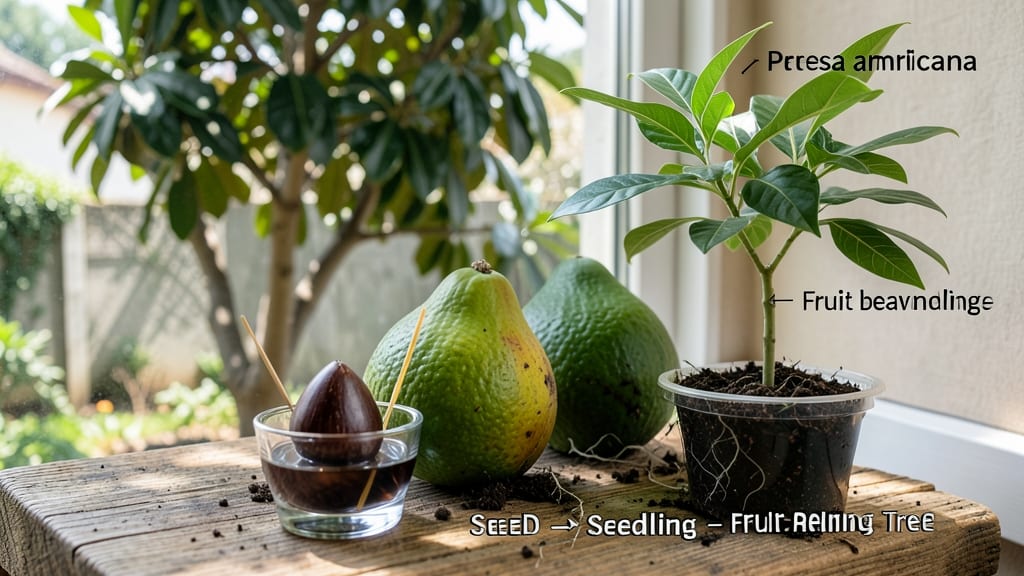
Growing an avocado tree from seed to fruit is one of those rare gardening wins that feels like magic—especially when you're snacking on guac and suddenly realize you could grow that pit into a tree. 🌱 The journey from kitchen scrap to fruit-bearing plant takes patience, but the first green shoot emerging from that pit is worth every week of waiting.
Most people quit after germination, but the real challenge—and reward—comes in the next 12 months. You'll need a sunny spot, consistent watering, and a little trick with toothpicks to keep that pit balanced in water.
The first leaves appear in 2-4 weeks, but true growth kicks in when you transplant into soil, where roots can stretch properly.
By year two, your tree might surprise you with tiny flowers (yes, avocado trees do bloom indoors), and with luck, a tiny, inedible fruit by year three or four. The key is staying consistent—avocados grow slowly but reliably if you avoid overwatering or sudden temperature swings.
This works for containers or ground planting, though container trees stay smaller and fruit faster. Here’s how to keep yours thriving through every stage—no green thumb required.
📚 In This Guide
- What you need
- Instructions
- Tips and common mistakes
- Wrapping up and next steps
What you need
- ● Avocado pit: 1 fresh, organic avocado seed (preferably Hass variety for best results).
- ● Toothpicks or small skewers: 3-4 (to suspend the seed for rooting).
- ● Glass or jar: 1 (8–16 oz) with water to cover ~½ inch of the seed.
- ● Well-draining potting mix: 1 bag (cactus/succulent mix or a blend of peat, perlite, and sand).
- ● Small pot or container: 1 (4–6 inches in diameter) with drainage holes.
- ● Spray bottle: 1 (for gentle watering).
- ● Humidity dome or plastic wrap: 1 (to retain moisture during early growth).
- ● Fertilizer: 1 (balanced, water-soluble, like 10-10-10 or organic options like fish emulsion).
- ● Grow lights (LED or fluorescent) for indoor seedlings.
- ● pH testing kit (to monitor soil acidity, ideal range: 6.0–7.0).
- ● Rooting hormone (to speed up root development).
- ● Larger pot (10+ inches) for transplanting after 6–12 months.
- ● Mulch (like bark chips) to retain soil moisture.
Step-by-Step instructions for growing avocado trees from seed
Turn that avocado pit into a thriving tree with these simple, proven steps.
🌱 Step 1: Prepare the Seed for Planting
Start by cleaning the avocado seed thoroughly—scrub off any remaining fruit flesh with warm water and a soft brush. Here's the thing—this seed has a thick outer shell, and we need to bypass it to encourage roots. Use three toothpicks to suspend the seed over a small glass of water, with the wider end submerged just enough to touch the surface. The toothpicks should hold it at a slight angle.
Place the glass in a warm spot (around 70-75°F) with bright, indirect light. You'll see roots emerge from the bottom within 2-6 weeks. Keep the water level constant—never let the seed dry out or sit fully submerged. Once roots reach 2-3 inches, it's ready for the next step. I know it seems slow, but patience here prevents rot and gives strong roots.
🪴 Step 2: Plant the Rooted Seed in Soil
Fill a 6-inch diameter pot with well-draining potting mix—avoid garden soil, which compacts and suffocates roots. Create a small hole in the center and gently place the rooted seed so that half of it remains above soil level. This exposed portion helps prevent rot while new roots establish.
Press the soil lightly around the seed to secure it, then water thoroughly until moisture drains from the bottom. Place the pot in bright, indirect light (a south-facing window works best) and keep the soil consistently moist but never soggy. You'll notice first true leaves appear within 4-8 weeks—this is your signal that the seedling is thriving.
☀️ Step 3: Provide Optimal Light and Care
After the first leaves emerge, move the seedling to bright, direct light for 4-6 hours daily. A grow light works well if natural light is insufficient. Rotate the pot a quarter turn weekly to ensure even growth. Watch for leggy stems—this means more light is needed. Strong seedlings have thick stems and dark green leaves with short spacing between nodes.
Water when the top inch of soil feels dry. Overwatering is the fastest way to kill a young avocado tree—yellowing leaves or wilting signal you're watering too much. Fertilize lightly with a balanced liquid fertilizer (10-10-10) every 4-6 weeks once the plant reaches 12 inches tall. Real talk: Avocado trees are slow growers, so don't rush it.
✂️ Step 4: Prune and Transplant for Long-Term Growth
When your avocado tree reaches 18-24 inches tall, it’s time to prune. Use clean scissors to trim 1-2 inches from the top to encourage bushier growth. Remove any yellow or damaged leaves immediately—they drain energy. Transplant to a 12-inch pot with fresh potting mix if roots are circling the bottom of the current container.
Outdoor growers can move the tree outside after the last frost, but keep it in partial shade for the first week. Gradually introduce it to full sun over 2-3 weeks. Avocado trees need 6-8 hours of sunlight daily to thrive. Here's the moment that matters: If you see flower buds after 3-5 years, your tree is ready for pollination—though fruiting takes patience and often requires a second tree for cross-pollination.
Tips & tricks for growing avocado trees from seed
Turning your avocado pit into a tree takes patience—but these tricks will help you avoid the most common pitfalls along the way.
Root Development: In Step 1, when you're waiting for those first roots to appear, don't be tempted to submerge the seed completely—just the wider end should touch the water. I've seen too many seeds rot because they sat fully submerged. The toothpick method keeps the seed stable while allowing just enough moisture to encourage root growth without drowning it.
Soil Selection: For Step 2, skip the garden soil! Avocado roots need excellent drainage, so use a mix specifically formulated for potting plants. I've had the best success with a blend that includes perlite or vermiculite—this prevents the dreaded root rot that can kill your seedling before it even gets started.
Light Transition: The move from indirect to direct light in Step 3 is critical. When your seedling gets its first true leaves, gradually introduce it to more sunlight over 3-4 days. Sudden exposure can scorch delicate leaves. I start with just 2 hours of direct light on the first day, then increase by 1 hour each subsequent day until reaching the full 4-6 hours.
Fertilizer Timing: Wait until your tree reaches 12 inches tall before fertilizing—this prevents burning tender new roots. When you do start, use a diluted solution (half-strength) of that 10-10-10 fertilizer. I've learned the hard way that avocado trees are sensitive to salt buildup, so always flush the soil with water after fertilizing to remove excess minerals.
Pro Tips for Avocado Tree Seed To Fruit
- Turning your avocado pit into a tree takes patience—but these tricks will help you avoid the most common pitfalls along the way.
- Root Development: In Step 1, when you're waiting for those first roots to appear, don't be tempted to submerge the seed completely—just the wider end should touch the water.
- Soil Selection: For Step 2, skip the garden soil!
Frequently asked questions
Got questions about growing an avocado tree from seed? You’re not alone! Here are answers to the most common queries to help you succeed—no green thumb required.
How long does it really take for an avocado seed to sprout?
Patience is key! Most avocado seeds sprout within 2–6 weeks when kept in warm, moist conditions. If nothing happens after 8 weeks, gently check for rot—your seed might need a fresh start. Keep the toothpick method in mind; it speeds up root growth by providing stability and airflow.
Can I grow an avocado tree indoors, or does it need outdoor sunlight?
Yes! Start indoors near a sunny window (6+ hours/day) or under grow lights. Once your tree is 1–2 feet tall, transition it outdoors gradually to avoid shock. Full sun (6+ hours) is ideal for fruiting, but young trees can handle partial shade. Just avoid frost—avocados are tropical divas!
Will my avocado tree actually produce fruit, or is it just for decoration?
While store-bought avocado seeds are less likely to fruit (they’re often hybridized for taste), homegrown trees can produce fruit in 3–13 years with proper care. For faster results, try grafting a fruiting variety onto your seedling. Patience pays off—literally!
My avocado seed is moldy or smelly—what do I do?
Don’t panic! Overwatering or poor airflow causes rot. If your seed is mushy or smells funky, remove it from water and let it dry for a day. Trim any moldy parts with sterilized scissors, then replant in fresh water or a well-draining soil mix. Prevention tip: Change the water every 2–3 days and use a small fan nearby for circulation.
Can I plant the seed directly in soil instead of water?
Some gardeners skip the water phase and plant the seed half-buried in moist potting mix near a sunny window. Keep the soil consistently damp (not soggy) and cover with plastic wrap to retain humidity. This method can work faster for some seeds, but monitor for rot. Pro tip: Add perlite to the soil for better drainage!
Wrapping up and next steps
Growing an avocado tree from seed is a rewarding journey that connects you to nature while offering a taste of success—literally! 🌱 From sprouting your seed to nurturing a thriving plant, you’ve learned patience, care, and the magic of transformation.
Now that you’re armed with the right materials and answers, there’s no better time to take action.
Ready to grow? Start today:
- Pick that avocado pit from your snack stash and turn it into a tree!
- Share your progress with fellow plant lovers—every gardener loves a success story!