
Watering
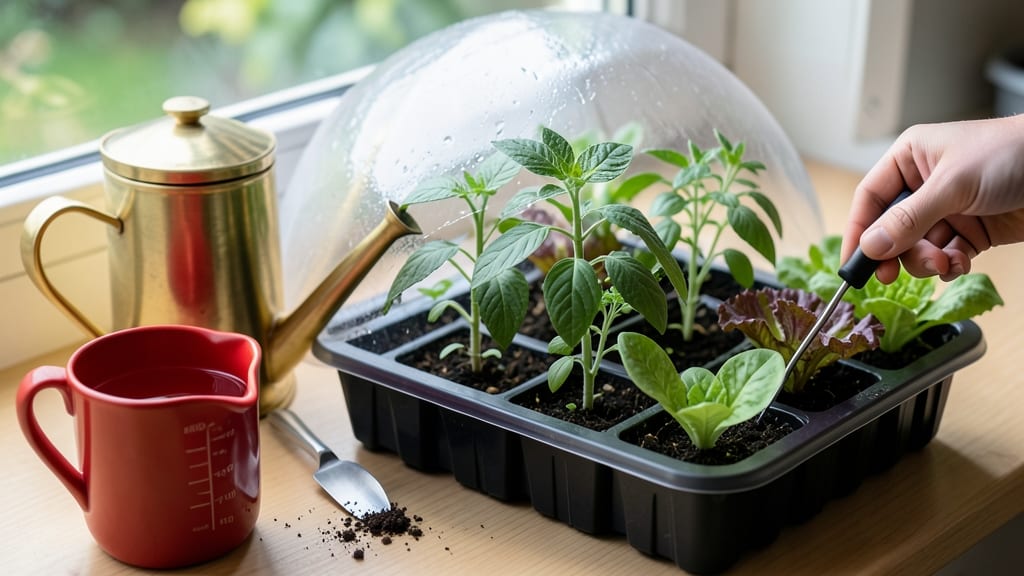
Watering seed starts too often drowns their roots, while skipping it stalls growth—so how often to water seed starts is the difference between thriving 🌱 and throwing in the trowel.
Most gardeners swing between two extremes: either drowning seedlings in "just in case" water or letting them dry out like forgotten homework. The truth? A simple 3-day rule keeps roots happy without guessing.
Here’s the secret: soil that’s moist but not soggy is the sweet spot. I’ll show you how to check it with just your fingers, which plants need extra hydration (hint: herbs vs. veggies aren’t the same), and when to adjust for humidity or heat.
Skip the trial-and-error—master this once, and your seedlings will thank you with strong roots and zero wilting drama.
The 3-Day watering rule explained: when and how to water seed starts
The 3-Day Watering Rule is a gardener’s secret weapon for nurturing healthy seed starts. Unlike mature plants, seedlings have delicate root systems that need consistent moisture—but not too much. This rule helps you strike the perfect balance by focusing on soil conditions rather than guesswork.
By waiting 3 days between waterings, you give roots time to establish while preventing soggy soil that suffocates growth.
Think of it like training for a marathon: you wouldn’t overhydrate before a run, but you also wouldn’t skip fluids entirely. Seedlings need that same careful approach. The rule works because it aligns with how root development stages progress.
After germination, roots grow rapidly but need time to strengthen. Watering every 3 days mimics natural rainfall patterns while allowing oxygen to reach roots—critical for preventing root rot.
Here’s the science: most seed-starting mixes retain moisture for about 3 days when kept in stable conditions (65-75°F). After that, the top inch of soil dries out enough to signal it’s time to water again.
This prevents both overwatering (which causes mold and fungal diseases) and underwatering (which leads to stunted growth). The key is checking soil moisture, not just following a schedule blindly.
🌱 Visual Cues to Check Before Watering:
- Soil Color: Dark brown or black at the surface means it’s dry. Lighter, damp-looking soil means wait.
- Texture: Crumbly soil at the top inch is dry; sticky or clumping soil is still moist.
- Weight: Lift your tray—heavy soil holds moisture; lightweight soil needs water.
To apply the 3-Day Rule, start by watering your seed starts thoroughly until water runs out the drainage holes. Then, wait until the top 1 inch of soil feels dry to water again. Use your finger to check—if it’s damp past the first knuckle, hold off.
This method works for most vegetable seedlings, herbs, and flowers, but tropical plants like peppers may need slightly more frequent watering.
Environmental factors like humidity and temperature can tweak this rule. In dry indoor air (common with heaters in winter), you might need to water every 2 days. If your seedlings are under a humidity dome, extend to 4 days.
Always water in the morning to let foliage dry before evening, reducing fungal risks. Avoid evening watering—it’s a common mistake that invites damping-off disease.
Pro tip: Group seedlings by type in trays to streamline care. For example, leafy greens like lettuce dry out faster than root crops like carrots. Use separate trays for each type to adjust watering schedules precisely.
This precision pays off when seedlings develop strong, fibrous roots ready for transplanting. Overwatering at this stage is the #1 killer—roots need oxygen to grow!
Watch for these red flags that your watering schedule needs adjustment:
- Yellowing leaves = Overwatering (check for mold).
- Wilting despite moist soil = Underwatering or poor drainage.
- Slow growth = Inconsistent moisture or weak roots.
Mastering the 3-Day Rule transforms guesswork into confidence. Your seedlings will grow with vigorous roots and sturdy stems, ready to thrive when transplanted. The secret? Trust your soil—not the calendar. Once you see those roots branching out, you’ll know you’ve cracked the code! 🌱
Common mistakes that kill seed starts (and how to fix them)
Even the most eager gardeners accidentally turn their seed trays into root suffocation zones. The biggest culprit? Overwatering—which isn’t just about adding too much water, but also about drowning roots in poorly draining soil or using humidity trays incorrectly.
I’ve lost count of how many seedlings I’ve seen collapse from what looks like “good intentions” on watering schedules.
Here’s the hard truth: Yellowing leaves and mushy stems aren’t just wilting—they’re drowning signals. And the fix isn’t always “water less.” Sometimes, it’s about fixing drainage or adjusting humidity levels. Let’s troubleshoot the most common killers and save your seedlings before they hit the compost pile.
⚠️ Watering Seed Starts Wrong
How often to water seed starts depends on soil moisture, not a calendar. Most gardeners fail because they:
- Water on a schedule instead of checking soil (daily watering = root rot risk)
- Use tap water too cold (shock roots; let it sit 24 hours)
- Ignore humidity trays (they trap moisture but can suffocate roots if overused)
Fix it: Stick your finger 1 inch deep—if it’s dry, water gently. If wet, wait 3 days or use a fan to dry the top layer.
Let’s start with the wilting test. If your seedlings look sad but the soil is damp, you’re likely underwatering. But if the soil feels like a sponge and the stems are mushy, you’ve overwatered.
The fix? For underwatering, water slowly until moisture reaches 2 inches deep. For overwatering, stop watering entirely for 24–48 hours and repot into fresh, well-draining mix.
Humidity trays are another double-edged sword. They create the perfect greenhouse microclimate for germination, but if left too long, they turn into mold incubators. I’ve seen entire trays of seedlings develop black mold because someone kept them in a sealed tray for over a week.
The rule? Use humidity trays only until sprouts appear, then remove them and switch to bottom-watering to avoid fungal diseases.
Don’t overlook the light-water connection. Seedlings under weak grow lights or far from windows stretch toward light, but their roots don’t grow to support them. This makes them extra sensitive to water stress.
If your seedlings are leggy, move them closer to light and reduce watering slightly—they’ll drink less if they’re not growing fast.
Here’s your quick-fix checklist for seedling emergencies:
- 🟢 Wilting + dry soil → Water deeply until it drains from the bottom
- 🟡 Wilting + damp soil → Stop watering, improve drainage, and add a fan for airflow
- 🔴 Yellow leaves + mold → Remove affected seedlings, repot in fresh mix, and avoid humidity trays
Most seedling deaths aren’t from bad luck—they’re from small mistakes we can fix with a little attention. Start with these fixes, and your seedlings will grow stronger than ever.