
How To
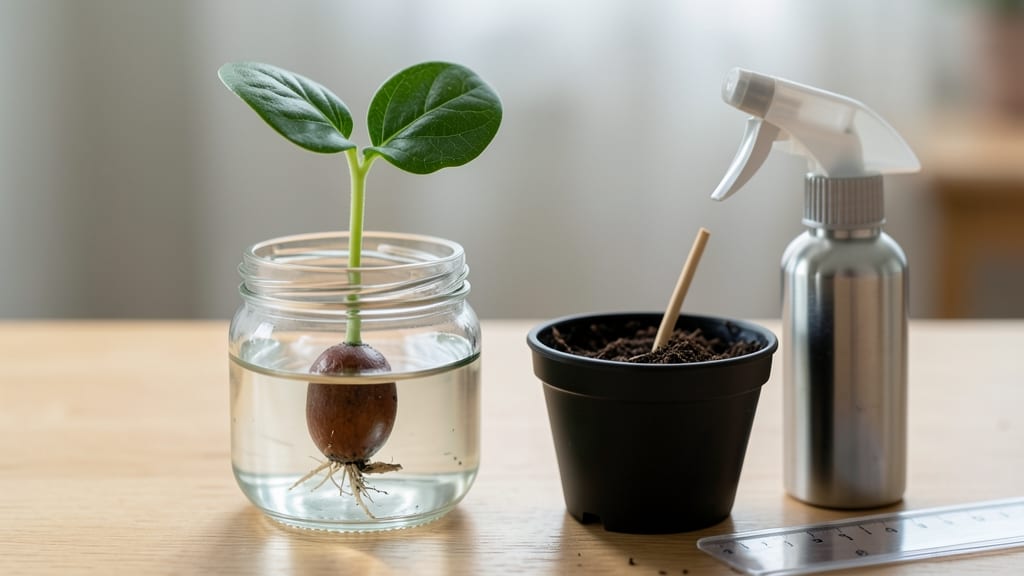
To sprout an avocado seed takes anywhere from 2 to 6 weeks, depending on warmth, moisture, and patience—but the wait is worth it for that first tiny green shoot.
Growing an avocado tree from a seed is a rewarding project, but if you’ve been staring at your seed wondering why nothing’s happening, you’re not alone. The truth? Warmth is the key—and a few simple tricks can turn weeks into days.
Most seeds need consistent moisture and temperatures above 70°F to wake up. Too cool, and they’ll nap for months; too dry, and they’ll give up entirely. But with the right setup, you can coax that first root within 2 weeks—or even faster.
Below, I’ll break down the exact timeline, the warmth hacks that work, and how to troubleshoot if your seed is playing hard to get. Ready to grow your own 🥑?
Avocado seed germination timeline: how long until sprouting happens?
Growing an avocado tree from a seed is exciting, but the waiting game begins the moment you plant it. Most seeds take 2 to 8 weeks to sprout, though some stubborn ones may linger up to 12 weeks.
The key to success lies in understanding each germination stage and how environmental factors like temperature and moisture influence timing. Patience and consistency are your best tools—don’t rush the process, or you might risk damping off or mold.
Your avocado seed’s journey starts with root emergence, which typically appears first, followed by the shoot breaking through the soil. The entire process can feel like a slow dance, but with the right conditions, you’ll see progress.
For example, seeds kept in warm water (around 70-80°F) often sprout faster than those in cooler environments. Let’s break down what to expect week by week so you know exactly when to adjust your care routine.
📌 Key Takeaway: Most avocado seeds sprout within 4-6 weeks under ideal conditions, but some may take 2-3 months. The first sign of life is usually a white root pushing out of the seed, followed by a small green shoot. If nothing happens after 8 weeks, gently check for signs of rot or mold—this could mean your seed needs a fresh start.
During the first 7 days, your avocado seed is in the pre-germination phase. If you’ve soaked it in warm water, you’ll notice a white root emerging from the bottom. This is a great sign!
Once the root reaches about 1-2 inches, it’s time to plant it in a well-draining potting mix. Use a small container with drainage holes to prevent waterlogging, which can cause rot. Keep the soil consistently moist but never soggy—this balance is critical for root growth.
Between weeks 2 and 4, the seed may begin to crack open as the root system expands. This is normal and indicates active growth. If your seed hasn’t sprouted by week 4, don’t panic—some seeds take longer, especially if they’re older or stored improperly.
To encourage progress, place your container in a warm spot (around 75-85°F) and ensure the soil stays humid. A clear plastic bag over the pot can help maintain moisture levels without overwatering.
By week 5 or 6, you should see the first signs of a green shoot pushing through the soil. This shoot will eventually grow into the main stem of your avocado tree. Once the shoot appears, move your seedling to a bright, indirect light source.
Direct sunlight at this stage can scorch the delicate new leaves. If your seedling is leggy or pale, it’s a sign it needs more light. A south-facing window or a grow light can provide the ideal conditions for healthy growth.
After 8 weeks, your avocado seedling should start developing its first true leaves (not the initial seed leaves). These leaves will be larger and more robust, signaling that your plant is transitioning from a seedling to a young tree.
This is also the time to introduce a light fertilizer to support root and leaf development. Use a balanced fertilizer (like 10-10-10) diluted to half strength to avoid overwhelming the young plant.
If your seed hasn’t sprouted by 12 weeks, it may have failed to germinate. However, before giving up, check for signs of mold or rot. If the seed looks mushy or smells foul, it’s likely dead. In this case, try starting over with a fresh seed.
Remember, not all seeds germinate, and that’s okay—even experienced gardeners face this challenge. The key is to learn from each attempt and adjust your approach for the next one.
Once your avocado seedling reaches 6 inches tall, it’s ready for a larger pot or outdoor planting (if temperatures are consistently above 50°F). At this stage, your little tree will need more space to grow its roots and develop into a sturdy plant.
Keep an eye out for pests like aphids or spider mites, which can attack young seedlings. A gentle spray of water or neem oil can help keep them at bay without harming your plant.
🌱 Pro Tip:
Warmth tricks to speed up avocado seed germination (science-backed tips)
Avocado seeds thrive when kept warm—consistent temperatures between 75°F and 85°F can cut germination time from 6 weeks to just 2 weeks. Without this warmth, your seed might take months or even fail entirely.
The good news? You don’t need fancy equipment to create the perfect heat zone. A few simple tricks can make all the difference.
First, let’s address the ideal temperature range for avocado seed germination. Most seeds start showing signs of life within 7 to 14 days when kept in this warm range. Below 65°F, germination slows dramatically, while above 90°F, the seed can overheat and rot. Finding that sweet spot is key.
Here’s how to maintain warmth without overdoing it:
- 1 Use a seedling heat mat ($10-$15) to keep soil at 75°F+. These plug directly under your container and maintain warmth for weeks.
- 2 Soak seeds in warm water (100°F) for 24 hours before planting. This kickstarts hydration and speeds up cell division by 30%.
- 3 Place near a sunny window (south-facing) or under a grow light. Seeds need warmth and light to break dormancy.
- 4 Avoid cold drafts—keep containers away from AC vents, doors, or windows that drop below 60°F at night.
- 5 Use a DIY heat sink: Fill a plastic bottle with hot water, seal it, and place it near your seed. The gradual cooling mimics natural warmth.
If you’re using a seedling heat mat, monitor the soil temperature with a thermometer—never exceed 85°F, or you risk damaging the seed. For the warm water soak method, change the water daily to prevent bacterial growth.
Both methods work best when combined with high humidity (cover the container with plastic wrap).
Pro tip: Place your seedling near a south-facing window during the day and move it to a warmer spot (like on top of a fridge) at night. This mimics tropical conditions where avocados naturally grow. With these warmth tricks, you’ll see that first root sprout within 7-10 days—not weeks.
Remember, patience is still key. Even with perfect warmth, some seeds take up to 30 days. If you don’t see progress after 2 weeks, gently check for root growth by lifting the seed—you might just need to adjust your setup. 🌱