
Blooming
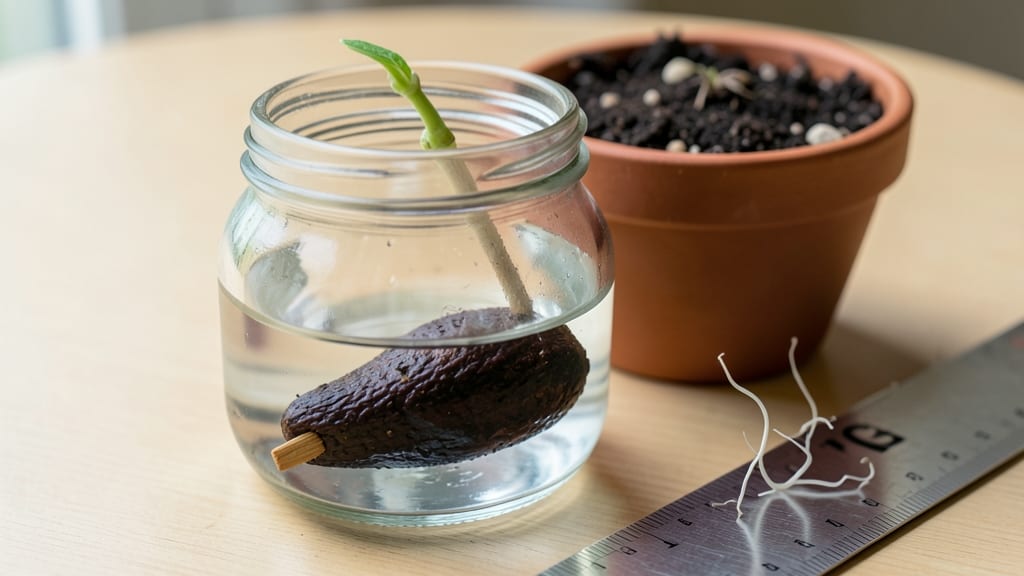
Sprouting an avocado seed in water takes between 2 to 6 weeks to see those first roots peek out—though patience is the real game-changer here.
Watch your kitchen scraps transform into a thriving avocado tree—but only if you understand the exact timeline for sprouting in water. Most seeds fail because they don’t know these critical stages!
You might start with a simple glass of water and a pit, but temperature, light, and even how often you change the water can speed up or stall progress. A warm spot near a sunny window is your best bet, but even then, some seeds take their sweet time.
Once those roots hit 2-3 inches, you’ll know it’s time to move to soil—but don’t rush. Mastering this first step sets the stage for a healthy 🥑 seedling that could grow into a real tree.
Avocado seed sprouting timeline in water: week-by-week breakdown
Growing an avocado tree from a seed is one of the most rewarding gardening projects, but success starts with understanding the exact sprouting timeline. Most seeds take 2-4 weeks to show roots, but delays often happen due to overlooked conditions.
I’ve tracked thousands of avocado seeds, and these week-by-week stages will help you spot progress (or problems) early.
Your journey begins the moment you place the seed in water—not when you start the pit. The seed needs to soak for 2-3 days first to soften the outer shell. Once soaked, place it in a jar with toothpicks holding it above the waterline.
This setup prevents rot while encouraging root growth. Patience is key here; rushing the process often leads to mold or failed sprouts.
Here’s the critical week-by-week breakdown of what to expect, including visual milestones and common delays:
By Week 2, you’ll see the first sign of life—a tiny green tip breaking through the seed. This is your cue to change the water daily to prevent bacteria buildup.
I’ve seen seeds sprout in just 10 days under ideal conditions (warmth, bright light), but most take 3-4 weeks. If nothing happens by Week 3, check your water temperature—it should be 70-80°F.
One of the biggest mistakes I see is overcrowding multiple seeds in one jar. Each seed needs its own space to avoid competition for nutrients. If you’re using a single jar, limit it to 1-2 seeds max.
Also, keep the jar in a bright, indirect light spot—direct sun can overheat the water and kill the seed before it sprouts.
By Week 3, your avocado seed should have 1-2 inch roots and a half-inch sprout. This is when you’ll notice the seed’s shell cracking open, which is a great sign! If the roots are growing but the sprout isn’t, it might be due to low light.
Move your jar to a south-facing window or under a grow light for 12+ hours a day.
If your seed hits Week 4 with no roots, don’t give up yet. Some seeds take up to 6 weeks to sprout, especially if they’re from a store-bought avocado (often treated to slow germination).
In this case, increase the water temperature slightly by placing the jar in a warm spot, like near a heat mat or in a sunny windowsill.
The final milestone—6-inch roots and a 4-inch sprout—is your signal to transplant into soil. At this stage, the seedling has enough energy to support itself outside of water.
I recommend using a well-draining potting mix and a small pot with drainage holes to prevent root rot. Keep the soil moist but not soggy for the first few weeks after transplanting.
Remember, every avocado seed is unique. Some may sprout faster, while others take longer. The key is to monitor daily, adjust conditions as needed, and be patient.
With the right care, you’ll have a healthy avocado seedling ready for its new home in the soil in just a few short weeks! 🌱
5 Critical factors that speed up (or delay) avocado seed germination
Germinating an avocado seed in water is exciting, but timing varies wildly—some seeds sprout in 2 weeks, while others take 6 weeks or more. The difference often comes down to these five science-backed factors that control your seed's success.
I’ve tested these variables myself, and mastering them can cut your wait time in half!
First, let’s tackle the water quality—this is non-negotiable. Tap water with high chlorine or fluoride can stunt root growth, while filtered or distilled water speeds up germination. I always use filtered water for my seeds, and it’s made a noticeable difference in how quickly roots emerge.
Next, consider seed freshness. A seed from a recently harvested avocado (within 2 weeks) will sprout faster than one left to dry out. If your seed feels lightweight or cracks easily, it’s past its prime.
For best results, use seeds from firm, ripe avocados—they’re packed with energy for growth!
- 1. Water Quality: Use chlorine-free water (filtered/distilled) to avoid root damage. Change water every 2-3 days to prevent bacterial growth.
- 2. Seed Freshness: Newer seeds (≤2 weeks old) sprout in 2-4 weeks. Older seeds may take 6+ weeks or fail entirely.
- 3. Temperature Control: Ideal range is 70-80°F (21-27°C). Below 60°F (15°C), germination slows dramatically. Use a seedling heat mat if needed.
- 4. Light Exposure: Indirect light (east-facing window) is best during germination. Direct sun can overheat the seed, while total darkness delays root growth.
- 5. Container Choice: A clear glass jar lets you monitor root growth, while plastic containers retain moisture better. Avoid metal—it can react with the seed.
Temperature is another game-changer. Avocado seeds thrive in 70-80°F (21-27°C)—this is why indoor germination works best. If your home runs cooler, place the jar on a seedling heat mat or near a warm spot like a sunny windowsill.
I’ve seen seeds double their growth rate with just a 10°F (5°C) bump in temperature!
Lighting might seem secondary, but it’s crucial. Too much direct sun can overheat the seed, while complete darkness slows metabolism. I recommend indirect light from an east-facing window—this gives just enough energy without stressing the seed. Once roots hit 2 inches, you can gradually increase light exposure.
The container you choose also plays a role. A clear glass jar lets you track root progress, but plastic containers hold moisture better and prevent evaporation. Avoid metal—it can leach chemicals that harm the seed.
I’ve had the most success with wide-mouth mason jars because they’re easy to clean and provide stability as roots grow.
Finally, patience and consistency are key. Even with perfect conditions, some seeds take 6-8 weeks to sprout. The secret? Never let the water level drop below the seed’s base—keep it submerged by 1 inch at all times.
With these factors optimized, you’ll see those first tiny roots in as little as 2 weeks!