
Planting
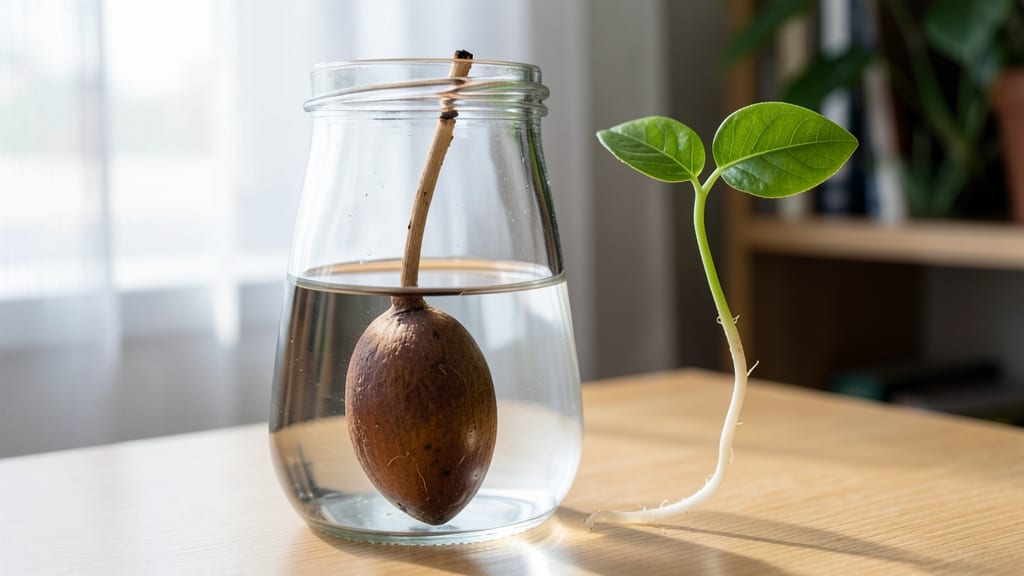
Planting a mango seed in water is the easiest way to grow a tropical houseplant from a grocery store snack. 🌱 The whole process takes just 2 weeks before roots appear—no soil, no fancy tools, just a glass and patience.
I started mine after eating a ripe mango, and now I’ve got a thriving little tree that’s ready for its first outdoor adventure next spring.
You’ll need three simple things: a fresh mango seed (the bigger, the better), a clean glass or jar, and tap water. That’s it—no special equipment, no expensive kits.
The key is keeping the water level just right: high enough to cover half the seed, but not so much that it drowns the seed. Change the water every 3-4 days to keep it fresh and prevent mold.
Within 10-14 days, you’ll spot tiny white roots sprouting from the bottom of the seed—proof you’re doing it right. Once the roots reach 2-3 inches, it’s time to transplant into soil.
The little seedling will grow fast, and before you know it, you’ll have a real mango plant that could one day bear fruit (though it might take years).
Here’s the secret to avoiding rot: never let the seed sit in stagnant water. A little mold or slow growth? Just rinse the roots and refresh the water.
If you keep it bright (but not in direct sun) and consistent, your mango seedling will thrive—even if it’s just a fun indoor project for now.
📚 In This Guide
- What you need
- Instructions
- Tips and common mistakes
- Wrapping up and next steps
What you need
- ● Mango seed: A fresh, firm seed from a ripe mango (avoid soft or moldy ones).
- ● Clear glass or jar: A clean, transparent container (8–12 oz) with a wide enough mouth to fit the seed comfortably.
- ● Water: Filtered or tap water (let it sit out for 24 hours to remove chlorine if using tap water).
- ● Paper towel or coffee filter: A small piece (2–3 inches square) to support the seed.
- ● Rubber band or string: To secure the paper towel in place.
- ● Small plate or saucer: To place under the glass to catch any spills.
- ● Pencil or chopstick: To prop open the glass lid (if needed) for airflow.
- ● Planting tray or pot: For transplanting once roots are 2–3 inches long.
- ● Potting soil: Well-draining, organic mix (e.g., coconut coir + perlite).
- ● Fertilizer (diluted): A mild, water-soluble fertilizer (e.g., fish emulsion) for later growth.
- ● Spray bottle: To mist the seedling and maintain humidity.
- ● Grow lights or sunny windowsill: A bright spot (6+ hours of indirect light daily).
Step-by-step instructions for growing a mango seed in water
Here's how to coax roots from a mango pit in just two weeks—no soil required.
🌱 Step 1: Prepare the Mango Seed
Start with a fresh, plump mango pit—avoid dried or cracked ones. Rinse it thoroughly to remove any fruit residue, then let it dry completely for 24 hours. This prevents mold from forming during the rooting process. I like to gently scrub the pit with a soft brush to remove any stubborn flesh clinging to the sides.
Place the pit between two paper towels and wrap it loosely. Store it in a sealed plastic bag in a warm spot (70-80°F). Check daily for moisture—keep the towels damp but not soggy. Within 1-2 weeks, you'll see a tiny sprout emerge from the pit's flat side. This is your signal the seed is ready for water propagation.
💧 Step 2: Set Up the Water Propagation Station
Fill a clear glass or jar with 2-3 inches of room-temperature water. The transparency lets you monitor root growth without disturbing the seed. I use a mason jar because it's stable and easy to clean, but any wide-mouth container works. Place the jar in a spot with bright, indirect light—direct sun can overheat the water and stress the seed.
Gently place the sprouted mango pit on top of the water, ensuring the flat side (where the sprout emerged) is facing down. The pit should float or rest just above the waterline. Change the water every 2-3 days to prevent bacterial growth. You'll see roots begin to form within 3-5 days, growing downward toward the water.
☀️ Step 3: Encourage Strong Root Development
Once roots reach 1-2 inches long, they'll start branching out. This is when the seedling begins to draw nutrients from the water. Keep the water level consistent—never let the roots dry out, but avoid submerging the pit completely. I like to use a small plate under the jar to catch any spills and maintain stability.
Rotate the jar a quarter turn daily to prevent roots from growing in one direction. You'll notice the roots darken and thicken over 2 weeks. At this stage, they should be 3-4 inches long with multiple branches. This means your seedling is ready for soil—but don't rush it. Wait until roots are at least 4 inches long for best transplant success.
🌿 Step 4: Transplant to Soil (When Ready)
When roots are robust and the sprout shows 2-3 true leaves, it's time to transition to soil. Fill a small pot (4-6 inches deep) with well-draining potting mix. Make a small hole in the center and gently place the seedling in, covering the roots but leaving the top half of the pit exposed.
Water lightly to settle the soil, then place the pot in a warm, sunny spot. Avoid direct sunlight for the first 3 days to reduce transplant shock. You'll see new growth within 1-2 weeks, signaling the seedling has adapted. Real talk: The first few weeks are critical—overwatering or cold drafts can kill young mango trees, so keep conditions stable.
⏰ Step 5: Maintain Growth and Patience
Mango trees grown from seed take 3-5 years to bear fruit, but the journey is worth it. Keep the soil lightly moist (never soggy) and fertilize monthly with a balanced liquid fertilizer during the growing season. You'll notice the seedling develop a thick stem and broad leaves—this is your mango tree maturing.
Here's the thing—don't expect a fruit tree right away. The first few years focus on establishing a strong root system and trunk. Once your tree reaches 6 feet tall, it can handle outdoor planting in warm climates. I know it's a long wait, but the reward of harvesting your own mangoes makes it all worthwhile.
Tips & tricks for growing mango roots in water
These simple tricks will help you avoid common pitfalls and maximize your mango seed's rooting success.
Seed Selection Tip: Choose the plumpest, firmest mango pit you can find—size matters! I've found that larger pits (about 2 inches long) tend to sprout more consistently. Tap it gently against your palm—if it sounds hollow or cracks easily, it won't grow well. The freshest pits come from mangoes that were recently refrigerated, not those sitting at room temperature for days.
Temperature Matters: That 70-80°F range during the 24-hour drying phase is critical. If your home runs cooler, place the sealed bag near a sunny window or under a desk lamp. Too cold, and mold becomes a risk; too hot, and the seed dries out too quickly. I've seen seeds fail when placed in drafty spots—keep it consistent! A small thermometer in the same room helps monitor conditions.
Water Quality Watch: The water you use matters more than you might think. Tap water with chlorine works fine, but if you notice slow root growth, try filtered or distilled water instead. I've had success using rainwater collected in a clean container. Change the water every 2-3 days as instructed, but also rinse the jar with a bit of vinegar weekly to prevent algae buildup—it's a game-changer for keeping roots healthy.
Lighting Strategy: Bright, indirect light is key, but don't overlook the importance of positioning. Place your jar near an east-facing window where it gets morning sun but avoids harsh afternoon rays. If using artificial light, a simple LED grow light on a timer works wonders. I've seen roots grow twice as fast when given 12 hours of gentle light daily. Just avoid direct sunlight—it can cause the water to overheat and stress the delicate roots.
Pro Tips for Plant A Mango Seed In Water
- These simple tricks will help you avoid common pitfalls and maximize your mango seed's rooting success.
- Seed Selection Tip: Choose the plumpest, firmest mango pit you can find—size matters!
- Temperature Matters: That 70-80°F range during the 24-hour drying phase is critical.
Frequently asked questions
Got questions about growing your mango seedling? You’re not alone! Here are the most common concerns—and straightforward answers—to help you succeed.
How long does it take for a mango seed to sprout roots in water?
Most mango seeds sprout roots in 2–4 weeks, depending on the seed’s freshness and water conditions. Keep the water warm (around 70–80°F) and change it every 2–3 days to speed up germination. Patience is key—some seeds take up to 6 weeks!
Can I plant a mango seed straight from a store-bought mango?
Yes! Store-bought mangoes are safe to plant, but choose ripe, organic mangoes for the best results. Avoid seeds from hybrid or grafted varieties—they may not grow true to the parent fruit. Wash the seed gently before planting to remove any residue.
What do I do if my mango seed rots in water?
Rotting is common if the seed stays too long in stagnant water. If you see mold or a foul smell, discard the seed immediately. To prevent this, use fresh, filtered water and change it regularly. If the seed feels soft or mushy, it’s likely rotted.
When should I transplant the seedling to soil?
Wait until the roots are 2–3 inches long and you see tiny leaves forming (usually 4–6 weeks). Transplant into a pot with well-draining soil, keeping the top half of the seed above the soil line. Avoid direct sunlight for the first week to reduce shock.
Will my mango tree produce fruit like the parent mango?
Probably not! Most mango trees grown from seeds are not true to type—meaning your seedling may bear fruit, but it won’t match the parent mango’s flavor or size. For consistent fruit, consider grafting or buying a grafted sapling from a nursery.
Can I use tap water for growing mango seeds?
Tap water is usually fine, but if it’s heavily chlorinated or hard, use filtered or distilled water instead. Chlorine can stress the seed, while hard water may leave mineral deposits. Let tap water sit out for 24 hours before using to reduce chlorine levels.
What if my seedling grows mold or bugs?
Mold (white/fuzzy) or pests (like fungus gnats) mean your seedling needs a cleaner environment. Remove moldy roots and rinse the seed in hydrogen peroxide (1 part peroxide to 4 parts water) for 5 minutes. For bugs, reduce moisture and use a fan to keep the area dry.
Wrapping up and next steps
Growing a mango tree from a seed in water is a rewarding and simple process—perfect for beginners! 🌱 With patience and care, you’ll watch tiny roots sprout in just 2 weeks, proving that nature’s magic is always within reach.
Once your seedling thrives, it’s time to transplant it into soil and nurture it into a full-grown tree.
Now that you’ve mastered the basics, why not experiment further? Try different mango varieties, track your seedling’s growth, or even share your progress with fellow plant lovers. Every little gardener starts somewhere—you’ve taken the first step! 🌟