
Lawn
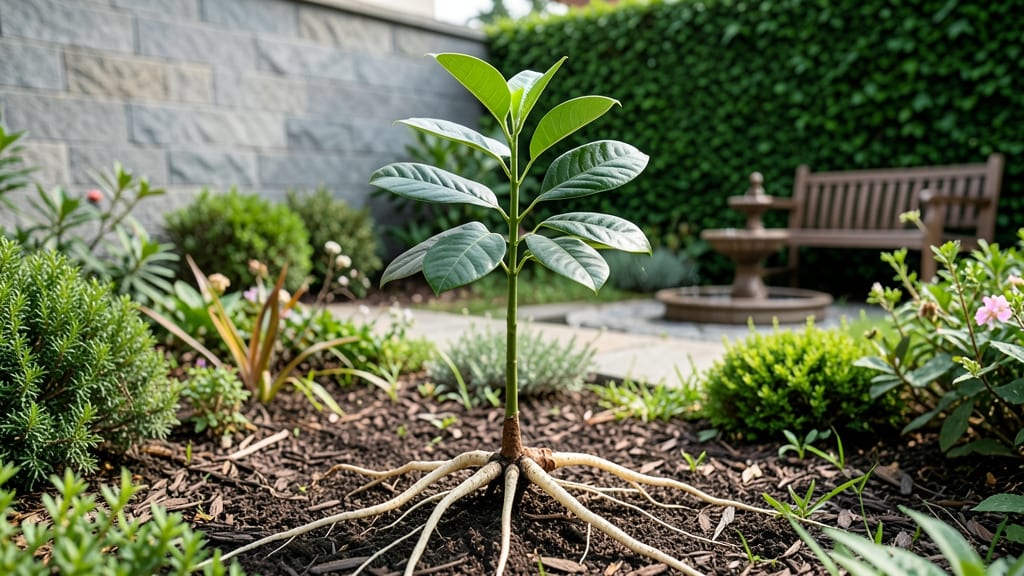
Growing a mango seed into a thriving tropical climber starts with cold-stratified roots—a process that tricks the seed into thinking winter has passed. 🌱 I’ve watched pit seeds sprout after months of dormancy, and the wait is worth every day when those first green leaves appear.
The key isn’t just patience; it’s creating the right conditions to break dormancy without drowning the seed in rot.
You’ll need just three things: a mango pit, damp paper towels, and a plastic bag to mimic the humid, cool environment of its tropical origins. Most seeds take 4-8 weeks to crack open—longer if they’re fresh—but once they do, roots appear faster than you’d expect.
The trick is keeping the moisture even; too much water turns the seed to mush, while too little stalls germination.
When those first roots reach 1-2 inches, it’s time to transplant into soil. Use a well-draining mix (equal parts potting soil and perlite) and keep the pot in bright, indirect light.
Within weeks, you’ll see the seedling stretch toward the sun, proving that tropical climbers can thrive even in cooler climates—with the right care.
This method works for any mango variety, though some seeds take longer than others. The payoff? A tree that could one day bear fruit, all from a single seed. Here’s how to avoid the most common pitfalls and keep your seedling on track.
📚 In This Guide
- What you need
- Instructions
- Tips and common mistakes
- Wrapping up and next steps
What you need
- ● Mango seeds: 3–5 fresh, plump seeds (preferably from a ripe, organic mango). Pro tip: 💡 Avoid seeds from hybrid or grafted mangoes—they may not grow true to type!
- ○ Well-draining potting mix: 1 bag (1–2 cubic feet) of a blend designed for seedlings or cacti/succulents. Optional: Mix in perlite or vermiculite (1 part per 4 parts soil) for extra aeration.
- ● Small pots or seed trays: 3–5 biodegradable pots (3–4 inches in diameter) or a seed tray with individual cells. Why? 🌡️ Biodegradable pots eliminate transplant shock later!
- ● Clear plastic wrap or humidity dome: 1 sheet (for covering seedlings) to retain moisture.
- ● Spray bottle: 1 (for gentle watering).
- ● Permanent growing container or garden bed: A 5-gallon pot (minimum) or a sunny, well-draining garden spot in USDA Zones 10–11 (or a greenhouse for colder climates).
- ● Cold stratification supplies (if indoors): Refrigerator with a crisper drawer (or a cool, dark space like a basement).
- ● Paper towels or damp peat moss (to wrap seeds).
- ● Pruning shears or scissors: For trimming seedling roots during transplanting.
- ● Fertilizer: A balanced, water-soluble fertilizer (5-5-5 or 10-10-10) for when seedlings are 3–4 inches tall.
- ● Trellis or support structure: A bamboo stake, wire cage, or small trellis (for training young vines).
- ● Mulch: Straw or shredded leaves to retain soil moisture and regulate temperature.
- ● pH test kit: To ensure soil pH is between 5.5–7.0 (ideal for mango seed roots).
- ○ Heat mat (optional): For germinating seeds in cooler climates (set to 75–85°F).
Step-by-Step instructions for growing mango seedlings indoors
Here's how I turn a mango pit into a thriving tropical climber—no greenhouse needed.
🌱 Step 1: Extract and Prepare the Seed
Crack open the mango pit carefully with a nutcracker or hammer, then rinse off any remaining fruit pulp. The seed inside is your starting point—handle it gently to avoid damaging the delicate embryo. I like to soak the seed in lukewarm water for 12-24 hours to soften the outer shell slightly, which helps with germination later.
After soaking, pat the seed dry with a paper towel. The goal is to start with a clean, moist (but not soggy) seed ready for planting. If the shell feels too hard, you can lightly sand it with fine-grit sandpaper—just enough to create tiny openings for the root to emerge. Don’t overdo it; you’re not trying to remove the shell, just create a few weak points.
🪴 Step 2: Plant the Seed in a Moist Growing Medium
Fill a small pot—3-4 inches deep—with a well-draining mix of 50% potting soil and 50% perlite or coarse sand. This keeps the roots from sitting in water, which can cause rot. Press the soil down lightly so it’s firm but not compacted. You’re aiming for a texture that holds moisture but still allows air to circulate.
Place the seed horizontally in the soil, about 1 inch deep, with the pointed end facing downward. This mimics how the seed would orient itself in nature. Cover it lightly with soil, leaving the top half exposed. Water gently until the soil feels evenly moist—like a wrung-out sponge. Avoid soaking the pot, as excess water can drown the seed before it even sprouts.
☀️ Step 3: Provide Warmth and Humidity for Germination
Mango seeds need warmth to germinate, ideally 75-85°F. I place the pot in a clear plastic bag or under a humidity dome to trap moisture and heat. If your home runs cooler, set the pot on a seedling heat mat or near a sunny window. You’ll know it’s working when condensation forms inside the bag—this means the environment is humid enough.
Keep the soil consistently moist but not soggy. Check daily and mist lightly if the surface feels dry to the touch. Germination can take 2-6 weeks, so patience is key. Once the first green shoot appears, remove the bag immediately to prevent fungal growth. This is the moment you’ve been waiting for—your tropical climber is officially on its way!
🌿 Step 4: Transplant and Encourage Early Growth
When the seedling reaches 4-6 inches tall and develops its first true leaves (not the initial seed leaves), it’s time to transplant. Choose a slightly larger pot—5-6 inches deep—and use the same well-draining soil mix. Gently loosen the roots before transferring to avoid damaging them. Water thoroughly after transplanting to help the soil settle around the roots.
Place the pot in bright, indirect light for the first week to help it adjust. After that, gradually introduce it to direct sunlight for 4-6 hours daily. Mango seedlings grow slowly at first, but with consistent care, you’ll see new leaves emerge every 2-3 weeks. This is when the real fun begins—your seedling is transforming into a lush, tropical plant!
⏰ Step 5: Cold-Stratify for Stronger Growth (Optional but Recommended)
For a hardier plant, subject the seedling to cold stratification after it’s established. Place the pot in a refrigerator (not freezer) for 2-4 weeks, keeping the soil lightly moist. This mimics winter conditions and helps the plant develop resilience. After stratification, return it to warm conditions and watch as it grows stronger and more robust.
Once your mango seedling is 12-18 inches tall and has a sturdy stem, you can start training it to climb. Use a small trellis or stake and gently tie the main stem to guide its growth upward. With patience and care, your tropical climber will reward you with fragrant leaves—and maybe even flowers—years down the road.
Tips & tricks for growing mango seed roots
Here's what nobody tells you about turning that mango pit into a thriving houseplant.
Soaking Secret: That 12-24 hour soak isn't just about softening the shell—it's also about breaking the seed's natural dormancy. I've found that using lukewarm water (around 70°F) works better than cold water, as it mimics tropical conditions. Pro tip: If your tap water is chlorinated, let it sit out overnight before using it for soaking. The chlorine can inhibit germination.
Planting Position: When planting horizontally in Step 2, think of the seed like a clock—place it with the pointed end down (like 6 o'clock) and the flat side facing left or right. This orientation gives the root the best chance to emerge downward. I've tried vertical planting, but it often results in crooked growth. The 1-inch depth is crucial too—any deeper and the seed might suffocate, any shallower and it won't have enough support.
Germination Environment: The 75-85°F range is ideal, but don't stress if your home runs cooler. I've had success using a simple DIY heat mat made from a heating pad wrapped in a towel. Just monitor the soil temperature with a small thermometer—you want to stay above 65°F at all times. That plastic bag isn't just for humidity; it creates a microclimate that maintains consistent warmth and moisture levels.
Transplanting Timing: Wait for those first true leaves (not the initial seed leaves) to appear before transplanting in Step 4. I've made the mistake of rushing this process, and the seedlings often go into shock. When you do transplant, handle the roots like you would a baby bird—gently but firmly. The 4-6 inch height guideline is a good rule of thumb, but if your seedling looks healthy and has strong stems, it might be ready sooner. Trust your eyes more than the ruler.
Pro Tips for Mango Seed Root
- Here's what nobody tells you about turning that mango pit into a thriving houseplant.
- Soaking Secret: That 12-24 hour soak isn't just about softening the shell—it's also about breaking the seed's natural dormancy.
- Planting Position: When planting horizontally in Step 2, think of the seed like a clock—place it with the pointed end down (like 6 o'clock) and the flat side facing left or right.
Frequently asked questions
Got questions about growing mango seed roots? You’re not alone—this tropical climber can be tricky! Here are answers to the most common queries to help you succeed.
How long does it take for a mango seed to sprout?
A mango seed typically sprouts within 2–4 weeks if kept warm (70–85°F) and moist. Cold-stratification (chilling) may delay germination by 1–2 weeks, but it’s key for breaking dormancy. Patience is key—some seeds take up to 6 weeks!
Why do I need to cold-stratify the seed?
Cold-stratification mimics winter conditions, breaking seed dormancy and boosting germination rates. Without it, seeds may rot or stay dormant. For tropical mango seeds, 6–8 weeks in the fridge (not freezing!) works best. Think of it as a "wake-up call" for your seed!
Can I grow a mango tree from a store-bought seed?
Yes! Store-bought mango seeds will grow, but the tree may not produce fruit true to the parent variety. For edible fruit, try seeds from organic, heirloom, or grafted trees. If you’re just experimenting, grocery-store seeds are a fun (and free!) starting point!
What do I do if my seed rots or mold grows?
If your seed turns mushy or fuzzy with mold, act fast! Remove it, sterilize your container with hydrogen peroxide (3%), and use fresh, dry potting mix. Overwatering or poor drainage are usually the culprits. Let the soil dry slightly between waterings—moist, not soggy!
Can I grow a mango seed root indoors?
Mango seed roots thrive indoors in bright, indirect light (a south-facing window or grow light). Keep temps above 60°F and transplant to a pot with drainage once sprouts emerge. Just be patient—it’ll need 3–5 years to mature enough for outdoor planting!
Wrapping up and next steps
Growing mango seed root from a cold-stratified seed is a rewarding journey that brings a taste of the tropics to your garden—even in cooler climates! 🌱 With patience, the right materials, and a little care, you’ll soon be nurturing a thriving plant that may one day bear fruit. Now’s your chance to take the next step: grab those seeds, follow the steps, and watch your green thumb shine!
💡 Pro Tip: Document your progress with photos—it’s a fun way to track growth and share your success with fellow plant enthusiasts!